

Top brands for composite decks
For years, wood was the deck material of choice across Sacramento and much of the country. Pressure-treated boards filled backyards, and every spring meant days spent scraping, sanding, and staining. It was simply what everyone did. But things started to change. Homeowners began to wonder what are the Top brands for composite decks.
That’s when composite decking entered the picture. In the 1990s, these new boards barely made a dent in the market. Today, they’re everywhere. More than half of new decks in the U.S. now use composite or synthetic materials. People want decks that stay attractive and safe, without the hassle of constant repairs. Manufacturers have responded with boards that look and feel like real wood, but don’t split or rot. If you’ve ever dealt with warped boards or endless staining, it’s easy to see why composites have surged in popularity.
But choosing composite instead of wood is only the beginning. The bigger decision is which brand to trust. Not all composite boards meet the same standards, and the deck you build will be part of your home for years. It’s important to know what sets top brands apart – how they’re made, what warranties they offer, and why some stand out in tough climates. This guide will walk you through why composite decks have won over so many homeowners, and highlight the brands that are worth your attention. Whether you want a cozy backyard retreat or a deck that can stand up to harsh weather, picking the right brand matters.
Why Homeowners Prefer Composite Decks
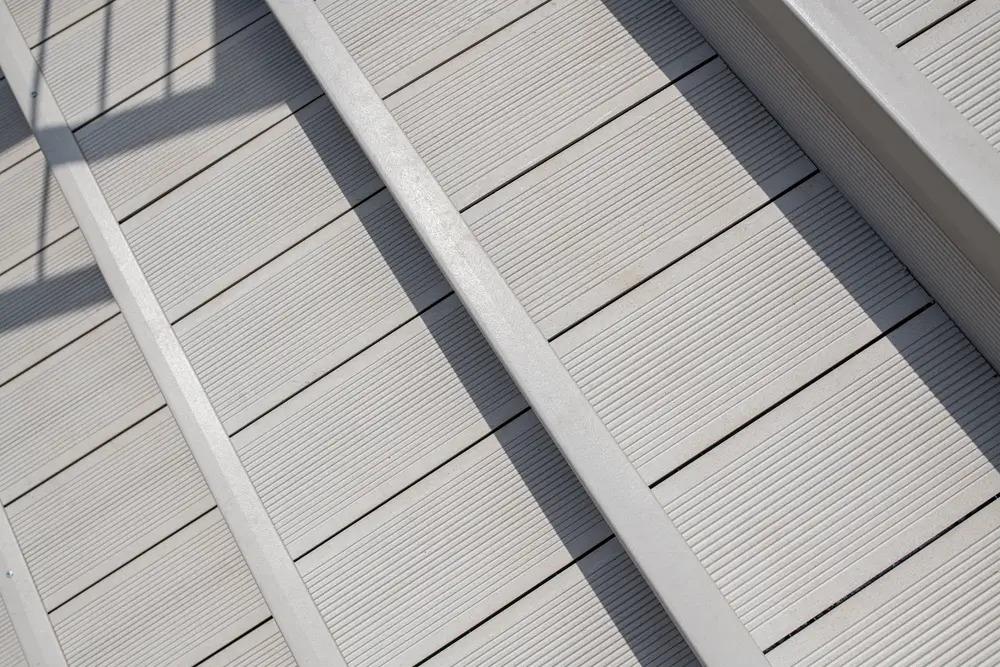
Across California and beyond, more families are swapping old wood decks for composite options. It’s easy to see why. Many homeowners are tired of the annual chores: power washing, sanding, staining, and sealing, only to watch the boards turn gray and splinter by next summer. Composite decking changes this routine. These boards don’t splinter or warp, and cleaning usually means nothing more than a simple rinse. I remember a family in Concord who made the switch after too many summers worrying about splinters in their kids’ feet. Their new deck stayed smooth through years of backyard parties and heavy use.
Top brands for composite decks also stand out for their long life. They’re built to handle harsh weather, whether that means rain, snow, or intense sun. Unlike wood, composite won’t rot, attract mold, or give insects a place to nest. I’ve worked on projects where the owners wanted a deck to last for decades. Composite fits that need. These boards are much less likely to crack or fade, so your investment keeps its value over the years. If you ever decide to sell, a low-maintenance deck can be a big attraction for buyers who want a beautiful yard without extra work.
Sustainability is another key reason people choose composite. Leading brands use a high percentage of recycled materials, such as old plastic bags and reclaimed wood fibers. This approach keeps waste out of landfills and reduces the need for cutting down new trees. Many homeowners want to reduce their environmental impact, and composite decking makes that possible. Plus, today’s boards look remarkably realistic. Textures and colors now closely mimic real wood. You get the classic look you want, but without the long list of chores. Composite decking offers lasting comfort, value, and peace of mind for busy families and anyone who wants to enjoy their backyard more.
How top brands for composite decks Evolved
Composite decking has changed dramatically since the first boards appeared in the 1990s. Early versions mixed wood fibers with plastic. Many homeowners hoped for a maintenance-free deck but quickly noticed problems. Boards often faded in the sun, collected surface mold, and sometimes became chalky or brittle. These first generation products didn’t always live up to expectations, and some people missed the familiar feel of pressure-treated wood.
Improvements came fast. In the early 2000s, manufacturers introduced boards with wood grain patterns and deeper, richer colors. These looked much more like natural wood. PVC and pure polymer boards soon followed, offering better resistance to moisture and insect damage. The next big step was capping. Manufacturers began wrapping boards in a tough outer layer of polymer. This made the boards resist stains and fading, and they could handle harsh weather much better than before.
“The introduction of fully capped composites was a game-changer. It set a new standard for both appearance and longevity,” said a supplier I trust, who has decades of experience in the decking industry.
Today’s leading brands keep pushing for more realistic wood colors and grain textures. New surface technology helps decks resist fading and scratches. Compared to the old boards, modern composite decking looks better, lasts longer, and handles tough conditions with ease.
Comparing Composite Decking Brands
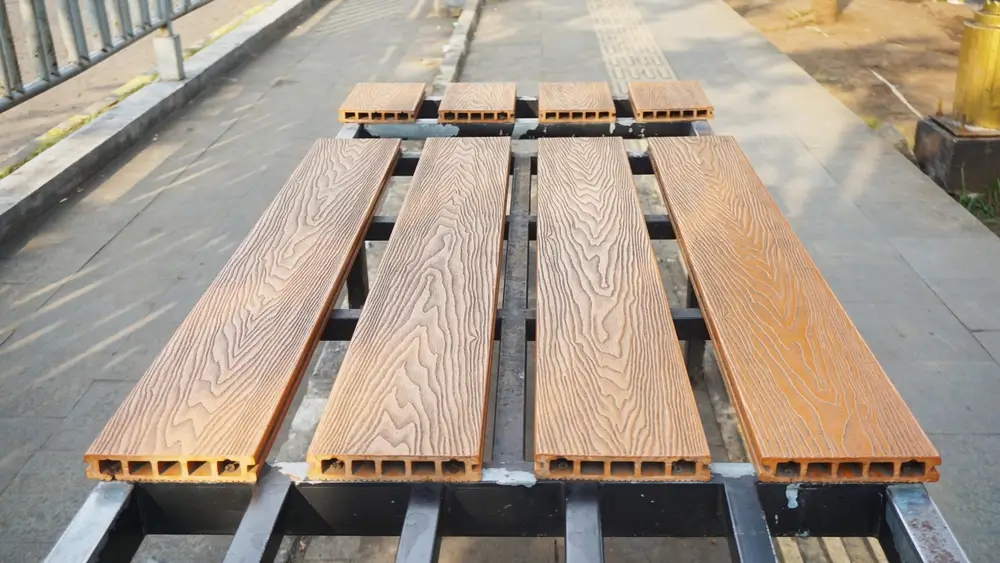
After years of working with decks in Sacramento, I’ve seen how different composite brands stand up to real-life use. It’s easy to get caught up in looks, but performance matters just as much. The right brand should match your climate, lifestyle, and expectations for long-term value.
Before you settle on a composite decking brand, keep these factors in mind:
- Value and Cost: Find an option that matches your budget, but also delivers on durability and appearance.
- Lifespan: Some boards look great for decades; others may show fading or scratches much sooner.
- Moisture Resistance: Homes near lakes or in damp climates need boards that resist swelling and mold.
- Ease of Installation: Some brands offer faster, simpler installs. This can save time and labor costs.
- Maintenance Needs: All composites are lower maintenance than wood, but some require even less upkeep than others.
- Heat Retention: Darker colors can get hot in the sun. Some brands use technology to keep boards cooler on bare feet.
- Sustainability: Recycled content and eco-friendly processes vary by brand. Look for certifications or details if this is a priority.
- Color and Wood Grain Options: Some brands mimic natural wood more convincingly than others. Check samples in person if possible.
- Warranty Coverage: Review the length and scope of each warranty, including whether it’s transferable if you sell your home.
Overlooking any of these points can lead to regrets down the road. For example, some homeowners find their boards fade much sooner than expected, or struggle with swelling after heavy rain. Always check the fine print and read reviews from people in your local area. For a deeper dive into these factors, take a look at this helpful guide from Sierra Deck Builders on best deck materials and how to choose the right one.
Your deck is a long-term investment. The brand you choose can make the difference between years of hassle-free enjoyment or unexpected issues. Spend a little extra time comparing options now to avoid disappointment later.
Moisture Resistance and Board Construction
In places with heavy rain, snow, or humidity, moisture is a constant challenge for decks. The way composite boards are built makes a big difference in how well they keep water out. Capped, uncapped, and solid-core boards all handle moisture in their own way, and it’s important to know what sets them apart before you choose a brand.
Uncapped boards were the first generation of composites. They mix wood fibers and plastic, but don’t have a protective shell. Water can seep in, especially at the ends or if the surface gets scratched. Over time, this leads to swelling, warping, and mold. Capped boards have a tough outer layer, usually on three or even all four sides. This layer blocks water, even if the board is cut. Full coverage is best for wet climates. Solid-core boards, like those from MoistureShield, are made so that water can’t get in at all. This is why some brands say their boards are good for ground contact or even underwater use. If you have a deck near a lake or you know your backyard gets soggy, solid-core or fully capped boards are the safest bet.
Picture a backyard where spring rains are frequent and snow builds up through winter. If you use uncapped boards, they may soak up water, become soft, and grow mold. With fully capped or solid-core decking, water stays on the surface and drains away. The boards keep their shape and color, even after a long, wet season. For anyone living in a damp climate, moisture resistance should be at the top of your requirements when choosing composite decking. It protects your investment and keeps your deck looking its best, year after year.
All About Warranties
Warranties play a big role in protecting your investment in composite decking. There are two main types to know: structural coverage and fade or stain coverage. Structural warranties protect against issues like board integrity, rot, splitting, or insect damage. Fade and stain warranties focus on keeping your deck looking good, guarding against sun damage and accidental spills.
Most composite decking brands offer structural warranties that last 25 to 50 years. Some even go further, with lifetime coverage on the structure. Fade and stain warranties tend to last around 25 to 30 years. One detail that matters a lot is whether the warranty is transferable. If you might sell your home in the future, being able to pass the warranty to the next owner can make your property more attractive.
It’s important to look beyond the warranty paperwork. Brands with a long history and a record of honoring claims are more likely to stand behind their promises. Some decks may come with impressive paperwork, but if the company doesn’t follow through, you could be left disappointed. As discussed earlier in the comparison checklist, always check the brand’s reputation and real-world performance, not just the terms on the page. That’s what truly protects your deck for years to come.
Managing Heat and Comfort
Warm summer days can make any deck feel like an oven, especially if it sits in direct sunlight. Many homeowners are surprised at how hot composite decks can get. I’ve had to do the quickstep across dark boards more than once. Unlike natural wood, composite decking is dense and absorbs heat quickly. If you choose a dark color, the surface temperature can rise fast. A deep brown or black board in full sun often leads to hot feet and a search for your flip-flops.
Manufacturers have been working on ways to make decks more comfortable in hot weather. Most brands now offer lighter colors that reflect more sunlight. Some even use special technology to help cool the deck surface. TimberTech and MoistureShield both feature products called “CoolDeck” technology, which can reduce surface temperatures by up to 35%. While these features help, color choice is still the biggest factor. Here’s a simple tip for anyone building a deck in a sunny spot:
If your deck gets more than five hours of direct sunlight, stick with lighter colors. It can keep the surface cooler and make barefoot days much more pleasant.
Sustainability in Decking Choices
Every spring, friends and clients ask me: Is composite decking really better for the environment than wood? It’s a fair question. Many people want to avoid waste and make choices that matter. Composite decking brands have made big improvements in using recycled materials. Most leading brands combine recycled plastics with reclaimed wood fibers in their boards. Trex is one example. Their products contain up to 95% recycled content, including items like grocery bags, shrink wrap, and leftover sawdust. This approach keeps a lot of material out of landfills.
Composites are not without drawbacks. Manufacturing does use energy, and plastics are still part of the mix. But compare this to traditional pressure-treated wood. Wood decks often get replaced every 10–15 years and need yearly coatings with oil-based stains or sealers. Composite decks keep going for decades. They rarely need harsh chemicals, and they help reduce landfill waste. For anyone looking to shrink their project’s environmental impact and still enjoy their backyard, composite decking stands out as a smart, long-term choice.
Top Composite Decking Brands for 2025
Choosing the right composite decking brand can make a big difference in how your deck looks and lasts. Over years of deck building, I’ve seen how different brands perform in every season and setting. For 2025, these six brands stand out for quality, reliability, and unique features. Each one offers something a little different, so you can find the perfect fit for your home and lifestyle.
TimberTech
TimberTech is known for boards that look remarkably close to real wood. Their capped composite and PVC options come in a range of colors and grain patterns. The EDGE line is great for budget projects, while the AZEK collection offers top-tier PVC performance. TimberTech’s warranties last 30 to 50 years, depending on the product, and their boards handle tough climates well. If you want lots of choices and a deck that keeps its color and texture over time, TimberTech is a strong option.
Trex
Trex is a household name in composite decking. They use up to 95% recycled materials in their boards, making them a leader in eco-friendly decking. Trex has several lines for different budgets, including Select, Enhance, and Transcend. Their boards have become more realistic over time, with better color options and surface textures. Fade and stain warranties run for 25 years. Trex boards hold up well to busy families, pets, and harsh weather. Their online tools and planning guides are helpful if you want to explore costs and options before you buy.
Fiberon
Fiberon appeals to homeowners who want a lot of variety without a steep learning curve. They sell both composite and high-performance PVC boards, and their hidden fastener systems create a clean, sleek look. The surfaces resist moisture, making them a good choice for shady yards or pool areas. Popular lines like Symmetry and Concordia mimic natural wood, while the Sanctuary line is more budget-friendly. Fiberon offers one of the widest color ranges, with everything from subtle neutrals to rich, deep shades.
Owens Corning WEARDECK™
WEARDECK™ stands out for its fiberglass-reinforced boards. These are built to handle heavy loads and tough conditions, making them ideal for projects near water, like docks or marinas. The boards are waterproof, UV-resistant, and stay cooler in the sun than most composites. They come with a lifetime warranty, which reflects their ability to handle harsh settings. If you need something extra strong for a challenging location, WEARDECK™ is a solid pick.
Wolf Decking
Wolf Decking is a top choice for areas with a lot of sun or humidity. Their capped PVC and composite boards resist fading, moisture, and warping. Wolf Serenity, their PVC line, performs well in extreme climates and still looks good after years of exposure. The color selection is classic, with a few bold options for homeowners who want a standout look. Wolf’s warranties add peace of mind, especially for decks built in places where the weather can be harsh.
MoistureShield
MoistureShield is the go-to for decks built on or near the ground, by the pool, or even over water. Their boards use solid-core technology, which fully protects the wood fibers from moisture. This means less risk of warping or mold, even in wet locations. MoistureShield products, like the Vision and Elevate lines, use a high amount of recycled material. They’re approved for ground and water contact and backed by a 50-year structural warranty. These boards are a great choice for tough climates and eco-conscious homeowners.
Best Composite Decks by Category
Choosing a composite deck brand can feel overwhelming. Each company promises something different. To simplify things, here’s a breakdown of the top composite decking brands, grouped by the qualities homeowners ask about most. These picks are based on real-world results and customer feedback from seasons of deck building in tough New England conditions.
- Most Premium: TimberTech’s AZEK PVC line offers the most realistic wood look, cooler boards underfoot, and top-level fade and stain protection. This is the choice for making a statement and keeping maintenance low.
- Best Mid-Tier: Fiberon’s composite collections balance price, style, and color options. The hidden fastener system is a favorite for a clean finish without breaking the bank.
- Best Budget: Trex Select gives homeowners reliable performance, strong warranty coverage, and a good range of colors at an affordable price point. It’s a smart pick for value without sacrificing durability.
- Best for Moisture Resistance: Owens Corning WEARDECK™ stands out for decks near water, on damp soil, or in humid climates. The fiberglass-reinforced boards resist swelling, rot, and mold in wet areas.
- Best for Fade/Scratch Resistance: Wolf Decking’s high-end PVC lines are made to handle full sun and heavy foot traffic. Their UV protection helps boards stay bright and scratch-free longer.
No single deck brand is right for everyone. Each option above has a unique strength. Focus on the features that matter most to your project, whether it’s appearance, weather resistance, or affordability. For more details, revisit the earlier brand summaries and compare them to your priorities before making a final choice.
Choosing and Avoiding Mistakes
Choosing composite decking is a lot like planning a backyard gathering. It should be simple and leave you happy with the results. Many people run into problems by getting fixated on one feature, usually the lowest price, and miss out on what really matters. Over the years, I’ve seen how skipping a step can lead to headaches later.
- Think about your environment. Consider your local weather and where your deck will be placed. For example, in rainy or snowy areas, moisture resistance is vital. Decks near water or built over concrete need extra attention to this detail.
- List your priorities. Write down what matters most to you: easy cleaning, color choices, eco-friendly materials, or how the boards feel under bare feet. This makes it easier to narrow down your options.
- Compare brands by features. Don’t just look at price. Check the details like warranty length, board construction, color quality, and installation method. The brand comparison checklist earlier in this guide can help you spot the differences that really count over time.
- Consider the installation process. Some boards need unique fasteners or special tools. If you’re hiring a contractor, make sure they’ve worked with your chosen brand before. The wrong fasteners or poor installation can lead to early problems.
- Look at warranty and reputation. Warranties may last 25 years or more, but a company’s history is just as important. Brands with good track records and real-world performance are safer bets.
What mistakes crop up most? Focusing only on upfront price, forgetting how hot dark boards can get in strong sun, or skipping research about moisture protection for ground-level decks. I’ve met homeowners who picked the cheapest option and ended up replacing boards after one tough winter. Copying a neighbor’s choice without considering your own conditions can also lead to trouble.
In the end, pick a brand that matches your project’s needs. Take your time with the process. That way, your deck will look great, last for years, and you’ll spend more time relaxing outside instead of fixing problems that could have been avoided.
