

Deck permit Sacramento
If you’re planning to build a deck in Sacramento, you’re probably wondering why a simple backyard project comes with so many rules. Many homeowners get caught off guard by permit requirements. Stories from neighbors are often conflicting, and building codes can change without warning. You might think adding a deck is as simple as picking out materials, but the city’s regulations catch a lot of people by surprise. The process feels overwhelming, especially when all you want is a place to relax or host friends.
Skipping the permit can seem tempting, but it’s a risk that rarely pays off. Fines for unpermitted decks are common. Sometimes the city will require you to remove a perfectly good deck, no matter how well it’s built. If you try to sell your home, that deck could create problems with buyers or cause delays during escrow. Insurance companies also look for proper permits, and may deny coverage for unapproved structures. The extra paperwork may seem frustrating, but it protects you from much bigger headaches later on.
Permits exist to keep your project safe, legal, and valuable. They protect you, your family, and your investment. This article will guide you through every part of the Sacramento deck permit process. We’ll cover when you need one, how to apply, what plans to submit, and what happens during inspections. With a clear understanding of the steps, you’ll know what to expect – and you’ll be ready to build your deck with confidence, not worry.
Do You Need a Permit to Build a Deck
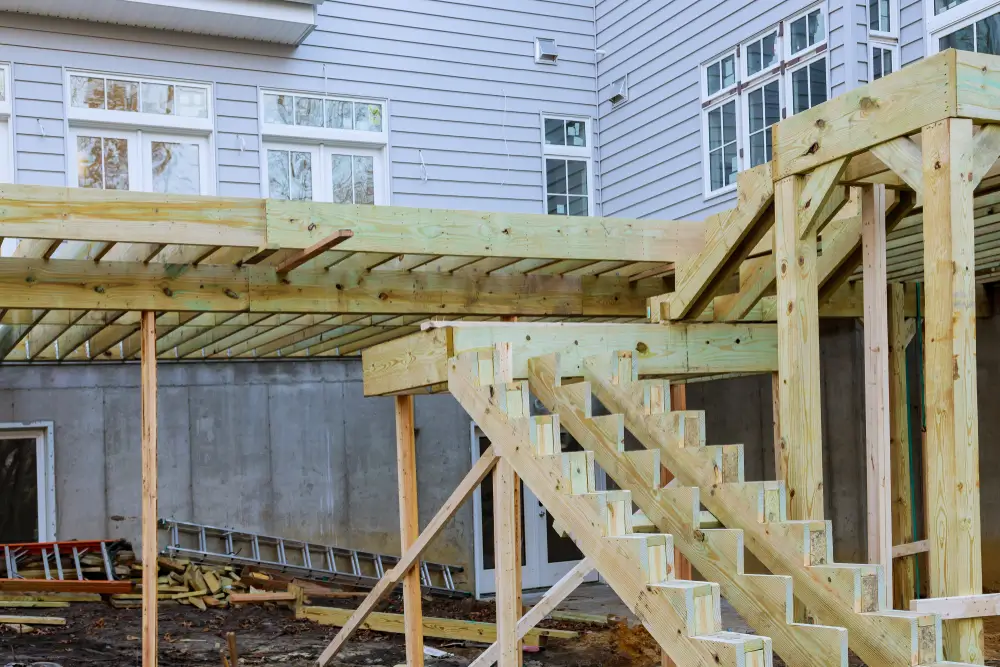
Many Sacramento homeowners are surprised to learn that building a backyard deck usually means getting a permit from the city. When people think of permits, they often imagine huge construction jobs, not something as simple as a backyard platform. But the city treats almost every deck as a real structural change to your home. Even a basic 10×10 deck, sitting just a foot above the ground, will probably need approval before you start digging holes or buying lumber.
Deck projects are closely watched for a good reason. A deck must safely hold the weight of people, furniture, and even withstand earthquakes. Safety is a top concern in California. That’s why even smaller decks need to meet specific requirements. Two main sets of rules guide these projects. The building code focuses on safety: how the deck is built, its railings, stairs, and the way it’s attached. The zoning code deals with where your deck can go, how high it can be, and how close it sits to property lines. Both codes matter, and either one can mean you need a permit.
This catches many people by surprise. For example, one Sacramento homeowner started building a low deck – less than two feet off the ground – thinking it was too small to need any paperwork. A neighbor called the city, and an inspector showed up. Because the deck led straight from the back door, it counted as an exit and needed a permit. The project was stopped until everything was sorted out. The takeaway is simple: always check before you start. In Sacramento, most decks need permits, no matter the size. A quick call to the building department can save you a lot of trouble later.
When a Deck Permit Is Required
Deck permits in Sacramento apply to far more projects than most homeowners realize. Many people think small or simple decks will fly under the radar, but city rules are strict. Even a basic platform can trigger permit requirements for safety and zoning reasons.
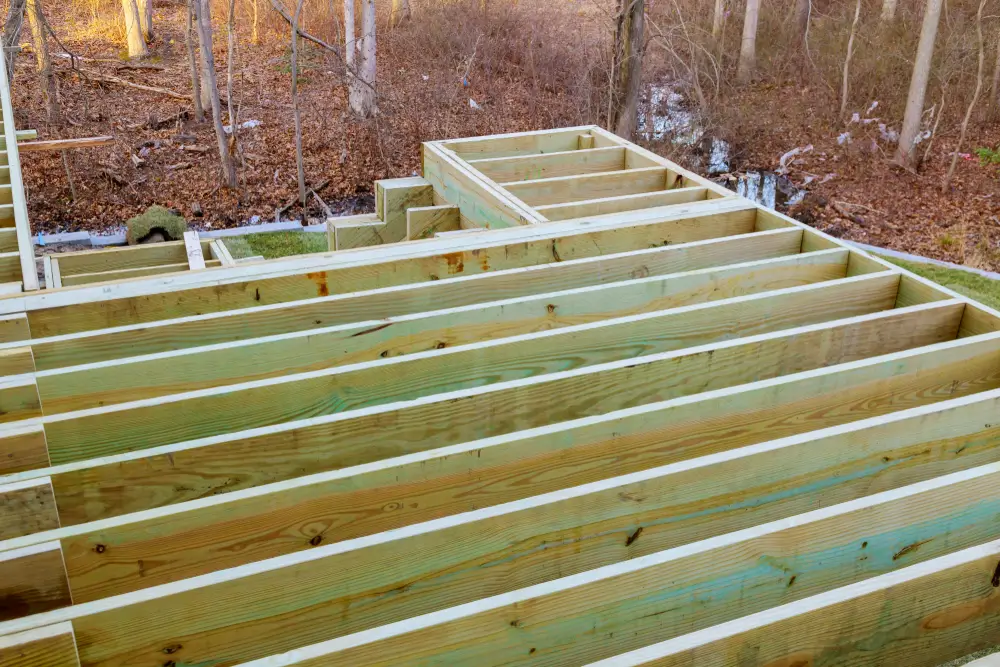
Here’s when you almost always need a permit:
- Attached decks: Any deck connected to your house always requires a permit.
- Height: If your deck is over 30 inches above the ground, you need a permit, no matter its size.
- Size: In most of Sacramento, decks larger than 120 square feet (for example, 10×12 feet) require a permit.
- Stairs, roofs, or utilities: Adding stairs, a roof cover, electrical wiring, or gas lines all mean a permit is needed.
- Serving a door or exit: If your deck is used as a landing for a door or emergency exit, it must be permitted.
- Special hazard zones: Building near flood zones, wildfire areas, or on a hillside? The city will want to review your plans for extra safety.
Keep in mind, these are just the most common situations. Older neighborhoods, sloped yards, or properties near easements may have extra requirements. Even a small change in height or location can bring your project under permit rules. Always check with the Sacramento Building Department before you start. It’s easier to ask first than to deal with city corrections later.
When a Deck May Not Require a Permit
Some deck projects in Sacramento don’t always need a permit. If your deck is freestanding and lower than 30 inches from the ground, you may not have to deal with city paperwork. This is because low decks are seen as less of a safety issue if someone falls. Small decks — usually under 120 square feet — can also sometimes avoid permit requirements. If you’re adding a simple platform in your yard that isn’t attached to your home, you might be in the clear. Still, even small differences in size or height can change the rules.
When in doubt, always check with your local building office before starting work.
There’s a catch. What works in Sacramento might not be true in Roseville, Elk Grove, or Citrus Heights. Some cities are much stricter about setbacks, fire safety, or even decorative rules set by neighborhood associations. I’ve heard from homeowners who thought they were safe, but found out halfway through building that a permit was actually needed. It’s always worth double-checking. A quick call or email to your city’s building department can save a lot of trouble down the road. It’s much easier to ask first than to fix problems later.
Replacing or Modifying Your Existing Deck
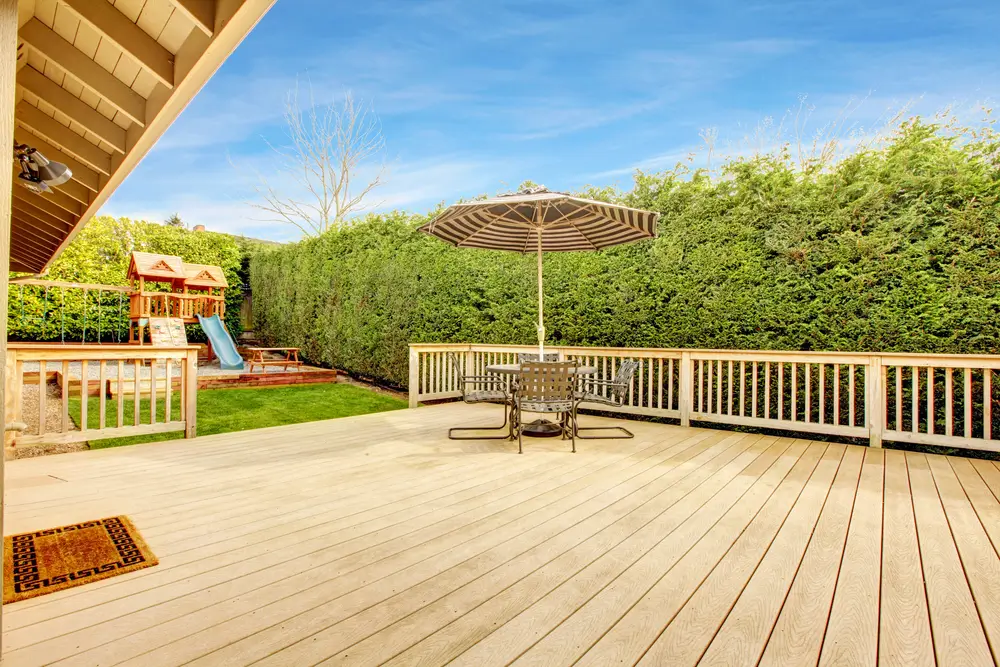
Many homeowners are surprised to learn that replacing or altering an existing deck in Sacramento almost always means you need a permit. Swapping old boards, extending the deck, or rebuilding often gets treated like brand new construction. The reason? Building codes change. What passed inspection years ago could be against today’s safety requirements. Setback rules may have shifted, or maybe your original deck was built before earthquake standards were stricter.
Trying to rebuild in the exact same spot can also cause trouble. If your old deck was close to a property line or fence, you might not be allowed to keep it there now. Some people attempt a “like-for-like” replacement, thinking no one will notice. But city inspectors often find out, especially if a neighbor reports it or an insurance inspection uncovers the work.
Doing repairs or upgrades without a permit comes with big risks. No one checks your framing, footings, or hardware for safety. This can lead to serious problems, especially if you sell your home or need to make an insurance claim after a storm. Unpermitted projects are often discovered at the worst time. City enforcement is much more effective today. Even satellite photos can alert officials to changes on your property. In the end, a permit is more than paperwork. It protects your investment and helps avoid headaches down the road.
Consequences of Building Without a Deck Permit
Thinking about building a deck in Sacramento without a permit? Many homeowners do. It might feel like you can put up a few boards and posts without anyone noticing. But skipping the permit process usually leads to problems and unexpected expenses. I’ve seen homeowners try to finish a deck quickly, only to run into trouble soon after.

The first issue comes fast: stop-work orders. Imagine you start building, and a neighbor calls the city. Suddenly, a bright notice appears on your door, and you have to stop everything. Fines can add up each day you keep working without approval. For example, a family in Carmichael thought their small deck would go unnoticed. It didn’t. They paid more in penalties than the permit would have cost and had to remove part of their deck to pass inspection. In some cases, the city can require you to tear down the whole deck if it doesn’t meet building codes. That’s a lot of wasted time and money.
There are also long-term problems. If you ever need to file an insurance claim for damage or injury, your insurance company might deny coverage for an unpermitted deck. When you try to sell your home, buyers and inspectors often spot unapproved work right away. Sales can fall through, or you may need to scramble to fix the issue at the last minute. Sacramento and nearby cities use satellite photos, permit records, and even drive-by checks to find unpermitted decks. Trying to hide a deck from the city is risky and rarely works. Getting a permit from the start is much easier than dealing with these headaches later. Following the rules protects your investment and gives you peace of mind.
Why Deck Permits Matter
Deck permits often feel like yet another hurdle for Sacramento homeowners. It’s easy to wonder if all the forms and inspections are really necessary. But after years of seeing poorly built decks, I know these rules exist for a reason. Permits help make sure your deck is safe. The inspection process checks for solid construction, secure railings, and proper footings. It’s about stopping problems before someone gets hurt, whether that means preventing a fall from a loose stair or stopping a deck collapse during a birthday party.
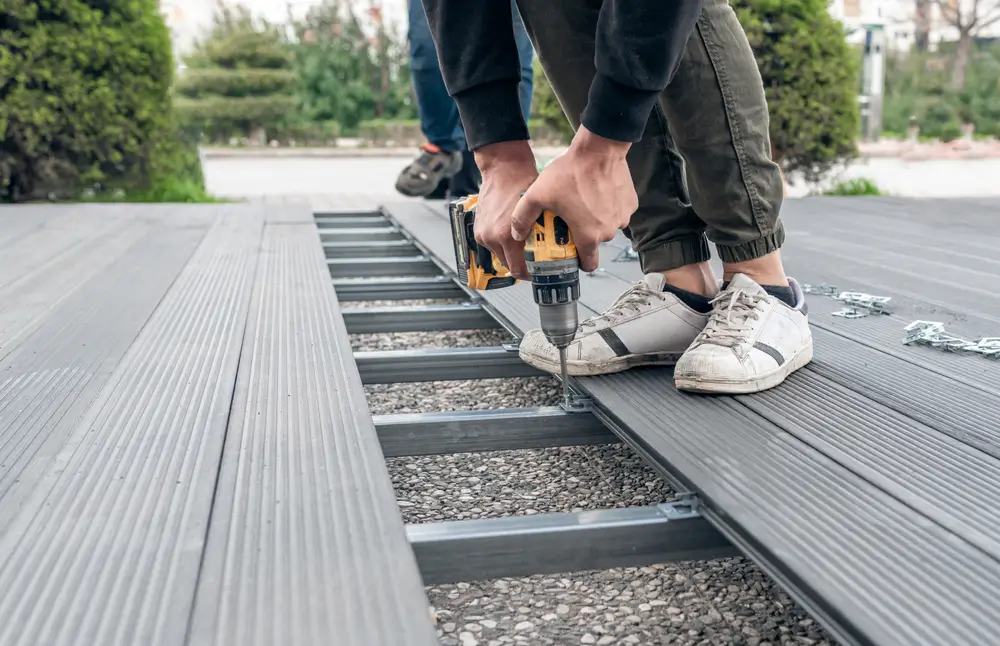
Permits do more than just keep your deck safe. Sacramento has specific rules to protect homes from fire and earthquake risks. The city code covers how decks connect to your house, what materials you can use, and how close you can build to property lines or utility areas. Ignoring these rules can cause big problems later. You might run into trouble selling your home, or face issues with your insurance company if something goes wrong. I’ve met homeowners who had to pay twice – once to build, then again to fix mistakes. In the end, permits help protect your family, your property, and your investment. A little extra effort now can save a lot of headaches later.
City and County Permit Differences
Deck permit rules can change as soon as you cross a city or county line. Sacramento city has its own set of requirements. The unincorporated parts of Sacramento County follow different rules, even if your address still says Sacramento. Add neighboring cities like Roseville or Citrus Heights, and the rules can get even more confusing. It’s common for neighbors on the same street to deal with separate building departments. One might get fast approval, while another faces extra forms or setback requirements. If you’re not careful, it’s easy to get tripped up.
Before you fill out any paperwork, figure out which office will review your plans. Use this quick checklist to avoid permit headaches:
- Check your property tax bill or the county assessor’s website to see if your property is in the city or county.
- If you live in a gated community, condo, or newer development, ask if there’s a Homeowners Association (HOA) or an architectural review board. These groups can enforce stricter rules than the city or county.
- Look up your address on your city or county website to find the right building department.
- If you’re still not sure, call the building office. A quick phone call can clear up any confusion.
Rules and permit requirements can change quickly, even within the same area. Don’t forget about HOA approvals. Some homeowners get city approval, only to have the HOA ask for last-minute design changes. Always double-check before you start your deck project.
Zoning Rules That Affect Decks
Most homeowners don’t think about zoning until a city official brings up “setbacks.” Imagine spending hours measuring and planning, only to find out your new deck is too close to your property line. In Sacramento, zoning rules for decks are different from building codes. Zoning decides where you can build, how high your deck can be, and how much of your yard you can use for construction.
For example, many Sacramento neighborhoods require decks to stay at least 5 to 10 feet from rear and side property lines. If your house is on a corner lot, there are usually extra rules to keep sidewalks clear and protect neighbors’ views. Some neighborhoods also set limits on deck height, especially if your deck faces another house or bedroom window nearby.
There are other rules to watch for. Lot coverage rules tell you how much of your backyard can be covered by structures. Easements may block construction over utility lines or drainage areas. Overlapping a public utility easement can hold up your project for months. Zoning and building codes are separate, so even a strong, safe deck can be rejected if it’s in the wrong spot. Always check your city’s zoning map and talk to the planning department before you finalize your design. Doing this early can help you avoid major problems later and makes the permit process much smoother.
Special Permit Considerations
Some properties in Sacramento and nearby areas come with extra rules. If your home is in a wildfire hazard zone, hillside, historic district, or sits on tricky soil, you can expect more steps and paperwork for your deck permit. For example, homeowners in wildfire-prone neighborhoods like Folsom or El Dorado Hills often need to use ignition-resistant materials. Plans may need to show defensible space around the deck. There are times when approval from the local fire department is required before you can move forward.
Building on hillsides or in areas with unstable soil, such as Granite Bay or Fair Oaks, usually means you’ll need an engineer’s report and deeper, stronger footings. Historic districts may require you to match specific styles or materials so the new deck fits the look of the neighborhood. If you’re close to a floodplain or waterway, you’ll need to show your deck won’t cause drainage or flooding issues. These special zones often mean more drawings, extra reviews, and longer wait times. It’s smart to check early with the building department or a local contractor. They can help you figure out if your property has extra requirements before you start planning your deck.
Documents Needed for a Deck Permit

Getting your paperwork together is one of the first steps toward a legal deck in Sacramento. The building department checks every document before approving your project. Missing information can hold up your plans or even get your application rejected.
- Permit Application Form: This includes your address, project details, and who will be doing the work.
- Site or Plot Plan: A scaled drawing that shows where the deck sits compared to your house and property lines. Clear plans help speed up approval.
- Construction Drawings: Detailed plans showing framing, footings, stairs, attachments, and other structural details. Even if you use a pre-made kit, you need to show how it will be built.
- Material Specifications: A list of all lumber, fasteners, hardware, and special materials. This proves your deck will handle Sacramento’s weather.
- Contractor License Info: If you hire a contractor, include their license number and proof of their credentials. If you build the deck yourself, you may need to sign a statement confirming you are the homeowner and will comply with local rules.
Collecting these documents now makes the whole process much smoother. Inspectors notice when paperwork is complete. It’s much easier to prepare everything ahead of time than to scramble for missing information during review.
What to Show in Your Deck Plans
Site Plan and Setbacks
Before a city inspector reviews your construction details, they want to see where your deck sits on your property. Your site plan should clearly outline your house, property lines, and the deck’s location. Think of it as a map from above showing how everything fits together. In Sacramento, setbacks are important. Most decks must stay a certain distance from fences, utility easements, and neighboring yards. Even a small mistake, like a corner of your deck being too close to a boundary, can stall your permit for weeks.
Measure all distances carefully. Mark how far your deck sits from each property line, nearby buildings, and any features like easements or utility poles. The permit office checks these measurements to make sure you’re following the local rules. Getting this part right helps your project move forward smoothly.
Framing and Structural Details
The city also wants to know how your deck will be built. Your plans should show the size and location of all footings, beams, and joists. If the deck will attach to your house, include details about the ledger board and the fasteners. List any hardware, such as bolts, hangers, and brackets, and show how posts will connect to the footings. Missing hardware details is a common reason plans get sent back.
If your project includes anything out of the ordinary, add detail drawings to explain it. Clear, complete framing plans make inspections easier and prevent delays. Extra detail now means fewer questions later.
Stairs, Rails, and Materials
If your deck includes stairs, ramps, or guardrails, your plans need to show precise details. Indicate the rise and run for each step. Show the height and spacing for pickets and handrails. Even if you’re aiming for a modern style, the city still requires clear information about gaps and safety features.
List what materials you will use for decking, fasteners, and any surface treatments. Sacramento’s weather can be tough on decks, so using the right materials is important. By spelling out these details, you help prove your deck will be safe and last for years. The more information you provide now, the fewer problems you’ll face during inspections. Both you and your inspector will appreciate the extra effort.
When You Need an Engineer
Some deck projects in Sacramento can be approved with basic plans. Others need a licensed engineer. Many homeowners are surprised when the city demands engineered drawings for their deck. If your deck is taller than 6 feet, has long spans without support, or sits on uneven ground, expect the building department to ask for engineering. This helps keep your deck safe during earthquakes, heavy storms, or soil movement.
You will also need an engineer if you want a covered or enclosed deck. Properties in earthquake zones or with poor soil almost always require extra structural review. For example, a homeowner in Citrus Heights wanted a wraparound deck over a steep slope. The city made him get an engineer to design the footings and bracing. Another client in Folsom planned an 18-foot open span. He ended up needing steel beams and special calculations to meet code.
If your deck design feels complex or pushes the limits, plan on hiring an engineer before applying for a permit. This step isn’t just about paperwork. It’s about making sure your deck will last and keep everyone safe.
California Building Code Basics for Decks
Decks might seem straightforward at first. But as soon as construction begins, California’s building codes set the rules. The main goal is to make sure your deck doesn’t wobble, sink, or collapse when people gather on it. Sacramento inspectors take these standards seriously. Joist spacing is a big deal – most decks need joists 16 inches apart. Some composite boards allow for 12 or 24 inches, but always check what your material requires. For framing, 2×8 lumber or larger is usually the minimum. Anything smaller, and your deck can end up bouncy.
Support footings matter just as much. In Sacramento County, you’ll usually dig footings at least 18 inches deep. This helps prevent ground movement. The diameter is important too – most decks need footings 8 to 12 inches wide. If your deck sits more than 30 inches above the ground, you’ll need guardrails at least 42 inches high. Balusters must be spaced less than 4 inches apart, so small children can’t slip through. Stairs have their own set of rules. Each step (the rise) should be 7 3/4 inches or less, and the tread must be at least 10 inches deep. Handrails are required for safety. If your deck sits on a slope or in an area with earthquake risks, you’ll need extra bracing and special hardware to keep it steady.
Choosing the right materials is also a code issue. The wrong lumber can rot quickly, and not every composite board passes inspection. Pressure-treated wood is standard for posts and framing. More homeowners are looking at composite boards and tropical hardwoods, but these must meet code too. For a closer look at what works in Sacramento’s climate, check out this guide to best deck materials. Code rules may change, but the basics stay the same: build strong, build safe, and pay attention to every detail. That’s how your deck will last through city inspections and many years of backyard gatherings.
How to Apply for a Deck Permit
Applying for a deck permit in Sacramento is easier if you know the basic steps ahead of time. Start by checking whether your property is inside the City of Sacramento, another nearby city, or in the county. This detail decides which office you’ll work with. The City of Sacramento handles most permit applications online, but you can visit in person if you prefer.
If your property is in Roseville, Citrus Heights, or another city, check their websites for the right links and submission details. No matter your location, zoning approval comes before the building permit. This step confirms your deck follows rules about property lines, lot size, and neighbor boundaries. Once you get zoning approval, you can submit your building permit application.
- Check your property’s city or county boundaries first. Rules and offices can change from street to street.
- Get your site plan, deck drawings, material details, and contractor information ready before applying.
- Apply for zoning clearance and wait for approval before moving on to the building permit application.
- Decide if you want to apply online or in person. Some cities only accept online applications, while others still offer a counter for questions.
- After you submit, review times are usually 2-3 weeks. Projects that are large, complex, or missing paperwork can take longer. Watch your email or call the office if you need updates.
It’s common to get follow-up questions from city staff. If you double-check your documents and follow the checklist, your permit process will go much smoother. Think of permitting as an important step in your project, not just extra paperwork.
Deck Permit Costs
Deck permit fees in Sacramento are usually more reasonable than people expect, but they are a real part of the budget. Most homeowners pay between $200 and $600 for a standard backyard deck permit. The exact amount depends on your deck’s size and design. If your project involves extra zoning reviews or you’re building on uneven ground, there may be added costs. Some projects, especially those with taller decks or special features, might require engineering plans. Those plans come with their own fees, often a few hundred dollars more.
Trying to avoid permit costs can backfire in a big way. For example, one homeowner paid $350 for a permit and thought it was unnecessary. Later, when selling the house, an inspector noticed the deck didn’t meet code. He had to tear out and rebuild the entire 300-square-foot structure. That fix cost him over $7,000. The lesson is clear: paying for a permit protects you from much bigger expenses down the line. Compared to fines, forced demolition, or rebuilding, that initial fee is a smart investment in your peace of mind.
Why Permits Get Denied
Getting a deck permit rejected in Sacramento can be frustrating. Sometimes, the fix is simple. Other times, you may need to correct major issues in your plans. Most permit denials happen for basic reasons. Common problems include missing hardware information, beams that aren’t strong enough, incorrect property line measurements, or missing seismic safety details. It’s easy to assume a quick sketch is enough, but the city looks for precise information and clear plans.
The biggest reason for rejection is incomplete paperwork. People often forget stair details or leave out how the deck attaches to the house. Small things like hold-downs and post anchors matter. If these are missing, the plan reviewer can’t approve your application. They won’t guess or fill in the blanks. Always check every page before you submit. Even experienced builders have someone review their plans first.
Review your plans with your contractor or designer before submitting to avoid unnecessary delays.
This extra step can save you weeks and a lot of stress. Careful preparation makes the permit process smoother from start to finish.
Inspections During Deck Construction
Deck inspections are required at several points during construction in Sacramento. They help make sure your project stays safe and follows approved plans. There are three main inspections: footings, framing, and final. Each one serves a purpose, so don’t skip them or rush ahead.
The first inspection happens after you dig and set your footings, but before pouring any concrete. The inspector checks the depth, width, and placement to make sure everything meets city standards. Trying to cover up footings before inspection is a common mistake. If you do, you’ll have to dig them up again for the inspector to see.
Next comes the framing inspection. This step takes place when the frame of your deck is up, but before you install decking boards. The inspector checks joist spacing, all hardware, ledger connections, and that seismic bracing matches your approved plans. This is where those earlier code basics, like guardrail spacing, really matter.
The final inspection happens when the deck is complete. The inspector looks at stairs, railings, fasteners, and sometimes even the materials you used. They want to confirm everything matches the approved drawings. Keep your permit card posted in a visible spot so the inspector can see it easily. Most inspectors just want to make sure the job is done right and safely. Stay organized, keep everything exposed until it’s checked, and your project should move forward without problems.
