

Best Wood Type for Fencing
Have you ever noticed how a fence can make or break the look of a house? The wood you select shapes your home’s curb appeal. Your fence isn’t just a boundary. It’s the first thing people see and can even influence how long your fence stays looking good.
The type of wood you choose affects much more than appearances. Every wood species has unique traits. Some fade to a rustic gray, while others hold their color if you maintain them. The right wood can handle rain, insects, harsh sunlight, and stray sports balls. The wrong choice can lead to warping, rot, or a fence that sags before its time. That means more repairs and extra costs down the line.
Maintenance is another big factor. Certain woods need regular sealing and cleaning. Others hold up with little care for years. You also have to think about your budget. Higher-quality woods cost more at first, but they often last longer and need fewer repairs. In the sections ahead, you’ll see how wood type influences everything from appearance to maintenance and long-term value. This will help you pick a fence that fits your climate, your style, and your wallet.
Key Considerations Before Choosing Fence Wood
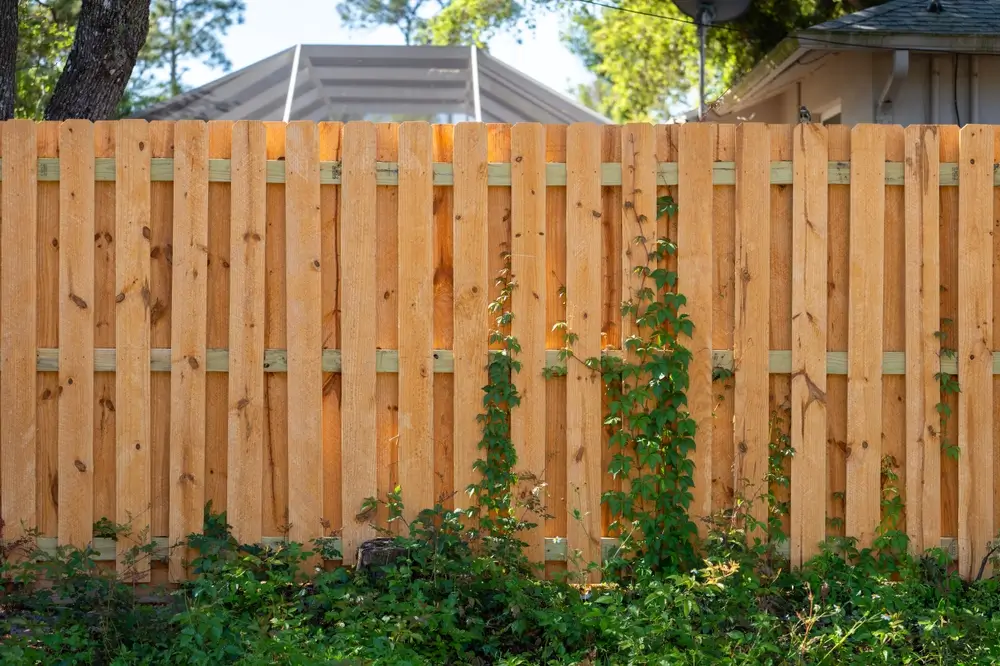
Choosing wood for your fence is a decision that affects more than just how your yard looks. The right wood will stand up to your local weather, resist pests, and fit within your budget. The wrong choice can mean constant repairs and early replacement.
Think about what your climate throws at you. In areas with lots of rain or humidity, woods like cedar and cypress hold up well because they resist rot and moisture damage. If you deal with cold, snowy winters, look for dense woods that are less likely to crack or warp after a freeze. Hot and dry regions, like Sacramento, can dry out and fade softer woods fast. I remember a homeowner in Folsom who chose spruce for its price. After two hot summers, the boards split and faded badly. He switched to redwood and saw a huge improvement in how his fence handled the weather.
Quick Fence Wood Checklist:
- Wet or humid climate? Choose rot-resistant woods like cedar or cypress.
- Dealing with snow and cold? Go for dense, stable woods such as redwood or pine.
- Hot and dry weather? Pick woods that can handle sun and dryness like redwood or treated pine.
- Pest problems? Look for natural insect resistance (cedar, black locust).
- Need a lower-cost option? Pressure-treated pine or spruce might work.
Resistance and Durability
Not all woods have the same toughness. Some, like black locust and osage orange, are extremely dense and naturally fight off rot, mold, and insects. Softer woods, such as untreated pine or spruce, are much more likely to get damaged by bugs or moisture. For my own fence, I picked cedar. It smells good and doesn’t attract pests. If termites are common where you live, be sure to use wood with natural oils or pressure-treated options to protect your investment.
Here are some features to look for in a fence that will last:
- Rot and mold resistance
- Insect resistance (either natural or pressure-treated)
- High density (hardwoods usually last longer than softwoods)
- Stable grain to reduce warping
Don’t forget to consider how much time and money you want to spend on upkeep. Even the highest quality wood will break down quickly if it’s not right for your climate or if you skip regular care. Taking a little time to weigh these factors now can save you a lot of repairs and expense later.
Cedar Fencing
Take a drive through Sacramento, and you’ll see plenty of fences that look sharp year after year. Chances are, those are cedar. Cedar is one of the most popular choices for fencing because it combines natural beauty with solid durability. The fresh, woody scent is a bonus for anyone spending time outside.
Cedar’s biggest advantage is its natural resistance to rot, decay, and insects. The natural oils in this wood help keep termites and moisture at bay, so you don’t need to rely on heavy chemical treatments. Over time, cedar changes from a warm reddish-brown to a soft, silvery gray. Many homeowners like both looks, and the color shift doesn’t mean the fence is wearing out. With regular care, a cedar fence can last 15 to 25 years or even longer.
Types of Cedar
There are two main kinds of cedar used for fences: Western Red Cedar and Northern White Cedar. Western Red Cedar is known for its rich color and strong natural oils. It’s a great pick if you want a bold, upscale look that stands up well to sun and rain. Northern White Cedar is lighter in color and a bit softer, making it easier to cut and shape for detailed designs. Both types resist rot and insects well, but Western Red Cedar usually holds up better in strong sunlight.
Cedar is more expensive than some other fencing options, but that upfront cost often pays off. You’ll spend less on repairs, and the fence keeps its good looks much longer than cheaper woods.
Cedar Maintenance
Keeping cedar in top shape doesn’t take much effort. Here’s a simple routine:
- Washing: Spray the fence with a garden hose every spring to remove dirt, pollen, and other debris. For stubborn spots, use a soft brush and mild cleaner.
- Sealing: Every two or three years, apply a clear wood sealer. This helps block moisture and keeps the boards from warping.
- UV Protection: Want to keep the reddish color? Use a UV-blocking sealant. If you prefer the weathered silver look, you can skip this step.
A little attention goes a long way. Fix any loose boards or small cracks as soon as you spot them to avoid bigger problems later. Cedar is reliable and long-lasting, especially if you keep up with these simple steps.
Redwood Fencing
Redwood fencing stands out for its deep, rich color and smooth, straight grain. Many homeowners love its classic look, especially when sunlight brings out those warm reddish tones. In places like Sacramento, redwood is a popular choice because it looks great and holds up well outside. The wood is full of natural tannins. These protect against rot and termites, so your fence is less likely to be damaged by pests or moisture.
Redwood is a premium material, so you’ll pay more for it compared to pine or spruce. Still, the investment can be worth it. With proper care, a redwood fence usually lasts 20 years or longer. There are fences in Roseville that look strong and attractive even after many summers and rainy winters. Redwood does best in areas without extreme humidity or temperature changes. If you’re deciding between types, remember that heartwood is the darker, inner part of the tree. It has more tannins, making it tougher and more durable. The lighter sapwood is softer and less resistant to the weather. For a fence that lasts, always choose heartwood boards when possible.
Here’s a helpful tip: let new redwood fencing sit outdoors for a couple of weeks before staining or sealing. This gives the wood time to adjust and helps the finish go on evenly. If you want to keep that bright red color, use a stain with UV protection. Otherwise, redwood will fade to a soft gray over time. Regular cleaning with a hose and soft brush, plus resealing every few years, will keep your fence looking its best. Redwood costs more up front, but it rewards you with beauty and durability year after year.
Cypress Fencing
Cypress is a smart choice if your area gets lots of rain or stays humid for long stretches. In places with soggy ground or steamy summers, cypress stands out for its natural ability to handle moisture. This is due to cypretine, an oil in the wood that protects against insects and decay. It helps block termites, carpenter ants, and mildew, making cypress a reliable option for wet climates.
There are two main types: Bald Cypress and Pond Cypress. Both are dense and straight-grained, with colors ranging from pale honey to light tan. Fresh-cut boards sometimes show a hint of green. Bald Cypress is more common and produces wider boards, so it’s easier to find at most lumber yards. Pond Cypress is a bit harder and has a tighter grain, which can offer extra durability but is less widely available. Cypress usually costs more than pine but less than redwood. Because most cypress comes from the Southeast, shipping can raise the price in other regions. Even so, many homeowners find the long-term benefits worth the extra cost, especially in damp or humid environments.
Caring for cypress fencing is simple but important. Use an oil-based stain and sealer to highlight the wood and stop moisture from getting in. Let the boards dry out in the sun for a week or two before staining, so any leftover sap can escape. Reapply stain every couple of years to keep the color warm and prevent fading to gray. Always wash the fence first to help the finish stick. With routine care, a cypress fence can last 20 to 30 years and stay strong against rot and bugs. If your yard stays wet or humid, cypress is a dependable, attractive pick for lasting fencing.
Black Locust Fencing
Black locust is one of the strongest options for wood fencing. Known for its impressive density and toughness, this hardwood stands up to rot and insects without any chemical treatment. Many fence builders choose black locust for rural properties and farms because of its natural durability. Even in wet soil, black locust posts can last for decades with little sign of decay.
When freshly cut, black locust has a yellow-green tint. Over time, it weathers to a soft gray that fits well with rustic landscapes. The wood often lasts 30 to 50 years or more, making it one of the longest-lasting fence materials available. However, there are some drawbacks to consider. Black locust is very hard and more likely to splinter than softer woods. Wearing gloves is important when handling new boards or rails.
Another thing to note is that black locust can be difficult to find in some regions. Full boards might not always be available at local lumber yards. Still, if you can source the material, black locust offers an excellent combination of strength, low maintenance, and longevity. It’s a solid choice for anyone who wants a sturdy, long-lasting fence and doesn’t mind a little extra care when working with the wood.
Osage Orange Fencing
Osage orange is an underrated option for fencing, but it offers outstanding durability at a reasonable price. This wood is extremely dense and has strong natural resistance to insects and rot. In many cases, fence posts made from osage orange last longer than the wire that runs between them. Termites and decay are rarely a problem, making it a reliable choice for long-lasting fences.
One thing to know about osage orange is its color. When freshly cut, the wood is a bold yellow-orange. Over time, it fades to a silvery gray, which some people appreciate for its rustic look. Others may prefer the original color, but it’s impossible to keep without frequent sealing or staining. Osage orange isn’t always easy to source, since it grows mostly in certain regions and is usually available only at specific times of the year. If you live in an area where this wood is common, it’s worth considering for fence posts or rails, especially if you want a fence that can handle tough conditions year after year. Just be prepared to call a few local suppliers or fence contractors to track it down, as it’s not usually found at large home improvement stores.
Pressure-Treated Pine Fencing
Looking for an affordable fence that can handle wet weather and pests? Pressure-treated pine is a popular choice for homeowners who want a sturdy fence without spending too much. Pine grows quickly and is found almost everywhere, which keeps costs low compared to other woods.
The real advantage of this wood comes from its treatment process. Pine boards are soaked in preservatives and pressed under high pressure, forcing protection deep into the wood. This significantly improves resistance to rot, moisture, and insects. While pressure-treated pine isn’t as tough as some hardwoods, a well-installed fence can last 15 to 20 years with proper care. Southern Yellow Pine is the most common type used, known for its strength. Eastern White Pine is a bit softer but still works for fencing. Right after installation, the boards may have a greenish or tan tint from the chemicals. Over time, they fade to gray or brown. If you want a different look, staining the wood can help.
- Pros:
- Very affordable compared to other wood types
- Easy to find in long lengths and a variety of sizes
- Holds up well against rot and termites after treatment
- Strong enough for privacy or decorative fences
- Cons:
- Needs regular sealing and staining to prevent damage
- May warp, crack, or twist as it dries and ages
- Treated wood should not be burned or composted
- Less attractive grain and color compared to cedar or redwood
Pressure-treated pine is a practical option for anyone focusing on value and durability. To get the most life from your fence, keep up with cleaning, seal the boards every couple of years, and replace damaged sections promptly. Skipping maintenance can lead to warping, sagging, or splitting boards. While it may not have the same visual appeal as cedar or redwood, pressure-treated pine remains a reliable and budget-friendly fence wood.
Spruce Fencing
Spruce is a popular choice for anyone looking for a fast and affordable fencing solution. It’s lightweight, easy to handle, and has a clean, pale look. Many homeowners use spruce for classic white picket fences or to create temporary boundaries while planning a more permanent upgrade.
Sitka spruce and White spruce are the most common types you’ll find at lumber yards. Both are straight-grained and simple to cut or nail, which makes them ideal for DIY projects. If you want a fence that looks nice but doesn’t need to last for decades, spruce is a good pick.
However, spruce does have its limits. It’s a softwood and doesn’t offer much protection against rot, insects, or harsh weather. Without regular sealing or painting, spruce fences tend to warp, twist, or lose their color after just a few years. Moisture causes the most damage, especially in areas with heavy rain or humidity.
Spruce works best for short-term projects, garden enclosures, or as a budget-friendly option while you plan for something sturdier. Choose spruce when you need something quick and inexpensive. Just keep in mind that it won’t last as long as cedar or redwood, and regular care is needed to get the most out of it.
Other Wood-Based Fencing Options
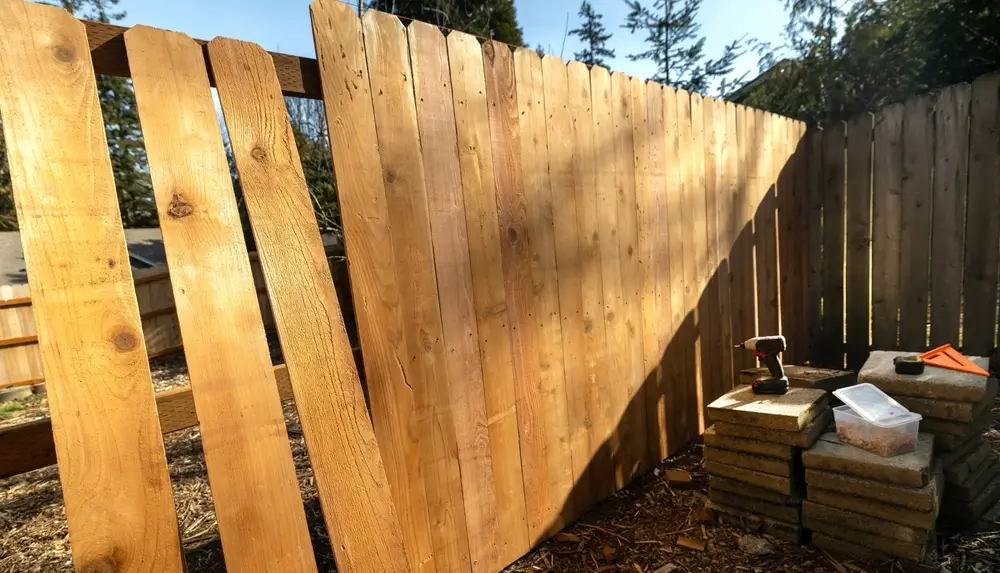
Looking for something different than the usual picket or ranch-style fence? There are several wood-based options that go beyond the basics. Each one comes with unique benefits, appearance, and care needs. Over time, homeowners in Sacramento have tried everything from plywood panels to composite boards. The best choice depends on your goals, budget, and how much time you want to spend on maintenance.
Cedar and redwood boards are popular for their natural look and reliable durability. They provide solid privacy and help block out noise, which is useful if your house is near a busy street. Plywood panels are another choice. They work well for fast, budget-friendly fences, especially if you only need something temporary. However, plywood doesn’t last as long and offers less privacy. Composite fencing is different. It’s made from a mix of wood fibers and plastic. This type of fence stands up to moisture, insects, and sun. Many people like composite because it requires very little upkeep and keeps its color for years.
- Cedar/Redwood Boards: Natural look, resists rot, moderate maintenance, good privacy and sound blocking.
- Plywood Panels: Lowest cost, fast installation, short lifespan, limited privacy.
- Composite Fencing: Rot-resistant, low maintenance, higher price, excellent privacy, long-lasting.
Tip: If you want a fence that stays good-looking with minimal effort, composite fencing is a smart pick. It doesn’t warp or splinter and needs almost no care. But if you enjoy the feel and scent of real wood, and don’t mind some upkeep, cedar or redwood boards offer a classic style. No matter what you choose, the quality of installation and regular care are key. Take a moment to compare these options and think about how much time you want to spend on maintenance. The right choice now will save you time and trouble later.
Comparing Fence Woods
Durability and Lifespan
Different types of wood handle years outdoors in their own way. Some stay solid and attractive a long time. Others show wear and tear much sooner. Here’s a simple comparison of the main choices for wood fencing:
- Cedar: Lasts 15-25 years with routine care. Western Red Cedar usually outlasts Northern White Cedar.
- Redwood: Often stands strong for over 25 years, especially if you use heartwood and seal it well.
- Cypress: 15-20 years, and especially reliable in humid or rainy areas.
- Black Locust: Extremely long-lasting – 20-40 years is common. Highly resistant to rot and insects.
- Osage Orange: 20-30 years, sometimes even more if you can find it locally.
- Pressure-Treated Pine: Usually 10-20 years if you keep up with maintenance.
- Spruce: 5-12 years. Best used where a short-term or budget fence is needed.
Maintenance and Cost
Each wood type has its own price tag and care needs. Expensive woods like redwood cost more at first, but need less attention over time. Budget picks like pine and spruce save money up front. They’ll need more effort to stay in good shape. Here’s a quick overview:
- Cedar & Redwood: Low to moderate maintenance. Wash, seal, and stain if you want to keep the color. Higher initial cost, but less hassle later.
- Cypress: Moderate upkeep. Needs sealing to protect it, especially in damp areas. Prices range depending on where you live.
- Black Locust & Osage Orange: Low maintenance. Can be harder to find or install. Prices vary by region.
- Pressure-Treated Pine: Needs frequent care – check for damage every year, reseal, and fix boards as needed. Cheapest to install, but repairs add up.
- Spruce: Lowest upfront cost, but will likely need replacing sooner, especially where there’s moisture.
If you want a fence to last for many years, invest in quality wood. If you’re on a budget or need a fast solution, pine or spruce will work, but plan for more repairs or replacement down the line. For more details about how each wood performs, see the earlier sections of this guide.
Choosing the Right Wood for Your Needs
Picking the best wood for your fence is a personal decision. Your yard, local weather, and how much maintenance you want all play a part. Sacramento’s hot, dry summers pose different challenges than a shady, damp yard. Each property is unique. What works great for one homeowner might cause problems for someone else just down the street.
If your area has wet winters, choose a wood that resists rot, like cedar or cypress. Areas with harsh summer sun do better with redwood or pressure-treated pine. If you want less hassle, composites and pressure-treated wood need less attention over time. For tight budgets, pine and spruce are affordable, but they need more frequent repairs. Here’s a quick breakdown:
- Wet or humid areas: Cedar, cypress, or black locust are good choices for resisting rot.
- Hot, sunny locations: Redwood, pressure-treated pine, or Osage orange handle heat well.
- Easy care: Composite fencing or high-quality cedar (with regular sealing) make maintenance simple.
- Saving money: Pine and spruce are less expensive to install but may cost more in repairs over time.
- Long-lasting: Spending more on cedar, redwood, or black locust pays off with a fence that lasts for years.
Take the Martins, for example. They moved to Roseville and wanted a fence that could stand up to backyard sprinklers without extra work. After looking at their needs – moisture, sunlight, and minimal upkeep – they chose Western Red Cedar. This wood naturally fights off bugs and rot. With a little sealing every few years, the fence should stay solid and attractive. When you’re making your decision, think about your local climate, how often you want to maintain your fence, and your budget. The right choice is the wood that fits your yard and your routine, not just what looks nice in someone else’s garden.
General Maintenance Tips for Wood Fences
Owning a wood fence means giving it regular care if you want it to last. Even the best wood types need some attention to stay strong and good-looking through changing seasons. Neglect can lead to faded color, warping, or even early rot. A little work each year goes a long way.
Walk along your fence twice a year, and after big storms. Check for loose boards, missing nails, or soft spots that could mean rot or insect trouble. Fix small problems right away before they spread. If you spot a leaning post or a board pulling away, handle it soon to avoid bigger repairs later.
Wash your fence in spring using a garden hose and a soft brush. Avoid using a pressure washer, as this can damage the wood. Once the fence is clean and dry, check if water still beads on the surface. If not, apply a fresh coat of stain or sealant. This helps block moisture, sun, and harsh weather. It also keeps your fence looking sharp year after year.
Don’t put off repairs. Even a small crack or bit of mold can get worse quickly, especially in areas with wet winters and hot summers. If you run into damage that feels too much to handle, reach out for fence repair in Sacramento. Sometimes, calling in a pro saves you money and hassle in the long run. With regular checks, cleaning, and quick repairs, your wood fence will stay solid and attractive for years.
Final Thoughts
After years of repairing and building fences in Sacramento, I’ve learned there’s no single best wood for every yard. Your local weather and budget make the biggest difference. Some homeowners need a fence that stands up to hot summers and rainy winters. Others want a simple, affordable way to keep pets safe.
The key is to pick the wood that matches your needs. Cedar and redwood cost more at first, but they last longer and require less work over time. Pressure-treated pine or spruce might be better if you want to save money or only need a fence for a few years.
Think about your weather, how much maintenance you’re willing to do, and how much you want to spend at the start. The right choice means your fence will last and look good, no matter what Sacramento’s weather brings.
