

Sacramento deck cost guide 2026
Deck pricing in Sacramento can vary dramatically depending on size, materials, elevation, and structural complexity. A simple flat backyard platform is a completely different project than an elevated Trex build or a large wraparound structure with stairs, multiple levels, and custom features.
For most homeowners, the biggest pricing mistake is assuming all decks fall into one general budget category. In reality, costs rise quickly once structural demands, premium materials, or larger custom layouts enter the picture.
Realistic Sacramento deck pricing examples
| Project Type | Size | Estimated Total |
|---|---|---|
| Ground-level Trex porch | 20×6 (120 sq ft) | $6,000 |
| Ground-level flat redwood deck | 12×20 (240 sq ft) | $9,600 |
| Elevated Trex deck (12 ft high) | 20×20 (400 sq ft) | $26,000 |
| Large wraparound multi-level redwood deck with a stair | 800 sq ft | $68,000 |
What these numbers actually show
Deck cost is shaped by project category more than by square footage alone. A small porch, a family deck, and a major structural outdoor build all live in very different pricing tiers.
Some of the biggest price shifts usually come from:
- Ground-level vs elevated construction
- Redwood vs Trex or other composite materials
- Railings, stairs, multiple levels, custom shape
- Structural framing complexity
- Jobsite access
Basic Sacramento pricing expectations
In practical terms:
- Smaller ground-level projects often start under $10,000
- Mid-size backyard decks commonly land in the low-to-mid five figures
- Elevated premium composite builds often move well beyond that
- Large wraparound or highly customized projects can quickly reach six figures
Before diving deeper into materials, permits, or upgrades, it’s important to understand that Sacramento deck pricing is less about “deck cost” in general and more about which category of deck you’re actually building.
What drives deck cost the most
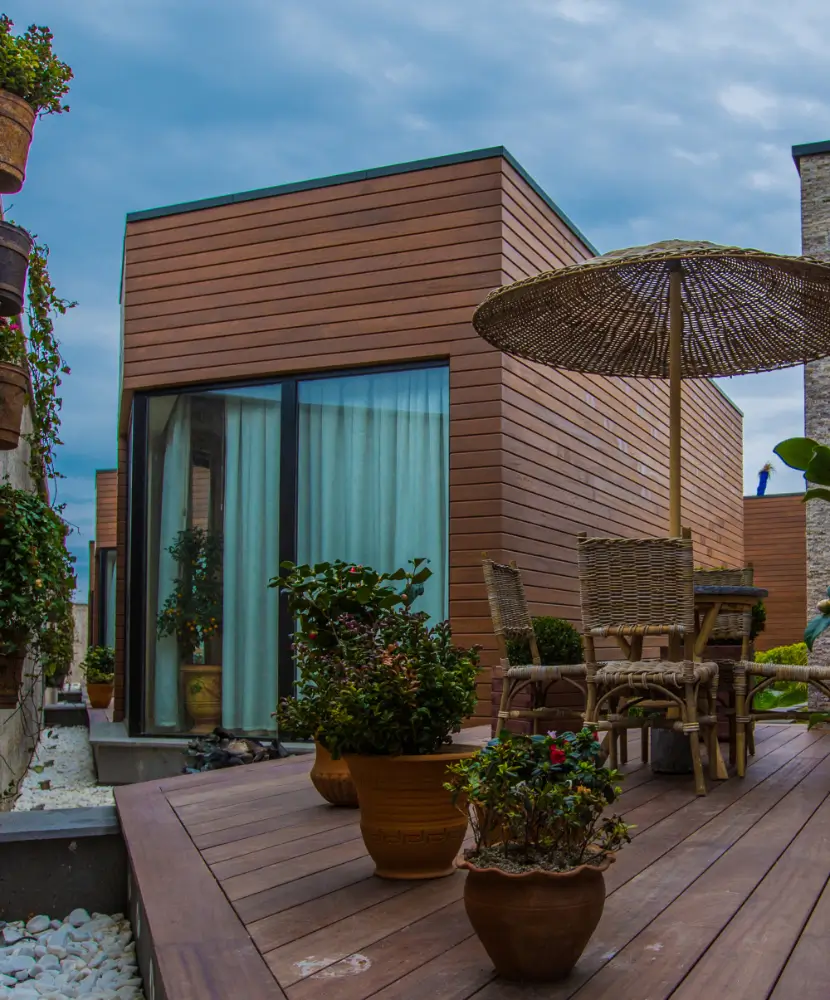
Once you move beyond rough deck pricing examples, final cost is usually determined by a few major variables stacking together. Square footage matters, but in Sacramento, structure, materials, and upgrades often shift pricing far more than homeowners initially expect.
Size and footprint
This is the obvious one. Larger decks require more framing, more decking, and more labor.
A simple 12×20 rectangular platform and an 600 sq ft wraparound structure are completely different budget categories even before upgrades begin.
Layout also matters. Straightforward rectangular decks are usually far more cost-efficient than wraparound, multi-zone, or heavily customized designs.
Height and structural complexity
Height is one of the biggest pricing multipliers.
Ground-level decks are usually the most cost-efficient category because framing and support systems are simpler. Once that same deck is elevated, structural demands increase quickly, even if the footprint and materials stay exactly the same.
Example: 12×20 redwood deck at different elevations
- Ground-level / Mid-elevation (0.5–6 ft high): around $9,000–$16,000
- Second-story / high elevation (10–12 ft high): often $20,000–$30,000+
That increase often comes from:
- Deeper and larger footings
- More posts and beams
- Heavier structural framing
- Stair systems
- Railings
- Engineering plans
- Additional labor and access challenges
The decking surface itself may stay nearly identical, but once height increases, the structure underneath often becomes one of the largest budget drivers in the entire project.
Material selection
In Sacramento, redwood is often the baseline professional standard for wood decking. Pressure treated wood exists, but for many homeowners it’s considered a lower-tier utility option rather than the preferred finished product.
Common material tiers:
- Pressure treated: Lowest upfront cost
- Redwood: Standard Sacramento build option
- Basic Trex / Composite: Higher upfront investment, lower maintenance
- Premium Trex lines: Highest upfront cost, superior scratch resistance and protection against fading
A redwood deck and a Trex deck of identical design can differ by many thousands once decking boards, fascia, and finish systems are factored in.
Railings, stairs, and upgrades
This is one of the most underestimated budget categories because upgrades stack quickly.
| Feature | Typical Sacramento Cost Impact |
|---|---|
| Basic wood railings | $30-$75 per linear ft |
| Hog wire railings | $30-$60 per linear ft |
| Aluminum railings | $120-$180 per linear ft |
| Cable railings | $180-$280 per linear ft |
| Standard staircase | $2,000-$5,000 |
| Wide or custom stairs | $3,000-$15,000 |
| Pergola / shade structure | $3,000-$20,000+ |
| Skirting | $1,500-$8,000+ |
For many builds, stairs and railing packages alone can push a project from practical to premium.
Demolition, permits, and engineering
These categories are easy to overlook early because they are not part of the visible finished deck, but they can significantly affect total cost.
| Cost Category | Typical Sacramento Range |
|---|---|
| Old deck demolition & disposal | $1,000-$3,000 |
| Permit fees | $200-$5,000 |
| Engineering / plans | $1,500-$8,000 |
Examples:
- A basic flat deck may require modest permitting
- A large elevated or structurally complex deck may require engineering, multiple inspections, and significantly larger permit budgets
This is often why decks with similar square footage can still land in very different price ranges.
The real pricing shift
For most Sacramento projects, cost increases happen when multiple major factors combine:
- Larger size
- Elevation
- Trex or premium materials
- Custom railings
- Stair systems
- Pergolas
- Permits and engineering
A basic deck may stay relatively straightforward, but once several of these categories stack together, total cost often rises much faster than expected.
Structural and site deck costs in Sacramento most homeowners underestimate
Hidden costs are often what separate a straightforward deck build from a much larger budget than expected. These categories are less visible than decking or railings, but they can significantly impact final pricing.
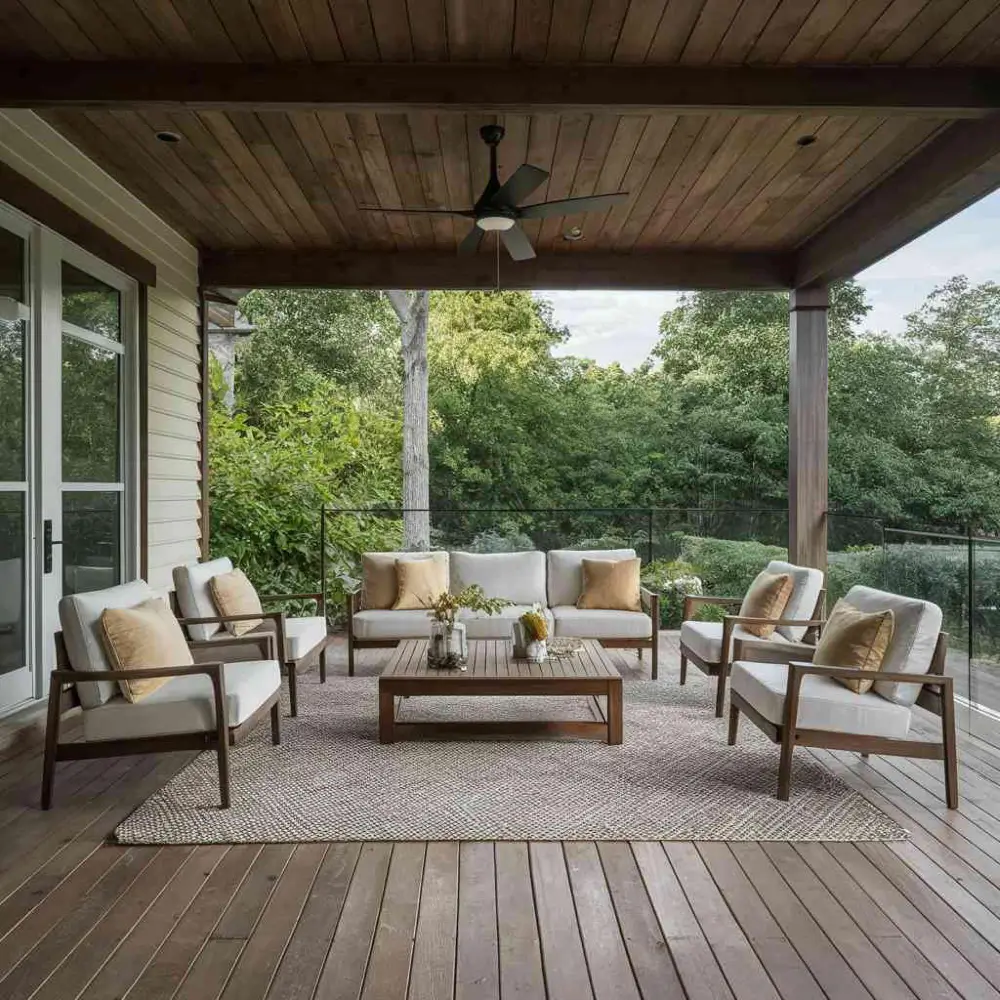
Permits
Permit costs vary based on city, deck size, and complexity.
- Simple projects: $500–$1,000
- Elevated or larger decks: up to $2000
Permits include plan review, inspections, and structural approvals.
Engineering
Engineering is required for elevated (12ft+), hillside, multi-level, or structurally complex projects.
- Basic plans: $500–$1,500
- Custom plans: $3,500+
Old deck removal
Replacing an existing deck often adds demolition and disposal costs before new construction even begins.
- Smaller deck removal: $1,000–$2,500
- Larger or more difficult tear-outs: $2,500–$5,000+
Access issues and hillside yards
Site conditions can materially increase labor and structural costs.
Common pricing multipliers include:
- Hillsides
- Steep slopes
- Tight access
- Soil issues
- Limited equipment access
The real impact
For many Sacramento projects, these hidden structural and site costs can add anywhere from a few thousand dollars to tens of thousands depending on project complexity. This is often why two decks with similar designs can still have very different final prices.
How to set a realistic deck budget

A realistic deck budget starts with understanding exactly what you’re building: size, elevation, materials, and finish level.
A small ground-level Trex porch, a standard redwood backyard deck, and a large elevated wraparound structure are completely different projects with very different financial realities. Budgeting becomes far easier when scope, material expectations, and long-term goals align early.
Matching project scope to budget
A practical starting point:
- Small basic deck or porch: ~$6,000–$15,000
- Mid-size ground-level deck: ~$12,000–$30,000
- Larger or elevated decks: ~$25,000–$60,000+
- Large custom, wraparound, or premium builds: $60,000+
Small decks can absolutely stay affordable, even with Trex, while larger structural builds escalate quickly regardless of material.
Materials: upfront cost vs long-term cost
In Sacramento, the real conversation is usually redwood vs Trex.
Redwood:
Often the standard entry point for a professionally finished deck. Lower upfront cost, strong appearance, but requires staining, sealing, and maintenance every couple of years.
Trex / Composite:
Higher upfront investment. Chosen for lower maintenance and significantly longer product lifespan. Premium composite options may cost more initially, but many homeowners choose them specifically to reduce future resurfacing, maintenance, or rebuild pressure.
Wonder how long a wood deck lasts? Check our guide
In simple terms:
- Redwood lowers initial project cost
- Trex increases upfront cost but reduces long-term maintenance and replacement expenses
When “cheap” becomes expensive
The cheapest quote is not always the best value.
Lower pricing can sometimes mean:
- Lower-tier materials
- Missing permits or engineering
- Minimal framing allowances
- Reduced structural lifespan
- Higher maintenance requirements
- Earlier rebuild pressure
Saving money upfront can sometimes create larger costs later.
Comparing bids properly
A realistic quote comparison means looking beyond total price.
Compare:
- Redwood vs Trex product line
- Structural framing scope
- Railing systems
- Stair systems
- Demo
- Permit handling
- Engineering
- Warranty
Two quotes may look similar in size but represent very different long-term outcomes.
Planning for long-term value
The best budgets usually balance initial price with expected lifespan.
For example:
- A lower-cost redwood build may make sense for shorter-term budget priorities
- A higher-cost Trex build may better fit homeowners prioritizing lower maintenance and long-term durability
- Better structural investment upfront can reduce major rebuild risks later
The practical reality
A realistic budget is not only finding the cheapest number. It’s also matching project size, elevation, materials, and expected lifespan to your real priorities.
The smartest budgeting decisions usually come from understanding what you want the deck to do for you over the next 10, 20, or even 30 years, not just what it costs on day one.
