

A guide to the various Trex lines
Picture a deck that stands up to hot summers, rough play, and weekend gatherings without splintering or warping. That’s where Trex lines come in. Trex is a top name in composite decking, trusted by many homeowners. The boards are made from recycled wood blended with plastic. This mix creates a strong, weather-resistant surface that looks good year after year.
After years of fixing up old wood decks, I’ve seen the headaches that come with traditional lumber. Wood can split, fade, or get eaten by pests. Even the best stains and treatments wear out. Trex offers a fresh alternative. It gives you the look of wood but avoids the constant cycle of sanding, staining, and repairs. With Trex, you won’t have to worry about rot or termites. Most of the time, cleaning is as simple as using a hose and a brush. Plus, using recycled materials helps cut down on waste and supports greener choices.
That’s what draws people to Trex: it lasts, it’s simple to care for, and it’s better for the planet. More homeowners are starting to wonder if composite boards could be a better choice than another round of wood repairs. Before you decide, let’s see how Trex compares to traditional lumber, especially in terms of how long it lasts and what kind of upkeep it really needs.
The Trex Lineup Explained
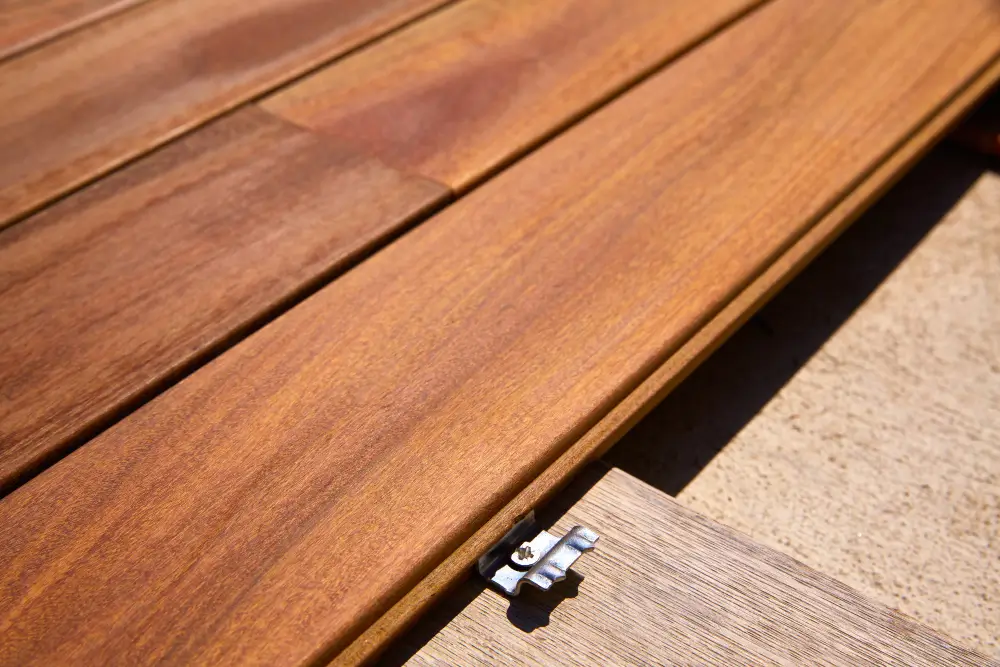
Trex offers a range of composite decking lines, each with its own purpose and price point. If you’re shopping for a new deck, it helps to know the main differences before making a choice. There are five main options: Enhance, Select, Transcend, Lineage, and Signature. Each line suits a different style, budget, and set of needs. Here’s a look at what makes each one stand out.
Trex Enhance
Enhance is the entry-level line and the most affordable. These boards are lighter because of their scalloped bottoms, making them easy to move and install. Enhance comes in two versions: Basics and Naturals. Basics stick to classic shades like grey and brown. Naturals offer more depth and a look that’s closer to real wood. For basic backyard decks or cost-friendly upgrades, Enhance is a popular pick. It gives you composite durability at a price that’s easy to live with.
Trex Select
Select is a step up from Enhance. It balances value and performance, landing in the middle of the Trex lineup. The surface is smoother, and the color choices include a mix of greys and a few warm browns. Select is capped on three sides to help resist weather and stains. If you want something reliable that will last and clean up easily, but don’t need all the premium extras, Select fits the bill for many homeowners.
Trex Transcend
Transcend sits at the upper end of the composite range. These boards have a tough shell that protects against scratches and fading. The color palette is broad, with rich reds, tropical browns, and some bold, modern hues. The wood grain pattern is more detailed, adding both grip and a realistic look. Transcend is a good choice if you want your deck to stand out and stay looking sharp for years, especially in spaces where you entertain or relax often.
Trex Lineage
Lineage is the newest option in the Trex family. Its main feature is heat-reflective technology that keeps the boards cooler in direct sun. The colors are lighter and more modern, making them great for bright, open yards. The finish stands up to fading, so the boards keep their fresh appearance longer. If you live somewhere hot, or your deck gets a lot of sun, Lineage can make a real difference in comfort.
Trex Signature
Signature is the premium line and uses an aluminum core instead of composite. This makes the boards very strong, with no risk of rot, mold, or termite damage. Signature boards are slim and give a clean, modern look. There are fewer colors, but each one is sleek and contemporary. Signature is often chosen for rooftop decks or upscale projects where low-maintenance and a bold design matter most. It’s the top choice for anyone who wants a long-lasting, standout deck and is willing to invest a bit more.
Comparing Trex Lines Price and Value
Let’s face it: most people start considering composite decks after seeing how much effort and cost goes into keeping up a wood deck. But when you look at Trex, the range of options can seem confusing. The upside? Each Trex line fits a different budget and set of priorities, whether you care most about price, style, or long-term savings.
Over the years, working on decks around Sacramento, I’ve met plenty of homeowners excited to skip the endless sanding and staining. Still, the price tag changes based on the materials used, board thickness, and the look of the finish. Spending more usually means richer colors, better scratch resistance, and those extra details that make a deck feel special.
- Trex Enhance: The most affordable option. Offers simple or two-tone looks, lighter scalloped boards, basic woodgrain texture, and a 25-year warranty. Great for rentals or budget projects.
- Trex Select: A step above Enhance. Solid (not scalloped) boards, five classic color choices, a softer woodgrain appearance, and a 25-year warranty. Good for mid-range decks.
- Trex Transcend: The premium choice. Deep, natural colors, thickest boards, top scratch and fade protection, and a 50-year warranty. For those wanting something truly eye-catching.
- Trex Lineage: The newest line, built to stay cooler in the sun. Light, modern shades, advanced cooling technology, and a 50-year warranty. Ideal for hot, sunny spaces.
- Trex Signature: The high-end pick. Aluminum core for extra strength, sleek modern finish, best scratch and fade protection, and a 50-year warranty. Perfect for rooftop patios or anyone wanting a showpiece.
In short, Enhance or Select work well for those who want a reliable deck that won’t bust the budget. If you want a deck that stands up to heavy use and still looks great for decades, Transcend, Lineage, or Signature are worth the extra investment. From what I’ve seen, the top-tier boards really hold up, even after years of use. Whichever you choose, Trex gives lasting value – no more worries about splinters or weekends spent re-staining in the summer heat.
Trex decking Lines price range
Trex pricing can vary quite a bit depending on the product line, deck size, railing choice, framing needs, stairs, demolition, permits, and site access. In general, the lower-cost lines work best for simple backyard decks, while the premium lines make more sense for high-traffic areas, sunny spaces, rooftop decks, or homeowners who want a more custom look.
| Trex line | Best for | Typical installed price range |
|---|---|---|
| Trex Enhance | Budget-friendly composite decks | $55–$70 per sq. ft. |
| Trex Select | Mid-range decks with better durability | $65–$80 per sq. ft. |
| Trex Transcend | Premium backyard decks | $75–$95 per sq. ft. |
| Trex Lineage | Hot, sunny decks where cooler boards matter | $80–$100 per sq. ft. |
| Trex Signature | High-end decks, rooftop spaces, modern designs | $100+ per sq. ft. |
These numbers are best used as a planning range, not a final quote. A simple ground-level deck will usually cost less than an elevated deck with stairs, railings, gates, custom framing, or permit requirements. If the existing structure needs to be removed or rebuilt, that can also change the final price. For most homeowners, the right choice comes down to balancing upfront cost with long-term value, especially since Trex is designed to reduce the ongoing maintenance that comes with wood decking.
Durability and Scratch Resistance
If you’ve ever dealt with splintered, warped wood decking, Trex is a different experience. Each Trex line stands up to Sacramento’s heat, cold snaps, and the everyday stress from kids, pets, and outdoor furniture. The secret is in the boards themselves. Trex decking uses a blend of wood fibers and plastic, all sealed in a tough outer layer. This keeps out moisture, blocks sun damage, and prevents splinters and rot.
Here’s how the lines compare. Trex Enhance is the starter option, but it still handles scratches and scuffs better than wood. Dogs can run across it without leaving marks, though heavy metal objects might leave a light scratch. Trex Select has a thicker shell, which means better protection from regular wear. It’s a solid choice for families or anyone who entertains often.
If you want something even tougher, look at Trex Transcend and Lineage. Transcend resists deep scrapes and dents, even if you move heavy furniture or have high foot traffic. Lineage is known for keeping cool in the sun, but it also holds up well against everyday bumps and knocks.
Signature is the premium option with an aluminum core. It’s nearly impossible to dent or scratch, making it a favorite for showpiece decks or rooftops where appearance matters most.
Compared to wood, all Trex lines come out ahead. Even the best wood options start to show wear after a few years, especially if you have pets or host parties. Wood can splinter and develop grooves over time. Trex boards keep their shape and look with simple cleaning. While no deck is completely damage-proof, Trex makes life easier and keeps your outdoor space looking good for years.
Exploring Colors and Style Options
Trex decks look great year after year. There’s a wide range of shades and finishes to fit almost any taste. You’ll find everything from warm browns and deep reds to cool grays and driftwood colors. Each line has its own selection. Transcend and Lineage stand out if you want lots of options. Both offer more than a dozen colors, including some that look like tropical hardwoods. These boards hold their color well, even in strong sun. If you want something simple, Enhance and Select stick to classic deck shades like Saddle or Clam Shell. Signature takes a modern approach with neutral tones and a matte finish.
Texture matters, too. Transcend has a deep wood-grain pattern that you can both see and feel. Lineage boards have a subtle, low-gloss surface that helps hide marks and stays cooler underfoot. Enhance and Select are smoother, making them easy to clean and less likely to collect dust. For decks in sunny spots, look for boards with added UV protection. Trex has focused on making sure their lighter colors don’t fade quickly. Before you decide, use this checklist to match your style and day-to-day needs:
- Do you want your deck to look like natural wood, or do you prefer a modern feel?
- How much sunlight will your deck get each day?
- Is having lots of color options important to you?
- Will your deck face heavy use from pets, children, or large furniture?
- Do you want a surface that’s smooth or one with texture?
Warranty and Maintenance Needs
Anyone who has spent a hot afternoon sanding or staining a wood deck knows that upkeep can be a real chore. This is where Trex decking stands out. Each Trex line comes with a warranty that far surpasses most wood options in both length and what is covered. Enhance and Select offer a 25-year limited residential warranty for fading and staining. Transcend and Lineage provide the same 25-year coverage, but with even stronger fade and stain protection. These higher-end lines hold up well in both lab tests and tough weather. The Signature line is different from the rest, thanks to its aluminum core. It comes with a 50-year limited warranty. That’s a rare promise for any deck. Just remember, warranties do not cover things like storms or damage from high-pressure washing. Always check the details. If you’re used to wood deck warranties, these numbers might seem almost too good to be true.
Maintenance is another area where Trex makes life easier. Wood decks often need regular sanding, staining, and repairs. With Trex, cleaning is simple. Most of the time, you only need to wash your deck with soap and water a couple of times a year. No sanding. No painting. No more weekend projects just to keep the deck looking decent. Spills and messes usually rinse away without trouble. The higher-end lines – Transcend, Lineage, and Signature – are built to handle scratches better, but even the basic Enhance line stands up well to active households and moving furniture. If a board does get damaged, you can swap it out, instead of dealing with rot or pest problems. If you want to compare how wood options stack up, the team at Sierra Deck Builders has a guide to the best wood types for decks and their care needs.
Here’s a simple routine: keep leaves and debris off your Trex deck, rinse it after pollen season, and check fasteners once a year. That’s all most people need to do. Many homeowners say they get to relax and enjoy their decks, instead of always working on them. Less time cleaning, more time enjoying the space. That’s what makes Trex so appealing.
Trex in Real Life
Over the years, I’ve come across all kinds of decks. Some needed serious rescue, while others looked like the perfect spot to relax with a cold drink. Trex decking shows up in every situation. Here in Sacramento and Roseville, different Trex lines fit different needs.
For example, I worked with a family who had two lively dogs and three kids. Their old pine deck caused too many splinters and needed constant repairs. Trex Enhance turned out to be the answer. The deck stood up to scratching paws and muddy shoes. Cleanup was simple, just a quick spray with the hose. The parents could finally stop worrying about splinters or yearly staining. That kind of relief is worth a lot when your house is always busy.
In downtown Sacramento, one client wanted something special for a rooftop terrace. This wasn’t a place for backyard barbecues. It needed to make a statement, hold heavy planters, and deal with strong sun and city dust. Trex Signature was a perfect match. Its aluminum core kept the surface cool, even during the hottest days. The sleek design added a modern touch to the whole rooftop.
In sunny Roseville, I’ve also seen customers choose Trex Lineage for south-facing patios. One homeowner enjoyed being able to walk barefoot even when temperatures soared. The pale colors and heat-reducing features really helped. No more hopping across a burning deck in the summer.
Every Trex line brings something to daily life. Whether you have an active family, want a rooftop retreat, or just hope for a cooler spot outdoors, there’s a Trex option that fits right in.
How to Choose the Best Trex Line
Choosing between Trex lines can seem tricky at first, but it gets easier when you focus on what matters most for your home. Think about it like picking the perfect pair of shoes for a backyard get-together. You want something that matches your style, feels comfortable, and holds up to whatever life throws at it.
After seeing countless decks across Sacramento, I’ve learned there are five main things to consider. These include your budget, preferred look, how much sun your deck gets, how you’ll use the space, and how much time you want to spend on upkeep.
- Budget: Enhance is the most affordable. Signature is the top-end choice.
- Style: Transcend and Signature offer the boldest colors and wood-like grain. Enhance and Select keep things simple and classic.
- Climate: If your area gets a lot of sun, Lineage is made to stay cooler on hot days.
- Usage: For heavy use, pets, or lots of visitors, Transcend and Signature have tougher surfaces.
- Maintenance: All Trex lines are easy to clean. Signature and Lineage need the least attention because of their advanced finishes.
Start by deciding which factor matters most to you. If you need to keep costs low but want something that outlasts wood, Enhance is a strong pick. For a custom look or a deck built for hot weather, think about Lineage or Signature. If you’re unsure, picture yourself stepping outside – choose the line that makes you happiest to see every day. That’s usually the best fit.
Why Choose Trex Over Wood
If you’ve ever had to fix up an old redwood deck in Sacramento – pulling splinters from your hands, hammering down loose nails, or dealing with warped boards – you understand why so many people are considering composite decking like Trex. Wood decks look great, but they come with a ticking clock. Every spring, homeowners face the same chores: staining, sanding, and wondering if this is the year for a full replacement.
The biggest difference between wood and Trex is how long each lasts and what it takes to keep them in good shape. According to how long a wood deck lasts, most wood decks in this area stick around for about 10 to 15 years before needing major repairs or a full rebuild. Softer woods, like standard redwood or pressure-treated pine, might last a bit longer with careful upkeep, but they still struggle against sun, rain, and even spilled drinks. Trex, on the other hand, is made to handle those challenges. A Trex deck can last more than 25 years with just simple cleaning now and then.
Deck tip: “A composite deck like Trex will typically outlast a wood deck by at least a decade and needs much less work – no yearly sealing, staining, or worrying about splinters.”
Cost is another thing to think about. Trex usually has a higher price at the start. But when you add up all the time, money, and effort spent on sanding, staining, and fixing old wood boards, it starts to make sense as an investment. Many families spend thousands on wood repairs and end up wishing they chose composite from the beginning. If you want to spend your weekends relaxing instead of working on your deck, Trex makes that possible. It may not last forever, but compared to wood, it comes close.
Final Thoughts on Trex Decking
After years of replacing boards and dealing with splinters, warping, and sun damage in Sacramento, I’ve come to value the practical benefits of Trex. Their lineup offers choices that fit real needs. Some homeowners want a simple, cost-effective upgrade like Enhance. Others want their backyard to feel high-end with Signature. Trex stands out for its long-lasting build, easy upkeep, and wide range of colors and textures.
If you’re trying to decide, start by thinking about what matters most. Do you need something that can handle heavy use from kids or pets? Or do you want a deck that keeps its good looks with little work? Trex gives you the freedom to choose based on your lifestyle and budget.
Spend some time researching and comparing options. Trust your instincts. No matter what you pick, you’ll appreciate it the next time you’re relaxing outside instead of scrubbing or sanding boards in the summer heat.
