

Best deck materials and how to choose the right one
Imagine a warm summer afternoon with friends gathered on your deck. It’s a favorite spot for relaxing, entertaining, and soaking up the outdoors. But in places like New Hampshire, your deck has to handle far more than sunny days. Freezing winters, rainy springs, and blazing summers all put different materials to the test. After spending years building decks and outdoor spaces, I’ve learned that picking the right deck material is about more than just looks. It’s about finding what matches your climate, your habits, and the amount of upkeep you’re willing to put in.
I’ve seen every kind of homeowner wish list. Some people want a deck that always looks sharp and doesn’t need much attention. Others enjoy the feel and tradition of real wood, even if it takes more care. Weather, foot traffic, pets, and the time you want to spend on maintenance all matter. Even a single season of harsh weather can show you if your material choice was a good one or a mistake.
Today’s deck materials offer more choices than ever before. Classic wood options are just the beginning. Now you can pick from composite boards that resist mold, PVC that stands up to water, or even aluminum for extra-tough conditions. Each material has its own benefits and downsides. In this guide, we’ll look at all the major options, so you can choose a deck that fits your lifestyle and stands up to the weather. Let’s get started.
Essential Factors Before Choosing
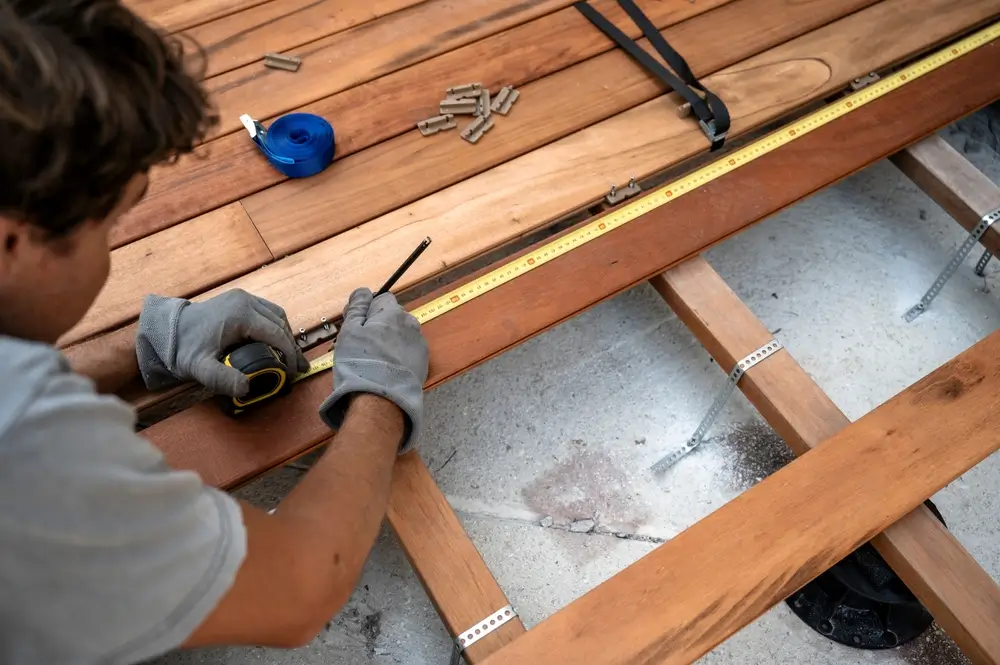
Before you start browsing materials or choosing colors, it’s smart to focus on the fundamentals that really shape your deck experience. Many homeowners fall for a beautiful display sample, only to find their new deck takes more work than expected. I’ve seen plenty of decks in all climates, and the right material choice can save a lot of effort and frustration later.
There are eight main things to think about: initial cost versus long-term expenses, how much maintenance you’re willing to handle, durability, how the material fits your local weather, resistance to moisture and insects, appearance, sustainability, and safety. Every one of these has a direct impact on how your deck looks and performs. For example, pressure-treated wood might seem affordable, but it’ll need yearly upkeep. Composites hold their shape longer but cost more up front. What’s perfect for a dry, sunny yard might struggle in a damp or snowy area. And don’t ignore practical details like splinters, heat buildup, or how slippery things get after rain.
Quick Deck Material Checklist:
– Upfront cost vs. ongoing expenses
– How much maintenance are you really willing to do?
– Durability and expected lifespan
– Is it suitable for your local climate?
– Does it resist moisture and bugs?
– Appearance: does it fit your style?
– Is it eco-friendly or responsibly sourced?
– Safety: slip resistance, splinter risk, heat retention
Keep this checklist in mind as you explore your options. Every material has its own strengths and trade-offs. Your best bet is to match these points with your personal needs. Whether you picture family barbecues or want something that stays solid for decades, being clear about these essentials makes all the difference.
Types of Decking Materials
Choosing the right decking material shapes how your deck looks, feels, and lasts. Today’s options go far beyond the old standard of wood. Homeowners can now select from pressure-treated lumber, natural woods, composite boards, PVC and other plastics, or even metals like aluminum. Each option handles weather, maintenance, and budget in its own way.
Pressure-treated wood is popular for its lower upfront cost and classic appearance. Natural woods like cedar, redwood, and tropical hardwoods offer unique looks, but usually need more care. Composite decking mixes wood fibers and plastic, making it a strong, low-upkeep pick that resists fading and splinters. PVC and other plastics excel where water is a concern, such as lakeside decks or docks. Aluminum, while used less often, stands out for its strength and resistance to rust or fire. As you read on, keep in mind how each material fits with your climate, maintenance goals, and budget. The next sections will break down each type in more detail, helping you match the right material to your needs.
Pressure-Treated Wood Decking
Pressure-treated wood remains a favorite choice for backyard decks across the country. It’s affordable and offers good durability for the price. This material is made by forcing preservatives deep into standard lumber with high pressure. The treatment helps protect the wood from rot, insects, and moisture – problems that can quickly destroy untreated boards, especially in damp climates.

The most common type used is southern yellow pine, which often starts with a slight green tint after treatment. On average, a properly cared-for pressure-treated deck can last 15 to 20 years, sometimes longer. Regular maintenance is important. You’ll need to clean your deck each year, reseal it every couple of years, and replace damaged boards as needed. Skipping these steps can lead to warping, splintering, or soft spots, especially in shaded or wet areas. But if you are comfortable with seasonal upkeep, this material offers great value.
Many homeowners pick pressure-treated wood because it’s easy to find, budget-friendly, and straightforward to cut and install. It works well for DIY projects. However, it can be more likely to crack or split over time compared to composite or plastic decking. Older versions used harsher chemicals, but today’s treatments are safer for people and pets. The look isn’t for everyone, but you can stain or paint it to match your style. Want to learn more about how pressure-treated wood is made and how to use it safely? Visit pressure-treated wood basics for detailed information. If you’re trying to manage costs and don’t mind regular maintenance, pressure-treated wood can be a smart pick for your deck.
Natural Wood Choices
Many people are drawn to the feel and look of real wood decks. Even with so many new deck materials available, natural wood still attracts homeowners with its warmth, familiar appearance, and that classic backyard style. But choosing wood isn’t just about looks. It’s important to understand what each type of wood offers, what care it needs, and how it performs over time. Let’s break down the main options and what you should know before making a decision.
Cedar and Redwood
Cedar and redwood are two of the most popular softwoods for decking. They look great, are easy to handle, and naturally resist rot and insects. Their colors range from rich reds to golden browns, and their fine grain gives decks a smooth, inviting finish. Some homeowners like to let these woods age to a silvery gray, while others prefer to stain and seal them to keep the original color. On average, a well-maintained cedar deck can last 15 to 20 years. Redwood is a bit more durable, but both need routine cleaning, sanding, and resealing every few years.
Maintenance makes a big difference. In areas with wet or cold climates, decks need extra attention. For example, one family in New Hampshire enjoyed their cedar deck for years, but skipped a couple of sealing sessions and soon noticed mildew and fading. If you want a classic wood deck, be ready to spend some time each year on upkeep to keep it looking its best.
Tropical Hardwoods
Tropical hardwoods like ipe, cumaru, and mahogany are much denser than softwoods. They’re tough to cut and install, but last a very long time. Ipe decks often stay strong for 30 to 40 years, even with heavy use and tough weather. These woods resist scratches, insects, and moisture. If you want to keep their deep brown color, you’ll need to oil them periodically. Otherwise, the boards will turn gray over time, similar to cedar and redwood.
Tropical hardwoods cost more at the start and can raise some environmental concerns. Always check for certified sustainable sourcing to help protect forests. Installing these hardwoods takes extra effort, too. Each board usually needs to be pre-drilled, and the work can be slow. For homeowners with the budget and patience, tropical hardwoods are a solid choice for busy decks, pool areas, or spots where long-term strength is a priority.
Composite Decking Explained
Composite decking has changed a lot in recent years. Years ago, many homeowners hesitated at the idea of “plastic wood.” Now, composite boards are often the first choice for new decks. These boards are made from a mix of wood fibers and recycled plastic. The result is a deck board that looks like wood but holds up much better against the elements.
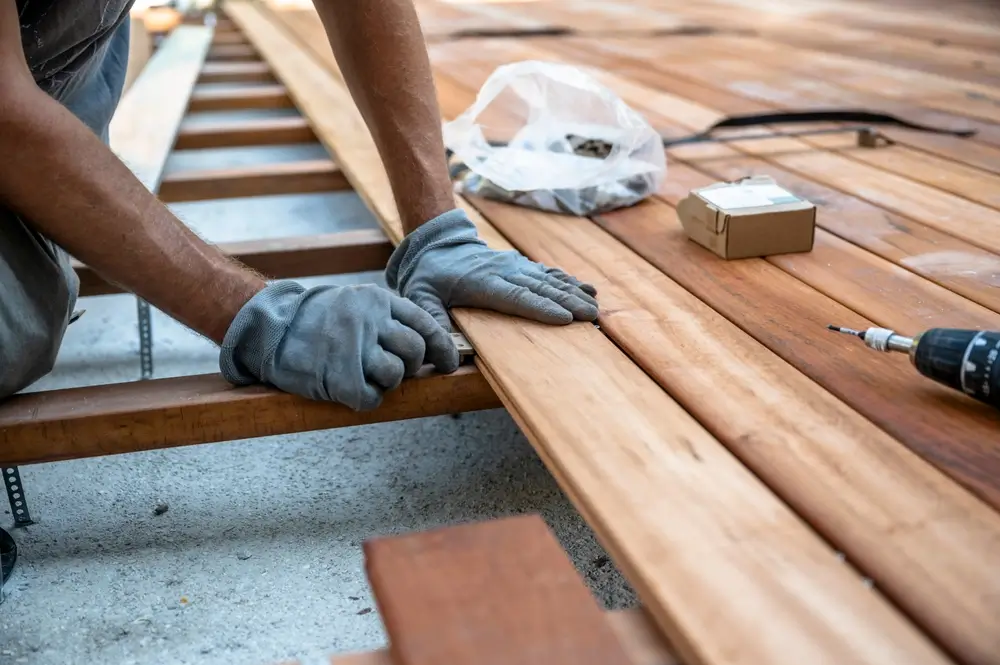
Unlike traditional lumber, composite decking resists splintering, rotting, and warping. You can find boards in many colors, from weathered gray to deep, rich browns. Composite boards are also heavier than wood, which makes the deck feel sturdy underfoot.
A major improvement in recent years is the use of capping. Early composite boards often had problems with mildew and fading. Modern capped boards have a strong outer shell that protects against water, stains, and harsh weather. This shell also makes cleaning easier. If you want a deck with less upkeep, capped composite is a smart pick. Installation is different from wood – you’ll need to use special fasteners and pay close attention to spacing. Hidden clips are common for a smooth finish. The process moves quickly once you get used to it, but you can’t place fasteners anywhere like you can with regular wood.
- Pros: Easy to care for (no regular staining or sealing), splinter-free, resists rot and insects, many color options, looks uniform, and often uses recycled materials. Capped boards do well in all kinds of weather.
- Cons: Higher initial cost than pressure-treated wood, can feel hot in full sun, heavier to move, and some brands have a more uniform look that wood fans may not love. Surface scratches can show, but most fade with time.
For real-world examples and details, visit composite decking leaders like Trex. Composite is a smart choice if you want to spend more time enjoying your deck and less time on repairs. Expect a deck that lasts for years with only simple cleaning and basic care.
PVC and Plastic Decking Options
PVC and other plastic decking options have improved a lot in recent years. Today’s boards are popular with homeowners who want a deck that stands up to water, sun, and busy gatherings. Unlike composite decking, which mixes wood fibers with plastic, pure PVC contains no wood at all. This makes it a good choice for places with a lot of moisture, such as docks, pool areas, or shaded yards where wood just doesn’t last.
PVC decking is made by extruding solid plastic, often with a foamed core. The boards don’t rot, warp, or attract termites. Most are finished with a protective cap that resists fading and mildew. These decks handle rough weather and frequent use, but they can sound a little hollow or get warm in direct sunlight. If you want something low-maintenance and worry-free, PVC is worth considering. Here’s a closer look at the two main types you’ll see:
Cellular PVC Decking
Cellular PVC is produced by mixing air into the plastic during manufacturing, creating a lighter, slightly flexible board. These boards are sturdy but much lighter than wood. They are easy to install and cut cleanly, with no risk of splinters. Many homeowners appreciate that cellular PVC needs only a quick rinse to stay clean. It resists fading and water damage, making it a good fit for sunny or wet areas.
However, cellular PVC can bend more than wood, and it may scratch if you drag heavy furniture across it. The color and texture options have improved, but the plastic appearance is still noticeable up close. For families who value easy care and want to avoid constant upkeep, this decking is a practical solution.
Other Plastic Decking
There are a few other plastic decking materials available, such as polystyrene. These products are made from dense foam and covered with a tough outer shell. They are available in many colors and offer good stain and slip resistance. This makes them suitable for pool decks or play areas where safety is important.
Some of these boards may feel hollow when walked on, and color matching can vary between batches. While they don’t imitate wood, they deliver solid performance and require little upkeep. For homeowners who prioritize function and safety over a wood-like appearance, these plastic decks are a reliable option.
Aluminum Decking
Aluminum decking stands out as a specialty choice, but it offers unique advantages for homeowners who want durability above all else. Aluminum resists moisture, insects, and fire, making it ideal for challenging climates. Unlike wood or composite decks, aluminum boards do not rot, swell, or warp. Even after years of tough winters or heavy rain, they maintain their shape and strength. This makes aluminum an excellent option for decks exposed to harsh weather or frequent temperature changes.
The appearance of aluminum decking is modern and a bit industrial, which may not appeal to everyone. However, its lightweight construction combines with impressive strength, making it a smart solution for rooftop decks or areas where weight matters. One thing to note: aluminum can heat up in direct sunlight, so it might feel uncomfortable on bare feet during hot summer days. The initial cost is higher than wood or composite, but in exchange, you get a deck that requires almost no upkeep over decades.
Aluminum decking is especially practical for docks, saltwater locations, or any setting where weather and water exposure are constant challenges. If you want to explore using aluminum framing and decking as part of your project, it’s worth considering for its long-term benefits. The look is different, and you might get questions from neighbors, but the freedom from staining, sealing, and repairs is a big plus for many homeowners.
Comparing Deck Materials for Different Needs
Choosing the right deck material depends on your home, your habits, and where you live. There’s no single answer that fits everyone. After years of helping homeowners in New England, I’ve found that what works for one family might frustrate another. Below, you’ll see how different materials line up for common needs and challenges. Use this list to match the right option to your situation.
- Budget-friendly: Pressure-treated wood is the top pick for saving money at the start. It’s found in most home improvement stores and easy to work with. Keep in mind, you’ll need to stain or seal it regularly, which adds time and cost later. Read more at pressure-treated wood basics.
- Easy upkeep: Composite decking and PVC need very little attention. If you prefer relaxing over chores, these boards resist splinters, stains, and fading. I’ve installed Trex decks that still look good years later. See examples at composite decking.
- Hot, sunny spots: Light-colored composites, PVC, or aluminum stay cooler under the sun. Avoid dark boards if your deck will get a lot of direct sunlight.
- Cold or snowy climates: Natural woods like cedar and ipe handle freezing and thawing, but need sealing. Composites do well here too and don’t splinter in low temperatures.
- Moisture, humidity, and insects: PVC and aluminum are nearly unaffected by water and bugs. Pressure-treated wood is treated for these issues but still needs watching and care.
- Heavy use: Dense hardwoods (such as ipe) or top-quality composites last longest when lots of people use the deck. They’re a good fit for busy families or rental properties.
- Waterfront and docks: Aluminum and PVC both handle water without warping or damage. For a modern look and extra strength, aluminum framing (like aluminum framing) stands out.
- Long-term savings: Composites, PVC, and tropical hardwoods cost more at first but pay off by lasting longer and needing less care. Over 20 years, you spend less on fixes and maintenance.
Think about how much time you want to spend on upkeep and what your deck will face each year. If you like classic looks and don’t mind yearly care, natural wood feels rewarding. If you want more free time, composites or PVC are smart choices. For damp or riverside spots, aluminum or PVC help avoid future problems. There’s no single best choice, but you’ll find the right one for your home and lifestyle.
Sustainability and the Environment
Your deck material affects much more than how your backyard looks after a rain shower. Every board, plank, or tile leaves an impact on the environment, both during production and over its lifespan. These days, more homeowners are asking how their choices affect nature, not just their curb appeal. It’s smart to think about how your deck will hold up and what it means for the planet.
Composite and PVC decking often earn high marks for eco-friendliness. Many brands include recycled plastics or reclaimed wood fibers. Some composite boards contain up to 95% recycled content, which means less waste and fewer trees cut down. These decks last a long time, so you won’t need to replace them as often, reducing landfill use. Aluminum is another option with a positive profile. It can be recycled over and over, and many products already contain a lot of recycled metal.
Some materials come with bigger environmental questions. Tropical hardwoods, like ipe and mahogany, are tough and beautiful but can contribute to deforestation if not sourced carefully. Even with certifications, it can be difficult to know exactly where the wood comes from. Pressure-treated wood uses chemicals to resist rot and insects, but those chemicals may leach into the soil or water if not handled properly. Cedar and redwood can be a better choice if harvested from managed, sustainable forests – always check for certification before buying.
Every decking material has pros and cons for the environment. Think about recycled content, chemical use, forest management, and how long each material will last. Picking the right option helps you create a deck you can enjoy, while feeling confident you made a responsible choice for the earth.
Decking Material Myths
Misinformation about deck materials is everywhere, so let’s clear up a few common myths. “Wood is always cheaper.” While pressure-treated pine can be inexpensive upfront, the long-term maintenance and eventual replacement often mean higher costs down the road. “Composites look fake.” This was true years ago, but modern composite boards now have realistic wood grain and colors that blend right in with natural wood. “Plastic decks never get hot.” Actually, PVC and other plastic decking can heat up in direct sun, just like wood and composite. “All decks need the same upkeep.” That’s not accurate. Wood needs regular staining and repairs, while composite and PVC usually require only occasional cleaning. By understanding the real facts behind these materials, you can make a choice that fits your home and lifestyle.
Choosing the Right Deck for Your Home
After years of helping homeowners build decks across New Hampshire, I’ve learned that the best material is the one that fits your daily life. Do you have kids who love to play outside? Maybe you host summer barbecues or want a quiet spot for your morning coffee. Your deck should match how you actually use your outdoor space.
Start by thinking about your routine and your willingness to keep up with maintenance. If you want something low-maintenance, composite or PVC decking can be a smart choice. If you prefer a natural look and are okay with occasional staining or sanding, cedar or hardwoods like ipe might appeal to you. Remember to weigh both the initial price and the cost of upkeep over time. Sometimes spending a little more now means less work and expense later.
Tip: Write down your priorities: How do you picture your deck in five years? How much effort are you willing to put into maintenance? Consider your local weather, too. Let these answers guide your decision, not just the latest trends.
Trends come and go, but your needs remain the same. I’ve seen people choose popular options, only to find out they aren’t practical for their climate or lifestyle. Be honest with yourself about what you will and won’t do when it comes to maintenance. If you want a deck that stands up to snow, sun, and weekend gatherings, it’s often better to pick something practical over something flashy. The right deck should make your life easier, not add stress. Choose what suits your needs, and you’ll enjoy your outdoor space for years to come.
Frequently Asked Questions
Choosing deck materials comes with a lot of questions. Here are clear, simple answers to the most common ones. Use this quick guide to compare your options and make things easier as you plan.
- Wood vs. composite – which should I pick?
Wood, such as cedar or pressure-treated pine, brings natural beauty and costs less up front. Composite is easier to care for. It doesn’t splinter, fade, or rot as quickly. If you want a deck with less maintenance, composite is a smart choice. If you love the look of real wood and don’t mind upkeep, go with wood. - What’s the toughest deck material?
Tropical hardwoods like ipe, and many capped composite boards, hold up best. Aluminum is extremely strong and won’t rot or attract bugs, though its modern look isn’t for everyone. For most homes, either a top-quality composite or dense hardwood will last longest. - Which option saves the most money over time?
Composite decking usually has the lowest long-term cost. It costs more at first but needs little maintenance and lasts for decades. Wood is cheaper to build, but you’ll spend more on staining and repairs over the years. - What works best for lots of sun, moisture, or heavy use?
In direct sun, lighter-colored composite or PVC stays cooler. For damp spots, like near pools and lakes, PVC and aluminum don’t swell or rot. For high-traffic decks, choose capped composite or hardwood. Both can handle lots of use and still look good. - How long does each type of deck material last?
Pressure-treated pine: about 10-15 years if you keep up with care. Cedar and redwood: around 15-20 years, sometimes longer. Tropical hardwoods: 25-40 years with some attention. Composite and PVC: 25-30 years or more, depending on the brand. Aluminum: over 40 years with little change. Regular cleaning helps any deck last longer.
Still unsure? Refer to this list as you look at your choices. Picking the right deck material doesn’t have to be stressful. Focus on what fits your lifestyle and your local climate. If you want to check out real-life examples, try visiting a few finished decks in your area.
Conclusion and Next Steps
Picking the right deck material shapes how much you enjoy your outdoor space. When you put thought into your choice, you get a deck that fits your needs, lasts through the seasons, and matches your style. Think about durability, maintenance, cost, and how each material stands up to local weather. Some prefer the classic look of wood and don’t mind occasional upkeep. Others want an easy-care surface, like composite, that stands up to heavy use and rain.
Before you start building, talk with an experienced local contractor. Their advice can help you avoid mistakes and make sure your deck stays safe and sturdy for years. Solid installation matters as much as the material itself. Use what you’ve learned here as a starting point, but let your own lifestyle, budget, and vision guide the final choice. With careful planning, your deck will be the backdrop for many good memories ahead.
