

Best Wood Types for Decks
A deck can become the perfect place for family gatherings, weekend cookouts, or just relaxing after a long day. But that enjoyment disappears fast if the wood starts to crack, rot, or give way under your feet. After years of working on decks in Sacramento and Roseville, I’ve seen firsthand how picking the wrong wood can turn a simple project into a long-term frustration and expense.
Looks aren’t everything when it comes to deck wood. Outdoor decks have to deal with constant sun, heavy rain, insects, and big changes in temperature. Some woods resist these challenges and stay strong year after year. Others break down quickly, especially if they were chosen just because they were cheap or easy to find. I’ve helped homeowners replace decks that only lasted a few years, all because of a poor wood choice. On the other hand, I’ve stood on decks built more than a decade ago with the right materials and care. They still feel safe and look great.
This is why picking the right wood is a key step for every deck project. The wood you choose will decide how your deck holds up and how much work it takes to keep it looking good. In this guide, you’ll find out which woods can handle Sacramento’s heat and rain, which ones need extra care, and how good advice and simple upkeep can save you money over time. Whether you’re starting fresh or fixing an old deck, understanding how wood affects strength and maintenance will help you enjoy your deck for years to come.
Understanding Outdoor Challenges
Deck wood faces some tough opponents outside. In Sacramento and similar climates, weather changes quickly. Rain soaks in, then hot sun dries everything out. That constant wet and dry can lead to serious damage. Boards can swell, then shrink, and before you know it, cracks and warping appear. Moisture also invites rot, which eats away at the wood from the inside out.
Bugs are another problem. Termites and carpenter ants see untreated wood as an open invitation. They chew through boards and leave behind weak spots. Sunlight is just as harsh. UV rays fade color and dry out the surface, making it brittle and more likely to splinter. Extreme temperature swings only make things worse, speeding up the aging process.
“I’ve seen cedar decks last for decades in dry climates, but fall apart in just a few years somewhere humid. The wrong wood in the wrong place is just asking for headaches.”
– Mark, Sacramento deck builder
Each type of wood reacts differently to these challenges. Some woods resist rot and pests better than others. Many need regular sealing or staining to stand up to the elements. In later sections, we’ll look at how different woods handle these outdoor threats, so you can choose what works best for your local conditions.
Top Woods for Decks
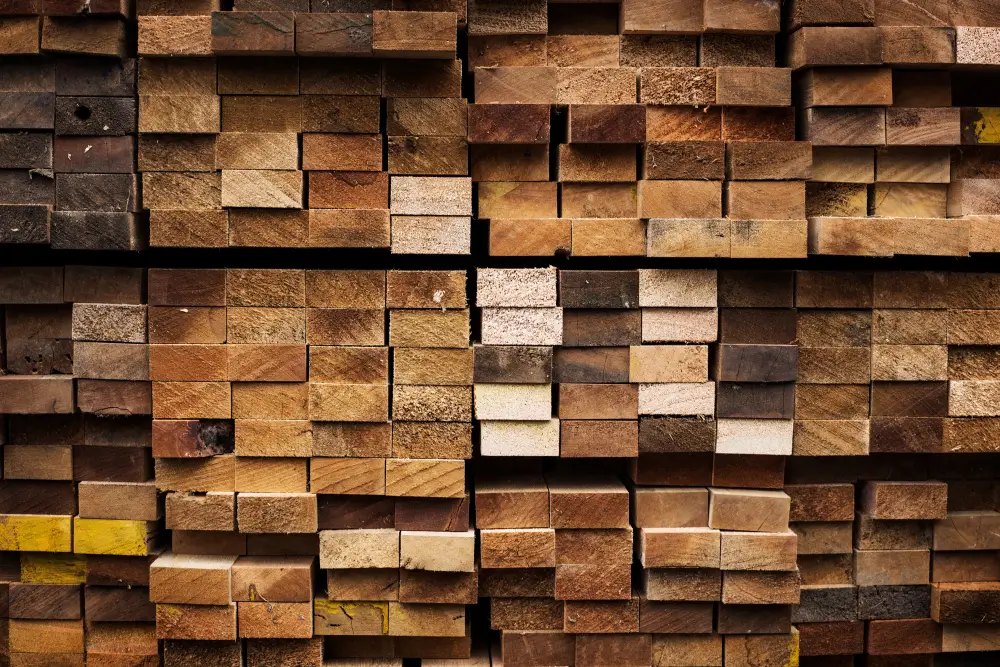
Ever stepped onto a deck that felt sturdy and looked beautiful, even after years outside? The right wood choice makes all the difference. Across Sacramento and Roseville, I’ve seen decks that stay strong for decades and others that wear out way too soon. The wood you pick is the starting point. It faces sun, rain, bugs, and even wild backyard games.
Let’s keep it simple. While there are many wood types, only a select few really work for decks that need to last. Here’s a breakdown of the favorites: some are high-end hardwoods, some are classic softwoods, and then there’s pressure-treated pine, which is everywhere. Each has unique strengths and drawbacks. Use the table below to compare durability, upkeep, price, and looks. Whether you want a deck that lasts longer than your grill or one that just looks great for family gatherings, you’ll find the right match here.
| Wood Type | Durability | Maintenance | Cost | Visual Appeal |
|---|---|---|---|---|
| Ipe (Brazilian Walnut) | Very high (25+ years) | Low to moderate (oiling for color) | High | Rich brown, smooth grain |
| Teak | High (20+ years) | Low (oiling optional) | Very high | Golden brown, tight grain |
| Mahogany | High (20+ years) | Moderate (needs sealing) | High | Reddish brown, fine grain |
| Redwood | Moderate to high (15–20 years) | Moderate (sealing recommended) | Moderate to high | Warm red tones, straight grain |
| Cedar | Moderate (15–20 years) | Moderate (sealing helps) | Moderate | Pale reddish, knotty look |
| Pressure-Treated Pine | Moderate (10–15 years) | Moderate to high (regular sealing) | Low | Varies, usually pale greenish tint |
Comparing Popular Options
Here’s a quick look at what makes each wood type stand out, along with a few things to watch out for.
- Ipe: Incredibly tough. I’ve seen ipe decks outlast several sets of patio furniture. It handles termites and rain with ease, but it’s heavy and can be hard on tools. The price is high, but it delivers long life.
- Teak: Known for use on boats. Teak stands up to moisture and sun. It’s expensive, but the golden look is classic. If left untreated, teak turns a soft gray over time.
- Mahogany: Dense and attractive. It resists pests and stays smooth. Needs regular sealing to hold its color, but it rarely splinters and has a refined look.
- Redwood: A local favorite. Naturally resists rot and insects. Easy to work with, but needs periodic sealing. Many redwood decks still look good after 15 years with proper care.
- Cedar: Smells great when cut and gives a warm, rustic feel. It’s softer, so expect some dents, but it holds up well against bugs and decay with regular sealing.
- Pressure-Treated Pine: Budget-friendly and widely available. It needs the most maintenance. If left alone, it can crack and warp, and termites may move in. But it’s easy to replace boards if needed.
From my experience, the best wood for your deck depends on your local weather, how much care you want to give it, and your budget. Some people love the deep browns of ipe, while others prefer the traditional look of redwood. Think about the effort you’re willing to put into upkeep – because even the strongest lumber benefits from a little attention over the years.
Stories from the Field
Let’s look at two real-life examples that show how the right wood and steady maintenance can make or break a deck.
The Peterson family in Citrus Heights chose redwood for their backyard deck. Redwood has a natural resistance to decay, but what really kept their deck in good shape was their habit of sealing it every couple of years. After eight summers and many rainy seasons, their boards stayed flat and the warm color barely faded. Occasional nail pops and a little fading showed up, but they handled these with quick weekend repairs. The biggest reason their deck stayed strong? They cleaned it and checked for issues every season.
Now, consider the Johnsons in Folsom. They picked untreated pine, hoping to save some money. They didn’t seal the boards or plan for regular care. Sacramento’s weather was harsher than they expected. After two years, the deck boards warped and spots of rot appeared. Termites moved in, and the structure quickly became unsafe. In the end, they had to replace the whole thing. They later admitted they wished they had asked for professional advice before choosing their materials, and they were surprised by how quickly wood can break down without basic upkeep.
Both stories show that picking the right wood is only half the battle. Consistent care is just as important for a deck that lasts.
Expert Advice
Over 15 years of building decks has taught me this: picking the right wood changes everything. Some choices hold up for years, others fall apart quickly. Good wood isn’t just about looks – it’s about how well it handles heat, rain, and everyday wear. I’ve worked on decks in places like Sacramento and Roseville, and the difference comes down to smart wood selection and honest advice from people who work outdoors every day.
Every builder I talked to said the same thing: climate makes the biggest difference. For example, cedar can look stunning, but if your yard gets a lot of sun and rain, you might need something tougher. One carpenter from Folsom told me,
“I’ve seen ipe decks handle 110-degree heat with no trouble, but untreated pine can crack and split before summer’s even over. Spend extra at the start on better wood, or you’ll end up paying more to fix problems later.”
Of course, your budget and style matter too. Mahogany gives a rich, classic look if you want to impress, but pressure-treated pine is a steady choice if you want to save some money for other backyard projects.
Maintenance is another big factor. Hardwoods last a long time but need regular oiling to keep their color. Softwoods can look great but may need more frequent care. My main advice: start by thinking about the weather where you live, then your budget, and finally what makes you happy to step outside. If you’re unsure, talk to a local builder who knows what works in your area. The best deck wood isn’t only about lasting a long time or keeping costs down. It’s about creating a space you’ll enjoy without constant repairs or stress.
Maintenance for Longevity
If you ask experienced Sacramento deck builders, they’ll agree: long-lasting decks come down to regular upkeep. The wood you pick matters, but what you do next matters even more. Some decks look great after decades, while others fall apart in just a few years. The difference is in simple habits like sealing, cleaning, and checking for problems before they grow.
Different woods need different routines. Hardwoods such as ipe and mahogany hold up well, but they still need oiling every year to stay strong and keep their color. Cedar and redwood look beautiful, yet they need a solid sealant to handle Sacramento’s dry heat and rain. Pressure-treated pine is popular for its price, but staining it every few years makes a big difference against moisture and bugs. Spending a little time with a brush and water helps your deck look fresh and saves money on repairs later.
- Sweep off leaves and dirt every week to prevent trapped moisture.
- Wash your deck with a mild cleaner in spring and fall.
- Look for loose boards, nails, or soft spots once a year.
- Oil hardwoods yearly; seal or stain softwoods every 2-3 years.
- Trim nearby plants so the deck can dry out after rain.
- After storms, check for rot or signs of pests.
No wood will last if ignored. Simple steps like these help any deck, from basic pine to pricey teak, stick around for years to come. Regular care protects your deck and keeps it comfortable for bare feet and backyard fun.
When Repairs Are Needed
Even top-quality deck wood can show problems over time, especially if it’s not maintained or isn’t the right fit for your climate. In Sacramento, I’ve seen beautiful decks turn rough and splintered within a few seasons. Issues like rot, warping, and termite damage are common. Watch for soft spots underfoot, boards that crack, bow, or cup, or small piles of sawdust near the wood. These are early signs that your deck needs attention. While redwood and cedar are known for their strength, they still need regular care. Skipping yearly inspections or letting water collect on the surface can lead to trouble. Pressure-treated pine does well, but only if the protective seal remains intact. If not, moisture and insects can move in quickly.
Addressing these warning signs early can save you from bigger repairs and higher costs later. If you keep finding soft spots, deep cracks, or evidence of pests after routine cleaning and sealing, it’s time to get help. Calling professional Deck Repair services can prevent minor issues from turning into major headaches. Sometimes, replacing a few damaged boards and resealing is enough. Other times, a full inspection and more serious repairs are needed. Quick action and regular checks will help keep your deck safe, attractive, and sturdy for many seasons.
Eco-Friendly Choices
If you want a deck that’s both attractive and gentle on the environment, there are several sustainable wood options to consider. Look for wood with an FSC (Forest Stewardship Council) certification. That label means the wood comes from forests managed responsibly, with an eye toward long-term health and renewal. Using FSC-certified redwood or cedar helps protect old-growth forests and supports better forestry practices. These options are available in many regions, and they’re becoming easier to find at local suppliers.
Sustainability can mean making a few decisions. Some woods, like responsibly sourced ipe, offer outstanding durability but are shipped from far away, adding to their environmental cost. Fast-growing softwoods such as pine or Douglas fir grow back quickly and are often less expensive, but they may not last as long as dense hardwoods. Certified or reclaimed woods sometimes carry a higher initial price, too. Composite decking is another option people consider, but nothing quite matches the feel of natural wood underfoot. The best choice depends on your priorities. Try to balance lifespan, environmental impact, and how you want your deck to look day after day. An FSC-certified cedar deck that’s well looked after can outlast a neglected composite deck. The most important thing is to pick a wood that fits your values and plans, and then take care of it for years to come.
Making the Right Choice
Choosing the best wood for your deck can be a big step. But with the right information, it gets a lot easier. After years of working on decks around Sacramento, I’ve seen what works and what doesn’t. Good results come from a bit of planning, honest advice, and knowing what fits your space.
- Climate: Does your yard get heavy rain or strong sun? Some woods handle moisture or heat better than others.
- Durability: Will your deck see lots of foot traffic, or will it be a quiet retreat? Harder woods last longer and need less care.
- Maintenance: Be realistic about how much time you want to spend on upkeep. Some woods need more cleaning and sealing than others.
- Budget: Stick to what works for you. There are strong options at nearly every price.
- Aesthetics: Think about the look you want. Some people love rich, dark tones; others prefer something light and simple.
- Sustainability: If you’re focused on the environment, look for certified woods or ask about where the wood comes from.
No single wood is right for everyone. Your best option depends on your climate, your style, and your daily routine. Take some time to weigh these points. The right choice will make your deck a place you enjoy for years to come.
