

Deck Building Cost Guide in Sacramento
Thinking about building a deck in 2026? Be prepared for a wide range of deck building costs. For most homeowners, a new deck will cost anywhere from $7,000 to $22,000. Projects at the higher end can go well beyond that, depending on your choices. The big factors are material, deck size, local labor rates, and extras like built-in benches or wraparound layouts.
Before you get too attached to a design, set a clear budget. It’s easy to get inspired by dream decks online, but costs can climb quickly. Deck size, your chosen materials, and upgrades like lighting or custom rails all add up fast. Sometimes, the ground itself can bring extra costs if the site needs special prep or support. Planning your budget early helps you make smart design decisions and avoid surprises.
This guide offers a step-by-step look at what really shapes deck building costs in 2026. You’ll find average price ranges, a breakdown of material options, labor and permit fees, and a look at upgrades. Real examples and practical tips are included to help you make every dollar count. Ready to start planning? Let’s dig into the details and help you build a deck that fits your space and your budget.
Deck Building Costs National Averages
Deck costs in 2026 are higher than in past years, and prices continue to shift. For most homeowners, building a deck will cost somewhere between $7,000 and $22,000. That’s a broad range. On average, expect to pay $25 to $70 per square foot. This includes basic materials like pressure-treated wood or entry-level composite boards, plus straightforward labor. For example, a simple 200-square-foot deck might cost as little as $5,000. A large 500-square-foot deck with extra features can reach $35,000 or more.
These averages usually include deck boards, framing, basic railings, hardware, and the main construction work. However, several things are often left out of these estimates. Removing an old deck, adding custom upgrades like built-in seating or multi-levels, or paying for permits and design services all raise the total cost. A simple square deck is one thing, but extras can change the price quickly. When you hear an average deck cost, think of it as a starting point. Your final price depends on your choices and the unique details of your project.
How Deck Size Impacts Total Cost
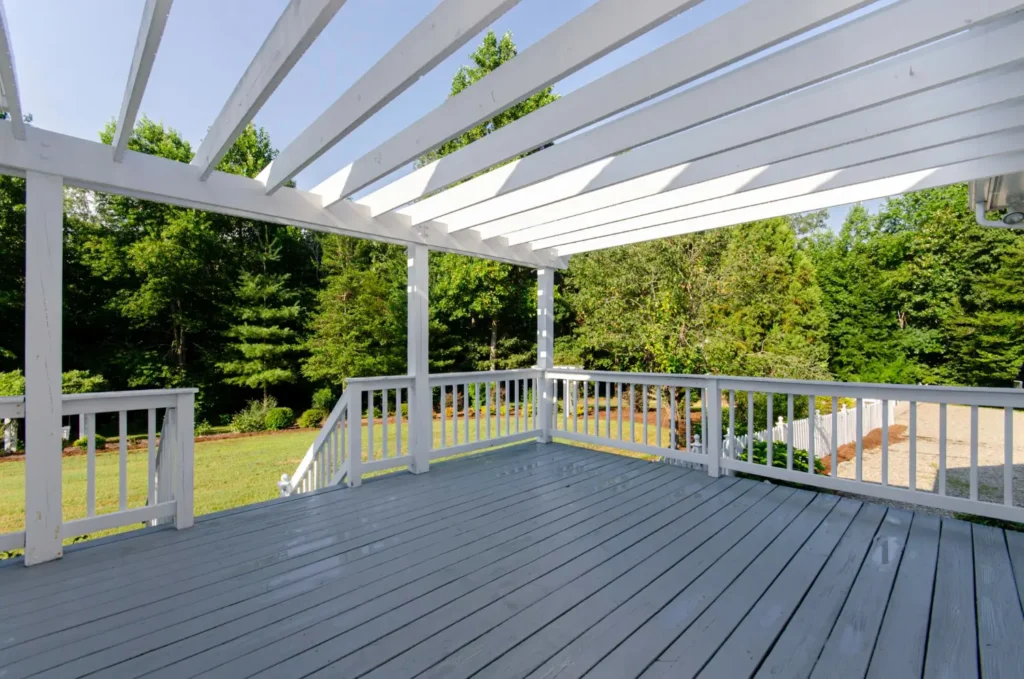
Deck size is the number one factor shaping your total project cost. The bigger your deck, the more you’ll spend on materials and labor. Each extra square foot means more boards, more support posts, more hardware, and more time for your builder. Even a small change in size can make a big difference in your budget.
Let’s look at the numbers from earlier. Across the country, a basic deck usually costs $25 to $70 per square foot for materials and labor. A 10×10 deck (100 sq ft) might set you back $2,500 to $7,000. Go up to a 12×12 deck (144 sq ft), and now you’re in the $3,600 to $10,000 range. Those extra few feet increase the total cost fast, especially if you choose composite decking or detailed railings.
Bigger decks bring bigger price tags. For example, a 14×20 deck (280 sq ft) falls between $7,000 and $19,000, depending on materials and features. A 20×20 deck (400 sq ft) can cost anywhere from $10,000 to $28,000 or more. While the price per square foot sometimes drops a bit for larger decks (since certain costs are fixed), the overall price keeps climbing. Many homeowners are surprised when they see how much extra space can add to their estimate.
If you’re choosing between sizes, keep in mind that everything grows with your deck: not just the floor boards, but also railings, stairs, and support posts. It’s smart to sketch out your ideas and price a few different sizes before making a decision. Once you build, changing the size means starting over, so take your time and pick what works best for your budget and lifestyle.
Decking Material Costs
Choosing a decking material shapes both your build budget and your long-term satisfaction. Every option has its own price range, strengths, and care routine. In this section, you’ll see the actual costs, pros, and cons of wood, composite, PVC, and metal. These numbers reflect what you’re likely to pay in 2026, with some tips on what to expect for durability and upkeep.
Wood Options
Wood remains popular for its natural look and feel. Pressure-treated lumber is the most affordable – usually $3 to $7 per square foot. It’s easy to find and offers a classic style. However, it needs regular sealing and staining. Without maintenance, it can wear out fast. Cedar and redwood cost more, often $7 to $12 per square foot. They resist decay better and bring out a warm color. Still, they need regular care to stay beautiful. Exotic hardwoods like ipe or tigerwood cost $10 to $18 per square foot. These boards last for decades and handle weather well, but they are hard to work with and require more effort to install. All wood options need some level of upkeep – neglect can lead to expensive repairs.
Composite and PVC Decking
Composite and PVC decks are popular with homeowners who want to skip sanding and staining. Most composite brands start around $8 per square foot, with premium lines reaching $15 or more. These boards come in many colors and styles. They resist rot, insects, and fading. Top brands like Trex, TimberTech, and Fiberon offer long warranties, sometimes 25 years or more. Composites can get hot in direct sun and might show scratches from furniture. PVC costs about the same as upper-end composites. It is even more weather-resistant, but some people find it looks less like real wood. For more tips on picking the right boards, explore this guide.
Metal and Aluminum Decking
Metal deck materials, especially aluminum, have a smaller fan base but clear benefits. Aluminum usually costs $12 to $15 per square foot. It won’t rot, warp, or burn, and it never needs painting. Aluminum is lightweight and strong, making it a smart choice for rooftop decks or areas with wildfire risk. However, it can sound louder during rain, and some homeowners don’t like how it feels underfoot. Metal decks stand out for modern looks and zero-maintenance needs.
Each material fits a different budget and style. Wood is affordable and traditional. Composites save time on upkeep. Metal works for special needs or modern designs. To compare details and see which option fits your lifestyle, again, take a look at our deck materials guide. It will help you make a confident choice without second-guessing.
Labor and Contractor Pricing
Labor is often the single biggest surprise on a deck building bill. In most areas, including Sacramento, expect to pay $12 to $35 per square foot for labor alone. Sometimes, this equals or even exceeds what you spend on materials. Why does it add up so fast? Labor rates reflect experience, local demand, and the complexity of your design.
Simple, ground-level decks are the most affordable to build. If you add height, multiple levels, stairs, or custom railings, the labor cost rises quickly. Tight spaces, backyard slopes, or limited access make the job tougher and more expensive. Even adding built-in seating or shade structures pushes the price higher. Labor prices also spike during busy seasons. When contractors are in high demand, costs go up and schedules fill fast.
Budget tip: Stick with a straightforward design and try to schedule your project in the off-season if possible. Shifting your timeline by a month or two can open up more contractor options and may lower your final bill.
Thinking about building your own deck? DIY can save some money, but it comes with risks. Many homeowners start with good intentions but run into challenges or end up needing professional help to finish the job. Contractors bring skills, speed, and the right tools. They also know how to handle permits and inspections. If your project includes unique features or you want to avoid costly mistakes, hiring a pro is usually the smarter call.
Deck Demolition and Removal
Getting rid of an old deck is rarely simple. Sometimes, the problems are obvious: shaky railings or boards that feel soft underfoot. Other times, the deck might look okay but hide rot or code problems beneath the surface. If you plan to build a new deck or do a major upgrade, removing the old one is usually the first step.
Deck removal costs usually fall between $500 and $2,000 or more. The price depends on the size, material, and how much needs to be hauled away. Small, ground-level decks might be handled by a determined DIYer. Just know you could run into unexpected issues, like buried footings or stubborn fasteners. Hiring a contractor costs more, but professionals finish faster and handle disposal. They also know how to spot hidden hazards before they become a bigger problem.
People often wonder if old deck footings can be used again. Sometimes they can, if they’re solid, in the right place, and up to current codes. But if you plan to change your deck’s size or layout, new footings are usually best. When in doubt, talk to a local pro to avoid trouble later. If you want more details about removal or are deciding between repair and replacement, check out this helpful guide on deck repair. Always plan for a few surprises – sometimes a simple removal turns up more problems than expected, so keep some extra room in your budget.
Upgrading Deck Features
Upgrades are where a simple deck turns into a showpiece. This is your chance to move beyond a basic platform and add features that make your space stand out. Options like wraparound layouts, built-in seating, custom lighting, or multi-level designs all boost comfort and curb appeal. But each feature also increases your overall cost. Many decks start at a straightforward price, then climb quickly with the addition of just a few extras.
Every upgrade starts with the basics: foundation, frame, and main surface. From there, you can add features one at a time. Some, like benches or planters, are easy add-ons. Others, such as multi-level decks, need more framing, stairs, or railings and can completely change the build. Even small projects like installing LED lights or custom railings can add up, especially if you choose premium materials or unique designs.
- Wraparound or L-shaped deck: Adds 20-40% to basic costs, depending on the design
- Built-in benches and seating: $40-$150 per linear foot
- Integrated deck lighting: $500-$3,000+, depending on type and coverage
- Multi-level or split-level design: Adds 25-60% more for extra framing, stairs, and railings
- Built-in planters or storage: $200-$1,000+ each, based on size and materials
- Custom railings (cable, glass, metal): $50-$250 per linear foot
- Outdoor kitchens, fire pits, or hot tub areas: $2,000-$10,000+ depending on scope
To avoid overspending, focus on features that matter most to your daily life. Start with the essentials, then add upgrades that truly improve how you’ll use your deck. Keep your earlier cost calculations nearby while you plan. Each extra pushes your project total higher, so choose what fits your budget and your goals.
Foundations and Structure
The strength of a deck starts at the ground. If the base isn’t reliable, nothing above it will last. Builders use a few main types of foundations. Concrete blocks are the most affordable for low or ground-hugging decks. They cost around $10 to $20 each. For most standard decks, poured concrete piers are the go-to option. These often cost several hundred dollars for a simple layout, but costs rise quickly if your yard is sloped, has clay soil, or the deck is large.
Some projects use helical piles. These are large metal anchors twisted deep into the soil. They’re the most expensive choice, but offer the best support for tough ground or heavy-duty decks. If you’re planning to add a hot tub, outdoor kitchen, or any heavy feature, you’ll need bigger footings and stronger supports. This can increase foundation costs in a hurry.
Sloped lots, poor drainage, and complex designs all add to the price. It’s smart to plan your budget around the foundation first. Any upgrades, like expanding the deck or adding custom features, will require stronger – and more costly – supports. Think of the foundation as the safety net for your entire deck project. It may not be the most exciting part, but it’s crucial to get it right.
Permits and Inspections
Before building your deck, there’s an important step you can’t skip: permits and inspections. In most parts of California, including Sacramento, you need a permit if your deck is attached to your home or built higher than about 30 inches above the ground. Permit fees usually range from $100 to $900. The price depends on your city, the size of your deck, and how complicated the project is.
Small, simple platforms sometimes qualify for a minor permit. Larger or raised decks require a full building permit and plans. If you skip this paperwork, you could end up with fines or even have to remove your deck. Trying to avoid this step rarely works out well.
Most professional contractors will handle permits and inspections for you. They’ll draw up plans, submit everything to the city, and schedule all required inspections. Before you start, ask if permit fees are included in your estimate or if you’ll pay them separately. Some cities process permits quickly, while others take much longer. Taking care of your paperwork early helps avoid delays and stress.
- Find out what permits your city requires for decks
- Gather your site plan and deck design
- Submit the permit application (your contractor can often do this)
- Pay the permit fee
- Schedule inspections for footing, framing, and final approval
- Wait for the final sign-off before using your new deck
Example Budget Breakdown
Here’s a step-by-step look at what a real budget might look like for a new, mid-sized deck. We’ll use 300 square feet as the example. This is a popular size for families who want space for a grill, table, and seating, but don’t want to take over the whole yard.
Start with materials. For a 300 sq ft deck built with pressure-treated lumber (about $5 per sq ft), you’ll spend around $1,500. If you choose composite instead, expect the materials to cost $6,000 or more. Labor usually runs between $15 and $25 per sq ft, depending on the job. For a simple project, that’s $4,500 to $7,500. If you need to remove an old deck, demolition can add about $1,000. A basic foundation (like poured concrete piers or deck blocks) often costs around $2,000. Don’t forget about permits. In many California cities, these range from $350 to $700.
Here’s what the numbers look like for a pressure-treated wood deck, using mid-range estimates:
| Item | Estimated Cost |
|---|---|
| Materials (pressure-treated wood) | $1,500 |
| Labor | $6,000 |
| Demolition | $1,000 |
| Foundation | $2,000 |
| Permits | $500 |
| Total | $11,000 |
If you pick composite decking, the total can jump to $15,000 or higher. Add extras like a custom railing, built-in lighting, or a second level, and costs will rise. This shows how every choice, from materials to features, affects the bottom line. Keeping your priorities clear makes it easier to keep the project affordable. Focus on what you’ll truly use, and you’ll avoid surprises when it’s time to pay the bill.
Ways to Save on Your Deck
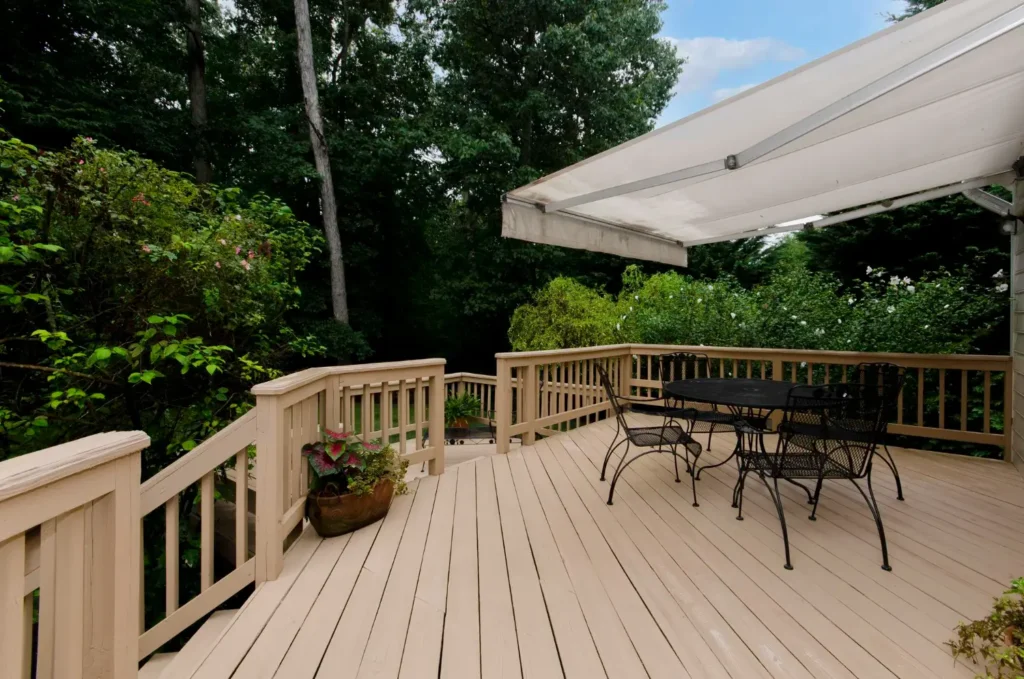
Deck building costs can add up fast, but there are plenty of ways to keep your project affordable. The right choices can help you stay on budget without sacrificing quality. Start by choosing cost-effective materials. Pressure-treated wood often offers the best value for most homeowners. With basic care, it lasts for years and looks great.
Keep your design simple. Straight, rectangular decks are less expensive to build than complex shapes. Skipping extras like curved stairs, built-in benches, or custom inlays can save you a lot. You can always add upgrades later when your budget allows.
If your existing deck frame or footings are still strong, consider reusing them. This move alone can cut thousands from your total. Always check for damage or code issues before you reuse anything. Building during slower months (late fall or winter) may lead to lower contractor prices and fewer delays. Another smart step: get quotes from several contractors. Prices vary more than you might expect, and comparing bids gives you more control.
Before you lock in any decisions, use a calculator to double-check your numbers. It’s a simple way to spot any budget surprises before work begins.
Money-saving tip: “Don’t settle on the first design you see. Just one small change – like a basic railing instead of custom options – might leave room in your budget for better materials or future upgrades.”
Planning Your Deck Budget
Deck costs can surprise even the most prepared homeowners. You might begin with a clear plan, only to watch the total climb as you add a second set of stairs, choose a different railing, or discover your old footings need replacing. It’s easy to get carried away by design ideas. If you don’t set aside extra funds, the final bill may be much higher than you expect. Add a 10-15% cushion to your budget from the beginning. This extra amount helps cover unexpected fees, like special deliveries or extra wood when your measurements run short.
Don’t forget about ongoing care. Some materials, such as composite decking or aluminum, cost more upfront but need less maintenance. Pressure-treated wood might be cheaper at first, but you’ll likely spend more time and money on sealing, staining, and repairs. Think about the weather and climate in your area, too. If you want custom features, like built-in seating or lighting, plan for those costs now and in the future. Before making final decisions, review the material and upgrade sections. Plan with the long term in mind – your future self will appreciate it.
Top Composite Deck Brands
Several names stand out in composite decking: Trex, TimberTech, Fiberon, and MoistureShield. Each brand brings its own advantages. Trex is well known for its affordability and broad availability. TimberTech appeals to homeowners who want a polished look and strong warranties. Fiberon is a favorite for eco-friendly lines and bold color options. MoistureShield is often chosen for areas with harsh weather or extreme temperature changes.
Material prices usually start around $9 per square foot and can climb to $15 or more, depending on the brand and product line. Entry-level options suit budget projects, while premium lines offer features like stain resistance and colors that stay vibrant over time.
The right brand for your project depends on what matters most: cost, appearance, or long-term performance. For a closer look at how these brands compare, visit this detailed guide on top brands for composite decks. It breaks down features and helps you make the best choice for your deck.
Matching Deck to Budget
Getting your ideal deck and staying on budget takes a careful balancing act. Start with your true spending limit. Use that number to make decisions about deck size, materials, and extra features. If the price for a big 20×20 foot deck is too high, consider a smaller 12×16 layout instead. Material choice matters, too. Composite decking looks great, but pressure-treated wood can lower costs and leave room for upgrades like better railings or built-in seating.
Many homeowners get inspired by stylish designs online and then face sticker shock. To avoid this, use the cost breakdowns from earlier sections as a guide. Remember, the larger the deck, the higher the expenses for both materials and labor. Every added feature, such as lighting, wraparound steps, or custom railings, increases the final total.
Think about how you’ll use your deck. Sometimes, a simple platform with a good finish and comfortable chairs creates the perfect hangout. More complex designs can bring more maintenance and higher costs. For long-term value, put money into a strong frame and foundation first. Upgrades can come later, as your budget allows.
Planning ahead helps prevent surprises. Check out the tips in the planning section to set aside extra funds for unexpected expenses. Review each cost section before making choices in the hardware store. Striking the right balance is key. After years of building decks, I can say that a thoughtful plan matched to your budget always pays off.
When to Hire a Pro
Building a deck yourself can be rewarding, especially for simple, low-to-the-ground platforms. Watching a few how-to videos might help for those basic projects. But when height, multi-levels, or sloped yards come into play, hiring a professional makes sense.
Safety and code rules are serious. If you’re working with tall decks or anything that needs permits, the process gets complicated fast. Local building departments have strict requirements, and approvals can slow you down if you’re not familiar with the steps. Experienced contractors handle permits and know exactly what building inspectors expect. This saves time, stress, and sometimes extra costs from unexpected mistakes.
Problems with DIY often show up after the fact. I’ve seen decks where beams sagged or stairs felt weak, turning those early savings into bigger repair bills. Labor costs from a contractor aren’t just about tools – they include knowledge, efficiency, and attention to detail. Removing an old deck can also be tricky. Hidden issues like damaged footings or rot are easier for a pro to spot and fix safely.
If you have building experience and plenty of spare time, doing it yourself could reduce costs. But professionals offer warranties, faster results, and a finish you’ll be proud to use for years. For complex projects or anywhere safety is a concern, bringing in a pro is usually the best choice.
Sacramento deck building costs
Deck construction in the Sacramento area typically runs slightly higher than the national average, mainly due to labor rates, permit requirements, and strong seasonal demand. Most homeowners should expect a realistic total cost between $10,000 and $22,000 for a professionally built deck, depending on size, materials, and complexity.
Average cost per square foot in Sacramento
For most standard projects, deck pricing in Sacramento falls in the range of $35 to $65 per square foot. Smaller, ground level decks using pressure treated wood may land closer to the low end, while larger or elevated decks with composite materials tend to push toward the higher end of the range.
Labor costs in the Sacramento region
Labor is one of the biggest cost drivers locally. Skilled deck labor in Sacramento generally ranges between $18 and $35 per square foot. Prices increase for raised decks, tight access yards, hillside properties, or projects that require additional structural reinforcement.
Material pricing and availability
Decking material costs in Sacramento are generally in line with California averages. Pressure treated lumber remains the most budget friendly option, while redwood and composite decking are more expensive but popular due to their durability and appearance. Composite materials are often chosen to reduce long term maintenance, even with higher upfront costs.
Seasonal demand and timing
Spring and summer are peak deck building seasons in Sacramento, which often leads to higher labor pricing and longer scheduling lead times. Homeowners who can build during late fall or winter may see better availability and occasionally lower labor costs, weather permitting.
Permits and local requirements
Most deck projects in Sacramento require a building permit, especially for elevated decks or structures attached to the home. Permit and inspection fees typically add several hundred dollars to the overall project cost and vary slightly depending on the city or county jurisdiction.
Realistic local budget expectations
A common mid sized deck around 200 to 300 square feet in Sacramento often lands between $12,000 and $18,000 when professionally built. Larger decks, multi level designs, or projects using premium materials can exceed $20,000.
Why Sacramento costs can exceed national averages
Projects in Sacramento may cost more due to stricter building standards, higher labor demand, and increased material pricing during peak construction seasons. Homes with older structures may also require upgrades to footings or framing, which adds to the total cost.
This local context helps homeowners plan more accurately and avoid underestimating the true cost of building a deck in the Sacramento area.
Final Thoughts on Deck Building Costs
Building a deck takes more than picking a style and hoping for the best. Costs add up quickly, and surprises can pop up even when you think you have it all figured out. Careful planning and an honest budget are the best ways to avoid problems. Start with the numbers, research your options, and give yourself a little extra for unexpected changes. Even experienced builders still run into surprises after years in the business.
If you’ve read this guide, you have a solid starting point for your own project. Use the cost breakdowns and tips above to help make decisions. Don’t rush the process. Think ahead about cleaning, repairs, and how your deck will last through many seasons. Keep this guide as a reference as you gather estimates and consider upgrades. A little extra work at the start means more time relaxing on your deck later, and less time stressing over missed details.
