

TimberTech Decking review
If you’ve ever spent a Sacramento summer afternoon pulling up warped deck boards or sanding away splinters, you know why low-maintenance decking is so appealing. That’s where TimberTech steps in. These days, more homeowners are curious about it. TimberTech is known as a high-end decking option, promising less time spent on upkeep and more time relaxing outside. But does it actually live up to the hype? And what should you expect if you pick TimberTech for your own backyard?
After years fixing decks from Folsom to Elk Grove, I’ve seen every kind of material out there. Some are great, some are frustrating, and some just don’t last. TimberTech gets a lot of attention for its promises: no splinters, minimal fading, and a wood-look finish that can fool the neighbors. But most homeowners are after real answers, not just advertising. They want to know how these boards perform, how much maintenance is needed, and whether the higher price is truly justified compared to wood or other composite brands.
This review takes a close look at those questions. I’ll compare TimberTech with other leading brands, share insights from past projects, and include honest feedback from homeowners who use these decks every day. You’ll find technical info, design details, and some drawbacks to be aware of. The goal is to give you a clear, practical look at TimberTech decking – based on experience, expert input, and real stories. Next, let’s look at who makes TimberTech and why their reputation matters for your next outdoor project.
Understanding the TimberTech Brand
If you’ve started looking at deck materials, TimberTech is a name that pops up again and again. In Sacramento, their boards show up in new construction and backyard upgrades alike. TimberTech has been making decks since the late 1990s. Even as more brands have entered the space, they’ve kept their spot as a leading choice for composite and PVC decking.
The company’s background adds another layer. TimberTech joined with AZEK several years ago, so you’ll notice some boards called TimberTech AZEK, while others are labeled TimberTech PRO or EDGE. AZEK focuses on PVC, which is known for water resistance and easy cleaning. TimberTech’s composite boards mix wood fibers with recycled plastic, offering a different texture and performance. By 2022, James Hardie, famous for fiber cement siding, took over TimberTech. This brought extra resources and building know-how to the brand.
Ask deck builders or homeowners who have used TimberTech, and you’ll hear similar comments: it looks sharp, holds up well, and costs more than basic options. Many people feel the extra cost is worth it for long-term durability and appearance, especially in places with hot summers and wet winters. TimberTech often gets compared to brands like Trex and Fiberon. But their choice to offer both PVC and composite options keeps them on many buyers’ lists. Whether you hire a pro or do it yourself, TimberTech is seen as a solid pick for anyone wanting a deck that can handle years of use and still look great.
What Sets TimberTech Apart
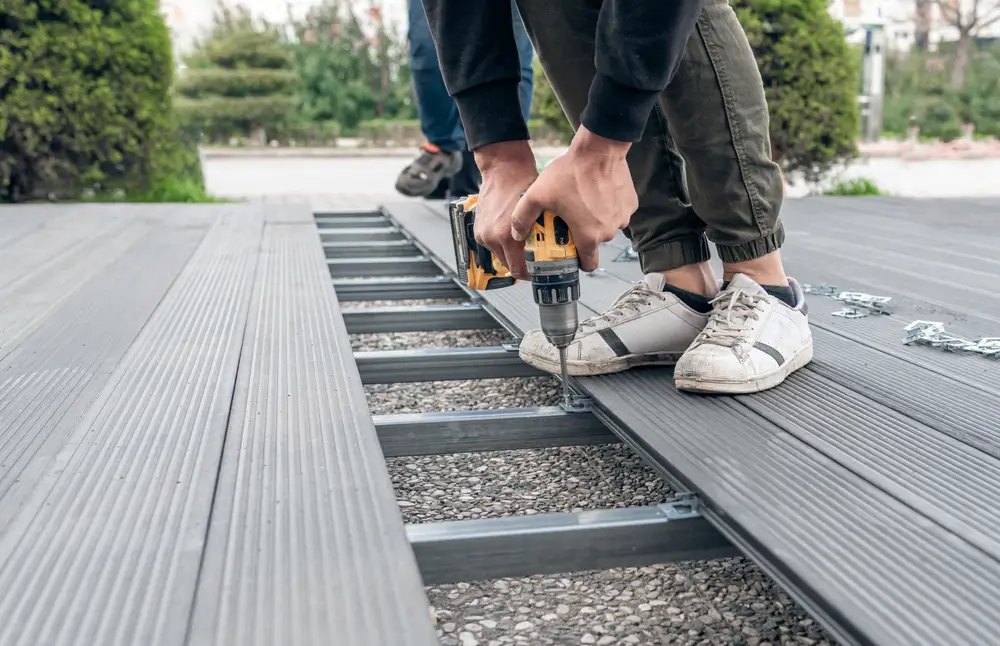
TimberTech stands out because it offers both PVC and composite decking. Some brands only focus on one or the other, but TimberTech covers both options. The AZEK PVC collections are great for those who want strong moisture resistance, especially for decks near water. Their composite lines use a blend of recycled wood and polymers, offering a natural look with added durability. This gives homeowners and builders more choices to match their needs and style.
Design is another big reason TimberTech gets attention. The boards show impressive color depth and realistic wood grain patterns. Sometimes it takes a close look to tell them apart from real wood. Many homeowners and contractors want a deck that looks high-end and stands out as a main feature, not just another outdoor surface. TimberTech’s focus on appearance, along with generous warranties, appeals to anyone who wants lasting beauty. These qualities keep coming up when people talk about how well the boards handle weather, sunlight, and everyday use. The boards look good now, and they keep looking good over time. That matters a lot, especially for those searching for premium decking.
Breaking Down TimberTech Decking Materials
If you’ve ever replaced rotten deck boards after a wet winter, you know why newer materials matter. TimberTech makes two main types of decking: AZEK boards made from PVC, and composite boards made from a blend of wood fibers and recycled plastic. Each one fits different needs, and knowing the basics can help you choose what’s best for your yard or even for a deck near water.
AZEK boards have no wood in them at all. Since they’re built from solid PVC, they don’t absorb water. That comes in handy around pools, lakes, or anywhere the deck stays damp. I’ve seen AZEK boards stay strong even after years in wet spots where regular wood or composites would have started to soften. They’re also tough against bugs and rot, which is important in places that get both heavy rain and hot summers. TimberTech’s composite lines, like PRO and EDGE, use a mix of wood and plastic. They feel and look more like natural wood. The cap on these boards helps keep out most moisture, but they still do best in areas that dry out quickly after storms.
If your deck is built near a sprinkler, in deep shade, or close to water, I usually suggest going with AZEK. For a sunny backyard, the composite boards are a good balance of style and strength. Both options will hold up against termites and most pests you’ll find in the garden. To see more technical details, check out TimberTech’s decking overview. In my experience, either product line will last longer than wood, as long as you pick the one that matches your conditions. This way, your deck will look good and stay solid for years.
TimberTech Collections and Design Choices
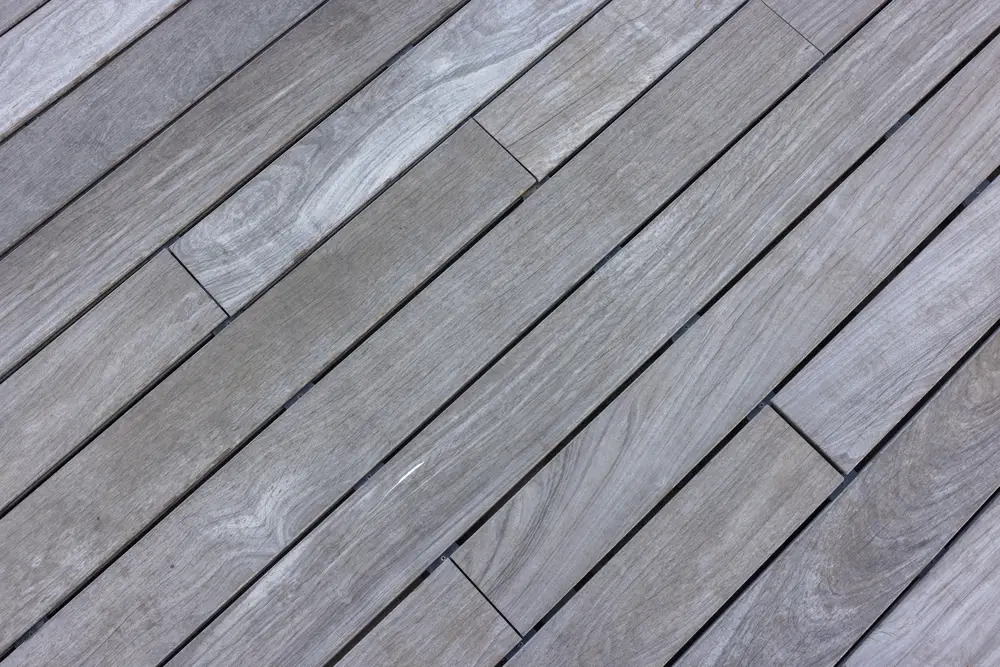
TimberTech offers a wide range of decking options to fit all sorts of tastes and budgets. Their main collections are AZEK, PRO, and EDGE. Each group stands out for different reasons. AZEK is the high-end pick, known for its rich wood looks and tough PVC construction. PRO collections bring more color variation and realistic finishes, but use composite for the core. EDGE is the affordable choice, offering simple styles that still look good and hold up well.
I’ve worked with all of these in different backyards around Sacramento. The differences are easy to see and feel. AZEK Vintage boards have deep, hand-scraped textures that look like real wood. Landmark offers a weathered, coastal look. Harvest keeps it clean and classic. PRO Legacy stands out for color movement and a natural surface. Reserve and Terrain add more choices, from rustic browns to modern grays. EDGE includes Prime+ and Premier, which are great for rental properties or anyone who wants a nice-looking, simple deck without a big price tag.
Comparing TimberTech Collections
| Collection | Core Material | Price Tier | Finish/Look | Best Use |
|---|---|---|---|---|
| AZEK Vintage | PVC | Premium | Hand-scraped, realistic wood | Luxury decks, waterfront |
| AZEK Landmark | PVC | Premium | Weathered, reclaimed look | Coastal, historic homes |
| AZEK Harvest | PVC | Mid–Premium | Classic, solid color | Traditional styles |
| PRO Legacy | Composite | Premium | Hand-scraped, varied color | Upscale, custom builds |
| PRO Reserve | Composite | Mid | Deep wood tones, wire-brushed | Family decks, high-traffic |
| PRO Terrain | Composite | Entry–Mid | Subtle grain, easy color | Everyday use, budget builds |
| EDGE Prime+ | Composite | Entry | Simple wood grain | Rental, starter decks |
| EDGE Premier | Composite | Entry | Solid color, basic grain | Cost-sensitive projects |
TimberTech’s color selection is impressive. You’ll find more than just browns and grays. There are soft taupes, deep charcoals, and driftwood options too. Some boards use wire-brushed surfaces, while others have a hand-scraped finish. Walk barefoot across a few samples and you’ll notice the difference right away.
Finishing touches matter. TimberTech makes it easy to match railings, fascia, and even lighting. The whole deck can feel like one complete design instead of a mix of random parts. Accessories like end caps and fastener plugs keep the look tidy. If you care about details, you’ll appreciate how these pieces fit together without fuss.
Installation Options for TimberTech
Getting installation right is just as important as choosing quality deck boards. TimberTech offers several ways to secure your decking, which is helpful if you want options for different projects. Their hidden fastener systems create a smooth, screw-free look. This is ideal if you prefer a clean surface and want to avoid snags or stubbed toes.
If you like a more classic approach, or you’re working with certain TimberTech collections, color-matched screws are available for fastening from the top. There’s also a side-fastening method. It gives a tidy finish but takes a bit more time and patience. Each option is designed to make the boards last and look good for years.
TimberTech decks need careful spacing and airflow, especially for their PVC boards. For example, TimberTech AZEK suggests at least a 1/8″ gap between boards and plenty of ventilation underneath. Ignoring this can lead to problems like trapped moisture or boards that warp. Joist spacing matters too. Most composite lines need 16″ on center, while PVC boards can be installed as close as 12″ for extra support. Some brands cut corners here, but TimberTech is strict for a reason.

Installation Best Practices:
– Check joist spacing: 16″ for composite, 12″ for PVC.
– Leave proper gaps for drainage and expansion.
– Use hidden fasteners or color-matched screws for a neat finish.
– Make sure air can move under the deck – don’t block it off.
– Always follow TimberTech’s guides, even if you have experience. It prevents issues down the line.
Real-World Durability and Performance
Decks around Sacramento get put to the test. There’s strong sun, surprise rain, and plenty of backyard traffic. Homeowners want to know if TimberTech decking can actually handle all this once it leaves the store. From what I’ve seen, TimberTech’s durability is real. Over the years, their boards have taken a lot of punishment and still looked good. People always ask if these composite and PVC boards can resist moisture, fading, and daily wear.
Let’s break it down. TimberTech’s AZEK (the PVC line) is nearly waterproof. You can build it near lakes or in shady, damp yards and not worry about swelling or soggy boards. Mold and insects don’t seem to bother it either. For anyone with lots of shade or areas that never dry, this matters. The composite lines (PRO and EDGE) use a strong cap to fight off fading and stains. They do well unless they’re in constant moisture. As for scratches, both types are tough against regular use, but dropping heavy tools or dragging metal chairs can leave marks. Textured finishes help hide minor scratches over time.
Here’s an example. Last year, I replaced a deck in Carmichael that sits in shade and gets soaked every winter. The old wood was soft and starting to rot (check our Dry Rot Repair service). The homeowner chose TimberTech AZEK. A year later, the deck still looked new. There was no warping or green algae, and it felt solid underfoot. For composite boards, good spacing and airflow are important. I’ve seen them last in tough spots, as long as they’re installed correctly. Still, for the wettest conditions, I recommend PVC. TimberTech lives up to its promise for durability, but choosing the right product for your area is key.
Comfort in the Sun
Anyone who has walked barefoot on a deck in summer knows that the boards can get hot fast. TimberTech’s AZEK PVC decking stands out when it comes to comfort underfoot on sunny days. Lighter colors help keep things cooler, while darker shades will still heat up in direct sun. This is true for almost every brand.
From experience, AZEK PVC boards cool down faster than most composite options. That’s a big plus if your deck gets full afternoon sun. Even so, no deck stays cool in triple-digit heat, but you might notice a difference with TimberTech’s PVC lines.
The type of material makes a noticeable impact. TimberTech’s PVC absorbs less heat and sheds it quicker than their composite boards. Color plays a big role too. Lighter tones are easier on bare feet and usually measure a few degrees cooler than darker colors. In side-by-side tests, TimberTech AZEK’s pale boards often feel a little cooler than similar products from Trex and other composite brands.
For the most comfortable experience, choose a lighter color and consider the AZEK PVC line if your deck gets lots of sun. While no synthetic deck matches the coolness of grass, you can avoid burning your feet if you pick the right combination of material and shade.
Easy Maintenance
Most homeowners want a deck that’s easy to live with, not one that demands endless chores. TimberTech decking checks that box. You won’t need to sand, stain, or seal these boards. Forget about spending sunny weekends fussing with messy coatings. For regular cleaning, a garden hose, soft brush, and mild soap are usually all it takes to wash away dirt or pollen.
Even after storms or peak pollen season, grime comes off with little effort. That doesn’t mean your boards will always look untouched. All decks show a little wear over time. But TimberTech holds its color and finish much longer than wood. A quick rinse now and then helps keep things looking sharp. Dropping a grill or dragging heavy furniture may leave a mark, but most scuffs, muddy footprints, and food spills wipe away easily. Try these simple steps for ongoing care:
- Rinse off dirt and leaves every few weeks, especially in damp or shady spots.
- Use a soft-bristle brush with mild soap for tougher spots. Skip harsh chemicals.
- Clean between the boards with a plastic scraper to keep water flowing through.
- Avoid power washing on the highest setting. This can harm the finish.
- Check under planters or rugs every so often for trapped moisture.
Warranty and Long-Term Peace of Mind
Most people don’t think much about deck warranties until something goes wrong. If you’ve spent years repairing decks in places like Sacramento, you learn just how valuable a good warranty can be – especially if you plan to sell your home someday. TimberTech stands out here. Their capped polymer (AZEK) boards come with a 50-year fade and stain warranty and a limited lifetime structural guarantee. The composite options (PRO and EDGE) usually offer 30 years for fade and stain, and 25 to 30 years for structural coverage, depending on the series.
These warranties matter for real-world problems. They protect against fading from strong sun, stains from food and drink, and even structural issues caused during manufacturing. Over the years, I’ve seen situations where having this kind of coverage meant a simple solution instead of a costly repair.
TimberTech also allows some warranty transfer to a new homeowner, usually for a set period. This can be a nice bonus if you ever decide to move, and it may even boost your home’s value. Compared to brands like Trex, which sometimes offer shorter coverage on their entry-level products, TimberTech’s warranty feels generous. For both homeowners and realtors, knowing that the deck is covered long-term brings real confidence. It helps you trust that your investment will last, and you won’t be stuck with unexpected problems down the road.
What to Expect for Cost and Value
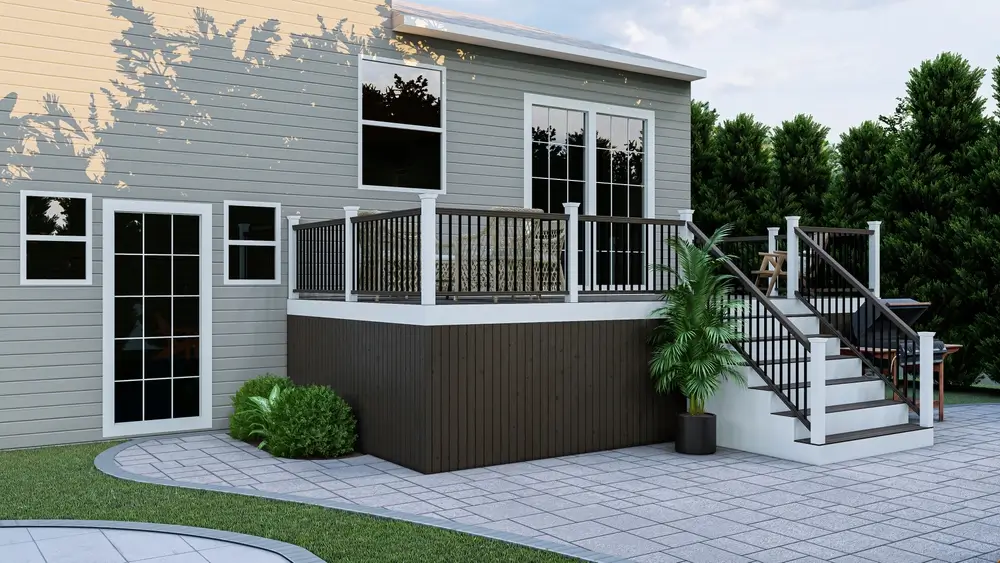
TimberTech is known for its premium pricing, and that reputation holds up when you look at the numbers. This brand splits its decking into three main price levels: EDGE (more affordable), PRO (mid-range), and AZEK (the highest tier, made from PVC). Each step up brings extra features, richer color choices, and a more lifelike wood appearance. You also see a jump in price as you move up the ladder.
For most homeowners, installed TimberTech decks typically cost between $13 and $25 per square foot. The EDGE series (Prime+, Premier) is the most budget-friendly and gives you entry into the TimberTech brand. PRO collections (Legacy, Reserve, Terrain) cost a bit more, usually around $17 to $20 per square foot. These lines offer thicker protective caps and more style choices. AZEK is the brand’s top offering, made entirely from PVC. It often lands in the $20 to $25 per square foot range. AZEK stands out for its water resistance, stain protection, and lasting good looks in sun or shade.
Compared to wood, TimberTech’s upfront price is higher. Pressure-treated pine or redwood is often about half the cost to install. But those savings can disappear over time. Wood decks need yearly sanding, staining, and repairs. TimberTech skips all that, saving money and time down the road. If you plan to stay in your home, the long-term value becomes clear. Plus, a low-maintenance, high-quality deck can boost your home’s appeal when it’s time to sell. That lasting value is a big reason many homeowners choose TimberTech over standard wood.
Comparing TimberTech and Trex
This is a common question among homeowners: Is TimberTech better than Trex, or are they mostly the same? Both brands have strong reputations in composite decking. You can create a great-looking, long-lasting deck with either option. Still, there are important differences to consider before making your choice.
TimberTech makes both capped composite boards and all-PVC boards. Their AZEK line is made from PVC and is lighter than composite. PVC boards are a top pick for pool areas or spots with regular moisture, like near sprinklers. Trex, on the other hand, focuses on composite decking only. Trex stands out for its use of recycled materials, with some boards containing up to 95% recycled content. If eco-friendliness is a top priority, Trex is a strong contender.
When it comes to appearance, TimberTech’s higher-end boards have realistic wood grain and a wide range of colors. Trex boards look clean and consistent across their lines, but recent collections have improved their style. In most cases, Trex costs less, especially for entry-level and mid-range products. For performance in hot, sunny climates, TimberTech’s PVC boards tend to stay cooler underfoot and resist stains slightly better. Both brands are tough enough for busy backyards, but choosing the right collection for your needs is important.
- TimberTech offers both composite and PVC materials. Trex uses composite only.
- Trex leads in recycled content and eco-friendly manufacturing.
- TimberTech’s top products have more wood-like looks and more color choices.
- Trex usually costs less. TimberTech’s premium lines excel in moisture resistance and design.
- Both last for years. Match the product line to your climate and how you’ll use your deck.
How TimberTech Stacks Up to MoistureShield
Comparing TimberTech and MoistureShield gives homeowners two strong choices for composite decking. Both are well-known brands with plenty of satisfied customers. Their main differences show up in how they handle water, durability, and installation.
MoistureShield is popular for its full core protection. The boards are sealed all the way through, even after cutting. This helps keep out moisture and makes MoistureShield a solid pick for decks right on the ground or even near water. TimberTech’s approach depends on the product line. The AZEK series (made from PVC) works well near pools, docks, and other wet spots. However, TimberTech’s composite ranges like PRO and EDGE should stay above ground. If you care about scratch repair, MoistureShield’s surface sometimes recovers from scrapes a bit better. That said, TimberTech’s higher-end boards still look great after years of use.
Installation shows more differences. TimberTech usually uses hidden fasteners and has clear joist spacing rules (16 inches for most, 12 inches for AZEK). MoistureShield is more flexible and can be easier to work with on older deck frames. On warranties, TimberTech often gives longer fade and stain coverage, reaching up to 50 years for the AZEK series. MoistureShield’s warranty is reliable but less detailed. For example, TimberTech AZEK works well for a sunny, high-end deck near water, while MoistureShield makes sense for a low deck over dirt or when easy scratch repair matters most. Each brand fits different needs. The right choice depends on your project’s setting and what you value most.
Pros and Cons of TimberTech Decking
After building and fixing decks all over Sacramento, I’ve seen what TimberTech does well and where it falls short. This brand is a top choice for a reason, but there are a few things to think about before making your decision.
- Natural wood appearance: TimberTech offers realistic grain and color choices. Some higher-end boards look so close to real wood that you might not notice the difference.
- Moisture resistance: Especially strong in the AZEK PVC collection. Perfect for pool decks or damp, shady areas.
- Versatile design options: There are many collections, colors, and the ability to match railings, lights, and trim for a custom look.
- Reliable warranties: Some lines have warranties up to 50 years for fade, stain, and structure. That can offer real confidence for homeowners.
- Simple upkeep: You won’t need to sand or seal it. Usually, just a quick wash with soap and water is enough.
- Higher initial price: TimberTech boards cost more than basic wood or some other composites. The top-tier lines are a bigger investment.
- Not every collection is approved for ground contact: If your deck sits low or in a wet spot, check which products are suitable before you buy.
- Can become hot in direct sun: Darker colors, especially PVC, absorb heat. On hot summer days, bare feet might not be comfortable.
- Prone to scratches: The most realistic wood-look boards can show scratches a bit more than some older composite styles.
Tip: Choose your TimberTech collection based on your own needs: moisture, sun, budget, and foot traffic. If you’re unsure, order a few samples and test them outside at home. Seeing and feeling the boards where you plan to use them can make your choice much easier.
Is TimberTech Right for Your Project
After building and repairing decks all over Sacramento, I’ve seen what matters most to homeowners. Choosing decking isn’t only about color or grain. It’s about how the boards hold up through blazing summers and the surprise downpour. TimberTech comes up a lot with people who want something modern, cooler underfoot, and easy to keep clean. If low maintenance is your goal and you want to avoid sanding, staining, or fixing warped planks, TimberTech should be on your list.
That said, no brand fits every project. Some TimberTech collections can cost more than entry-level options. If your deck will be at ground level or in contact with soil, check which series works best. For those living in wildfire risk areas, TimberTech’s fire-resistant decking details can help you choose with confidence. TimberTech stands out for anyone who wants a deck that looks new for years, handles tough weather, and adds value to the home. Take time to decide what matters most, look at each collection’s features and price, and you’ll create an outdoor space you’ll actually use – not just look at through the window.
