

Common drawbacks of composite decking
Take a stroll through any Sacramento neighborhood on a sunny weekend and you’ll notice plenty of composite decks. There’s a clear reason for this trend. Over the past decade, composite decking has become a top pick for many homeowners. The main appeal? You get an attractive deck, but you don’t have to constantly sand it, stain it, or worry about splinters. If you’ve ever spent a hot summer day stripping paint from a weathered deck, you can see why a lower-maintenance option sounds so tempting.
Many people also like the idea of a deck that won’t rot, warp, or fall apart after a rainy season. In my family’s repair business, I often hear clients say they just want to relax in their backyard, not spend all weekend caring for it. Composite boards promise to solve these headaches. They’re advertised as resistant to fading, stains, and general wear. That’s a big selling point for anyone juggling work, family, and everything else life throws at them.
However, before you picture yourself with a deck that never needs attention, it’s important to know there are some downsides. Composite decking isn’t flawless. Some issues only become obvious after a few years of use. If you’re deciding between composite and traditional wood, it helps to look at both sides. That’s why many people still ask about the best wood types for decks. In the next sections, I’ll share what composite does well, and where it can fall short, based on what I’ve seen working with local homeowners.
The Most Common Complaints
Spend any time chatting with homeowners, and you’ll notice the same issues come up time and again about composite decking. Many appreciate saying goodbye to yearly staining and sealing. But after a few seasons, some problems are hard to ignore. The initial excitement can give way to some persistent frustrations.
- Fading: Sunlight can lighten boards, sometimes making them look washed out after just a couple of years.
- Staining: Drinks, sauces, or fallen leaves can leave marks that don’t always come out, even with a good scrub.
- Scratching: Moving chairs or a pet’s claws can leave clear marks, especially on budget-friendly composites.
- Heat Retention: On hot days, some composite boards become uncomfortably warm under bare feet.
One homeowner in Citrus Heights was excited for her new deck, until her dog sprinted across it chasing a ball. After that afternoon, scratches were easy to spot. Another family in Roseville noticed a stubborn grease stain under their grill that simply wouldn’t budge, no matter what they tried.
These stories aren’t rare. Even with improvements in quality, these drawbacks remain common. Contractors and long-time users often point out that while composite decking looks great at first, it’s not free from everyday wear and tear. Sun, spills, pets, and summer heat can all leave their mark. Knowing about these issues helps you decide if composite decking is the right fit for your home and lifestyle.
Fading and Color Changes Over Time
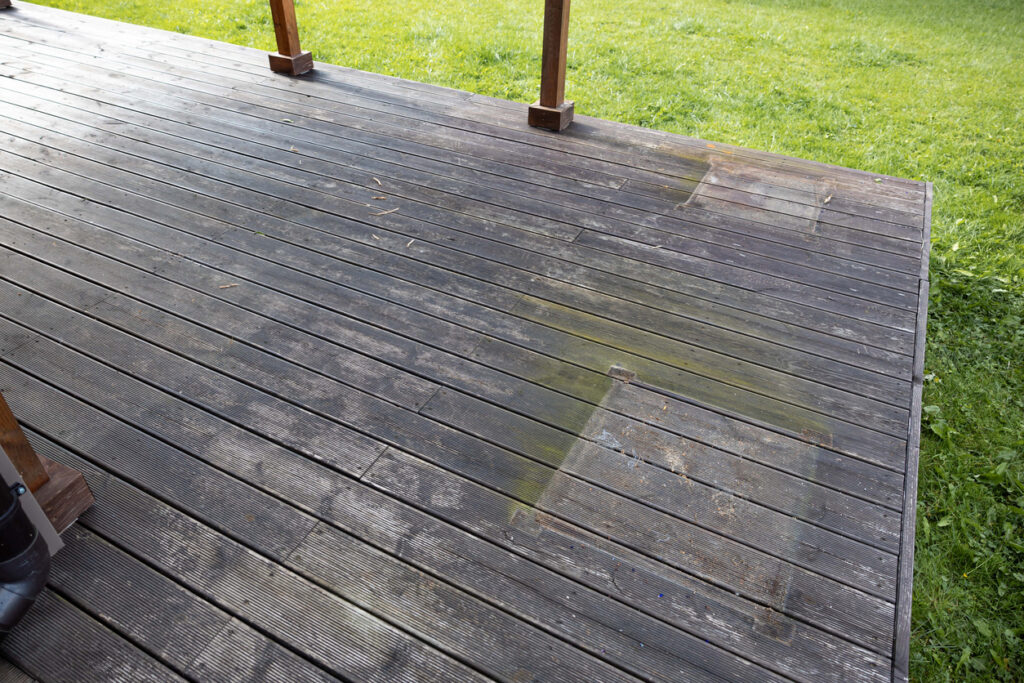
Many homeowners notice their composite deck doesn’t look quite the same a few summers after installation. Exposure to sunlight can cause boards to lighten or shift in color. Even top-tier composite products are affected, especially in areas with strong sun like Sacramento.
Manufacturers often promote UV resistance, but there’s a real difference between budget-friendly and premium boards. Composite decks come in a range of quality levels, and color retention varies. Here’s a quick summary of what to expect after five years outdoors:
| Composite Decking Type | Color Retention (5 Years) |
|---|---|
| Entry Level | Noticeable fading; color often shifts 10-20% |
| Mid-Range | Moderate fading; slight color change, usually 5-10% |
| Premium | Minimal fading; color stays close to original |
One local homeowner shared that their deck changed from deep brown to a much lighter shade in just a few years. Some people see these changes as adding character, while others find them disappointing. If you want to maintain the original look as long as possible, keep this advice in mind:
“For decks in full sun, choose lighter colors. Darker shades tend to fade faster. Regularly sweeping away dirt and pollen can also help slow down color changes.”
Staining and Cleaning Challenges
Stains on composite decking catch many homeowners off guard. These boards may resist rot and splintering, but they are not immune to spills or marks from daily use. After a few barbecues or a season of falling leaves, even the newest deck will show some signs of life’s messes.
Everyday Messes
Common stains come from things like coffee, mud, or ketchup. These are usually easy to handle. Most marks wipe up with warm, soapy water and a soft brush. If you catch a spill right away, it often won’t leave a trace. I’ve seen worried families breathe a sigh of relief after a quick cleanup. There’s no need for strong cleaners, and most routine messes come off with gentle scrubbing. Composite boards are easier to manage than wood in these cases, though they still need attention.
Deep Stains and Remedies
Some stains are tougher. Grease from a dropped burger, smashed berries, or a pile of wet leaves left too long can cause stubborn discoloration. Homeowners sometimes get frustrated after several cleaning attempts don’t work. When stains set in, regular soap won’t be enough. You might need a deck cleaner made for composites, extra scrubbing, or sometimes even light sanding. Sanding can change how the board looks, so use caution. Some deep marks may never fully disappear and end up as part of the deck’s character.
Composite decking is easier to clean than traditional wood, but stains still happen. Quick action helps. Wipe up spills, sweep off debris, and wash the boards now and then. If a tough stain appears, don’t stress. Most can be improved, and a few may just become part of your deck’s story. Living outdoors brings a little mess, but most issues are manageable with the right approach.
Heat Retention in Hot Weather
Have you ever stepped onto a composite deck in the middle of summer? It can feel almost as hot as the sidewalk. Composite boards tend to soak up the sun and stay warm for hours, especially if you choose darker colors. In areas with strong sunlight, like Sacramento, homeowners sometimes call after finding their new deck is uncomfortable to walk on in the afternoon. Wood decking usually stays cooler, even older redwood planks don’t get as hot as most composite options. If you spend a lot of time outside with bare feet, children, or pets, this is something to consider before making your choice.
Luckily, there are ways to make a composite deck more comfortable on hot days. Here are some tips I often share with homeowners:
- Choose lighter-colored boards. Lighter shades reflect more sunlight and stay cooler.
- Create shade with pergolas, umbrellas, or even a few trees.
- Use outdoor rugs or mats in areas that get the most sun.
- Rinse the deck with water before gatherings to cool it down quickly.
- Look for brands that mention heat-reflective features, though results can vary.
Some people don’t mind a warm deck, especially if they use it mostly in the evenings or if their yard is shady. But if your outdoor space gets a lot of direct sun and you plan to be barefoot often, keep in mind that composite decking can get warmer than you might expect. Planning ahead can help you enjoy your deck all summer long.
Comparing Longevity to Wood Decks
Many Sacramento homeowners are drawn to composite decking because of its reputation for durability. The promise of boards that outlast regular paint jobs is appealing, especially if you have spent years sanding or sealing wood planks. However, expecting composite to last forever is a stretch – even the best boards have limits.
Composite decking resists rot, termites, and splintering. In ideal conditions, these boards can look good for 25 to 30 years before showing their age. Still, they are not free from issues like fading, stains, or scratches. Wood decking, such as redwood or cedar, does need more upkeep. If you want to compare your options, check out this guide on the best wood types for decks. With wood, you can usually sand out surface stains or swap a single damaged board. Composite repairs, on the other hand, can be more challenging and sometimes costlier.
Natural wood decks, when cared for each year, often last 20 to 40 years or even longer. Skip maintenance, though, and problems like rot set in fast. If you want details, this article on how long does a wood deck last covers everything you need to know. Composite decking stands out for easy care and steady appearance. Wood, however, gives you more flexibility to fix problems and refresh your deck over time. Choosing between them depends on whether you prefer minimal upkeep or the ability to restore and update as the years pass.
Deciding if Composite Drawbacks Are Worth It
By now, you’ve seen that composite decking has its share of benefits and also some real downsides. Many homeowners are drawn in by the promise of less maintenance. Still, it’s easy to overlook daily details that can affect your satisfaction in the long run. Decks are personal spaces, and what works for one family might frustrate another.
Here are a few questions to help you decide if composite decking’s trade-offs fit your needs:
- Will changing colors over time bother you, or do you prefer a deck that looks the same year after year?
- Are the risk of stains or scratches a dealbreaker, or can you live with some marks?
- Will bare feet be common, especially in the summer heat? Or does your deck stay shaded most of the day?
- Is a little upkeep okay, or do you want a space you can almost forget about?
- How important is lifespan compared to traditional wood? What are your priorities?
Advice from a Sacramento deck contractor: “If possible, visit a few decks on a hot day and see what they’re like. Ask neighbors about their experience. The small things can matter more than you expect, so try before you buy.”
There isn’t a single right answer. Some people would rather deal with minor fading or warmth than handle splinters and rot every year. Others prefer the look and feel of wood, even if it means more effort. The best choice is the one that matches your habits, your family’s needs, and your local climate. Be clear about what matters most to you, and you’ll be much happier with your new deck.
