

How Long Does a Wood Deck Last
Many homeowners wonder, “How long will my wood deck really last?” It’s a practical question. When you look out at your backyard, you want to know if your deck will hold up for family gatherings, relaxing evenings, and years of use. Nobody wants a deck that starts falling apart too soon. Knowing what to expect helps you plan and feel confident in your investment.
The truth is, the lifespan of a wood deck can vary a lot. Three main factors play a role: the type of wood, how well you care for it, and how the deck was built. Some decks last twenty years or more with regular upkeep. Others might need repairs or replacement much sooner if they are ignored or built with cheaper materials and poor construction methods.
Imagine a homeowner named Mark. He just moved into a house with an old cedar deck that looks weathered. Mark’s first question is whether he should fix up what’s there or build a new deck. This is where your choices matter. The wood you select, the way you seal and protect it, and even the screws you use will all affect how long your deck stays safe and attractive. As you read further, you’ll learn how each of these decisions makes a difference. With the right approach, your deck can look good and stay sturdy for years to come.
Typical Lifespan of Wood Decks
Many homeowners are surprised to hear that most wood decks last somewhere between 10 and 20 years. It might seem short, especially if you know someone whose deck is still standing strong after 25 years. In rare cases, a wood deck can last that long or longer, but it’s usually because the owner keeps up with regular maintenance and the deck enjoys ideal conditions.
The reason for this big range comes down to several factors. Local weather, like Sacramento’s hot summers and rainy winters, can wear down wood quickly. Sun exposure, frequent use, and even the original construction method all play a part. For example, I’ve seen decks in neighborhoods like Citrus Heights need replacement after just 12 years due to poor drainage. Meanwhile, a deck in Folsom managed to reach 20 years because it was shaded and sealed every summer.
It’s also important to know that not every part of a deck ages at the same rate. Deck boards, which take the most punishment from the weather and foot traffic, usually show signs of wear first. You might notice splinters, warping, or soft spots. The frame underneath, made up of joists and beams, can sometimes stay solid for several years after the boards need replacing, as long as water hasn’t been able to sit and cause damage. Sometimes only the surface boards need to be replaced, while other times rot in the frame calls for a full rebuild. In the end, the lifespan of your wood deck depends on the wood, the weather, and how much care you put in over the years.
How Wood Type Impacts Deck Longevity
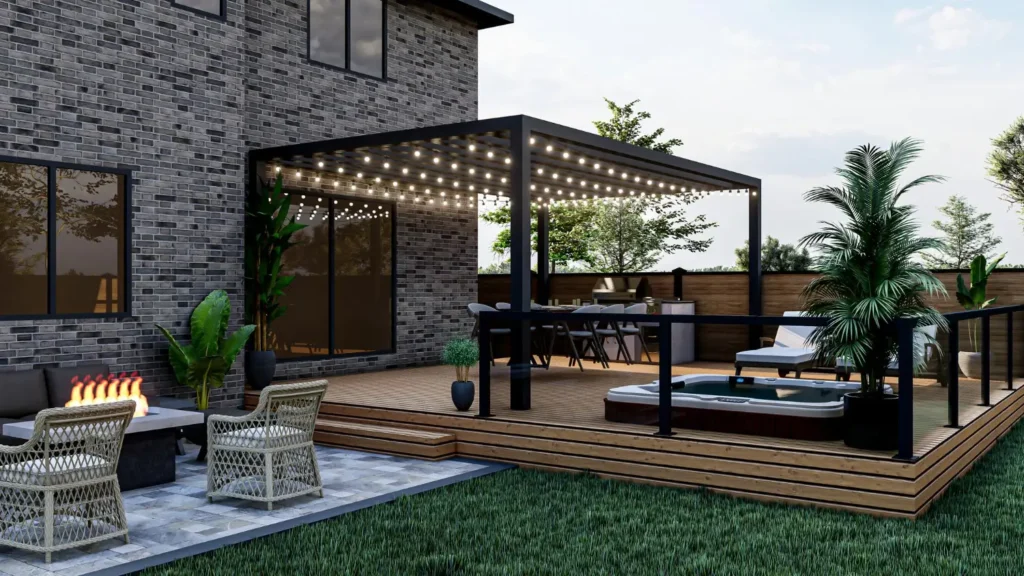
The type of wood you choose for your deck really matters. It affects how long your deck will last, how much work you’ll need to put in, and how the boards change over time. After years of repairing decks around Sacramento, I’ve seen certain woods hold up much better than others. Each wood comes with its own strengths and trade-offs. Here’s a closer look at the main types you’ll find: pressure-treated pine, cedar, redwood, and hardwoods like ipe and mahogany.
Pressure-Treated Wood
Pressure-treated wood is a popular choice because it’s affordable and easy to find. The chemical treatment helps protect it from insects and rot, which means it can last about 10 to 15 years with regular sealing and care. On the downside, it doesn’t have the most eye-catching grain and can sometimes warp if it dries out too much. For homeowners on a budget or those who don’t plan to stay long-term, pressure-treated wood covers the basics without breaking the bank.
Cedar and Redwood
Cedar and redwood stand out for their natural beauty and scent. Both have oils that help guard against decay and pests. With steady maintenance, these decks can last 15 to 20 years. I’ve worked on redwood decks in Roseville that looked great even after twenty years with just a good cleaning and a new coat of stain. However, these woods are softer, so they can scratch or dent if you’re hard on your deck. Still, their rich colors and classic appearance make them a favorite for many homeowners.
Hardwoods and Lifespan
Hardwoods like ipe and mahogany are known for lasting the longest. Ipe, in particular, is extremely dense and tough against rot and weather. With proper care, an ipe deck can last 30 years or more. Mahogany offers similar durability and a deep, rich look. These woods cost more upfront, both in materials and installation, but their long life can make them worth it. I’ve seen ipe decks in Sacramento that still look strong after decades of use. If you want a deck that will stand the test of time and need less frequent repairs, hardwoods are the top choice.
Quick Checklist: Choosing Deck Wood for Longevity
- Will you keep up with regular maintenance (cleaning and sealing)?
- Do you prefer a classic or unique wood look?
- Is higher upfront cost worth longer life to you?
- What is your local climate like (humid, dry, mixed)?
- How much use will your deck get?
The wood you pick does more than just set the style. It affects how long your deck will stay safe and beautiful, how much you’ll spend over the years, and how much you enjoy using it. Whether you choose cedar for its charm, pressure-treated pine for savings, or hardwoods for lasting power, your decision shapes the future of your deck. From what I’ve seen, putting thought into the right wood is an investment that pays off with every season.
Wood Decks Versus Other Decking Materials
Wood decks have a familiar, classic appeal. Many homeowners appreciate the natural look and feel of timber. But anyone who has spent a hot Sacramento afternoon sanding, sealing, or dealing with splinters might start to wonder if there is a better alternative. Composite and PVC decking have become popular choices for this reason. People often ask if these materials actually last longer than wood. In most cases, they do. Still, each option has its own advantages and drawbacks.
A well-maintained wood deck can last around 10 to 20 years. With ideal care and the right conditions, some may reach 25 years. Composite and PVC decks, however, frequently last 25 to 30 years or even longer. They also need much less maintenance. For example, swapping out an old, weathered redwood deck for composite boards can mean less time spent on upkeep and more time enjoying your space. However, composite and PVC do not fully recreate the look and texture of real wood. Some homeowners love the convenience, while others prefer the genuine character of wood.
- Maintenance: Wood requires regular sealing, staining, and cleaning. Composite and PVC mostly need occasional washing.
- Lifespan: Wood decks usually last 10–20 years. Composites often reach 25–30 years, and PVC can last even longer.
- Appearance: Wood provides a natural look. Composites have improved and some now look quite realistic.
- Durability: Composite and PVC resist termites, rot, and weather much better than wood.
- Cost: Wood costs less at first but may require more money for upkeep and repairs over the years.
Choosing between these materials comes down to your priorities. Do you want a classic look, fewer chores, or lower long-term costs? Engineered decking is a smart pick if you want durability and easy maintenance. But if you enjoy the unique feel of wood, that may be worth the extra care. The best choice is the one that fits your needs, budget, and how much maintenance you are willing to do over the years.
Factors That Impact Deck Durability
Several important factors decide how long a wood deck lasts. Over the years in Sacramento, I’ve watched some decks hold up for decades, while others start falling apart after only a few seasons. What makes the difference? Mostly the weather, sun exposure, moisture, daily use, and how well the deck was built in the first place.
The local climate puts wood to the test. In Sacramento, hot dry summers can dry out deck boards, causing them to crack or splinter. Then come the damp winters, which soak the wood and can lead to rot if the deck isn’t protected. Sometimes, one side of a deck ages much faster simply because it gets more afternoon sun. Shady decks can avoid some sun damage, but they might stay damp longer and become a breeding ground for mold and mildew. Every yard has its own challenges.
Moisture is a major threat. Water that sits on or under your deck will speed up decay. Even treated wood can rot if water collects around the posts or underneath the frame. I’ve checked decks that looked good on top but had a rotting structure below because of poor drainage. How much you use your deck also matters. Heavy foot traffic, moving furniture, and frequent parties all leave their mark, causing boards to wear out faster.
Pro tip from a deck contractor: “Keep your deck clean and make sure water drains away quickly. Wood can’t last if it stays wet for long periods.” If you’re unsure how to protect your deck, reaching out to a Deck contractor in Sacramento is a smart first step.
Finally, the quality of the original construction matters more than most people realize. If the builder used cheap materials, skipped flashing, or didn’t allow for good airflow, problems will show up sooner. Even the best wood can fail early if the basics aren’t done right. In the end, climate, moisture, sun, everyday use, and proper building techniques all work together to decide how long your deck will last. Get these right, and you’ll enjoy your deck for many years.
Where Decks Fail First
After years spent inspecting decks around Sacramento and Roseville, certain patterns have become clear. From above, a wood deck may look sturdy. But the most common problems usually start out of sight, underneath the surface. The top boards take plenty of wear from the weather. Sun and rain eventually make them crack, splinter, or curl. Still, the parts you can’t see often break down first. Joists, beams, and especially the ledger board (the board that attaches the deck to your house) are the real trouble spots.
Moisture is the real enemy. It collects in gaps between boards, around nails and screws, or under piles of leaves. If air can’t flow well under the deck, water gets trapped and the wood stays damp. That’s when fungi start to grow and rot sets in. Ledger boards are especially risky because they often stay shaded and moist, pressed right up against your home. Once rot grabs hold, it can move from the ledger into the joists and beams. Boards that once felt strong can turn soft and weak before you even notice.
One project last summer stands out. The homeowner thought the problem was just a few damaged boards on top. But after taking a closer look, we found the joists underneath were badly rotted. Luckily, the beams and ledger were still in good shape, so we replaced only what was needed. In other cases, I’ve seen the ledger board rot away completely and cause the whole deck to collapse. The lesson? Check your deck often, especially the spots you can’t see from above. Catching small issues early can save you from a much bigger repair down the line.
Warning Signs Your Deck Is Aging
Most wood decks don’t fail without warning. Long before any serious problems show up, your deck will give hints that it’s getting older. If you pay attention to these warning signs, you can fix small issues before they turn into big, expensive problems. Over time, decks show their age in different ways. Sometimes it’s a soft step. Sometimes it’s a loose board. All of these are signals that your deck needs attention.
- Warped Boards: Boards that curl, twist, or won’t lay flat are common after years of moisture exposure. Warping makes your deck less safe and can cause tripping.
- Cracks and Splinters: While small cracks are normal, wide splits or rough splinters mean the wood is drying out or starting to rot.
- Soft or Bouncy Areas: If a section of your deck feels soft or spongy underfoot, especially near posts or where boards meet the house, the framing may be rotting. This is a safety concern and should be fixed soon.
- Mold or Mildew: Black spots, green patches, or a slimy surface are signs of moisture problems. Mold and mildew break down wood quickly and look unsightly.
- Loose or Rusty Fasteners: If nails or screws are popping up, or you see rust, it’s a sign the wood can’t hold them anymore. This often means deep-down decay.
- Frequent Repairs: If you’re repairing the same areas again and again, or the cost of fixing issues is adding up, it may be time to consider a full replacement instead of another repair.
If your deck shows several of these signs, don’t ignore them. Acting early can save money and make your outdoor space safer. Most major deck problems start small, but they grow fast if left unchecked.
Maximizing Your Deck’s Lifespan
Keeping your wood deck in good shape doesn’t have to be complicated or time-consuming. Small, consistent efforts can make a big difference in how long your deck lasts. After years of working on decks, I’ve seen that those who stay on top of maintenance enjoy their outdoor spaces longer and with fewer problems.
Start with a full inspection each spring. Check for loose or warped boards, shaky railings, or nails starting to rise. Give the whole surface a good sweep, then clean it with a deck cleaner or a mild soap solution to remove dirt and mildew. Once it’s clean and dry, apply a fresh coat of sealant or stain. If you notice the water no longer beads up on the wood, it’s time to reapply. Also, look out for clogged gaps, drainage issues, or plants growing between boards. Taking care of these early can prevent bigger repairs later on.
- Spring: Inspect for damage, tighten fasteners, sweep, clean, and check for mold or rot.
- Summer: Clean up spills, watch for sun fading or splintering, and trim back any plants nearby.
- Fall: Remove leaves, clear debris from gaps, check railings and steps, and touch up sealant if needed.
- Winter: Brush off snow right away (if you get any), don’t use harsh salt, and try to keep the surface dry.
Following these steps each season helps your deck last longer and keeps repair costs down. Decks that get regular care often last well beyond 20 years and avoid expensive surprises. While maintenance may not be exciting, it’s a smart way to protect your investment and enjoy your outdoor space for years to come.
Best Building Practices for Longer Deck Life
Choosing Quality Materials
The type of lumber you use matters from day one. Using low-quality boards often leads to problems like warping, splitting, or posts that don’t hold up. Based on years of experience repairing decks in Sacramento, I can say that straight, dense boards without large knots give you the best results. Whether you pick pressure-treated pine or invest in hardwoods like ipe, starting with better wood will help your deck handle sun, rain, and heavy foot traffic for many years.
Waterproofing and Hardware
Even top-grade wood needs protection. Flashing is essential where the deck meets your house. It stops water from getting in and causing rot around the ledger board. Joist tape is another smart addition – put it on top of joists before laying the deck boards to help block moisture in those hidden spots. Fasteners are important, too. Standard screws and nails can rust quickly and stain your boards. Stainless steel or coated fasteners are a better choice. They keep everything secure and resist rust for much longer.
Drainage and Ventilation
Poor drainage can shorten a deck’s life more than almost anything else. Leave small gaps (about 1/8 inch) between deck boards to let rainwater drain away. Make sure the ground underneath your deck is dry and not soggy. If possible, build the deck slightly above ground level. This creates airflow under the boards, which helps them dry out after rain and keeps mold and rot from taking hold.
People often overlook the “invisible” details – flashing, hardware, and airflow – but these are what help a deck last for years. Careful planning and good materials at the start can mean the difference between a short-term fix and a deck that holds up through many seasons. With a little extra effort now, you’ll enjoy your deck for much longer every time you step outside.
Final Thoughts on Wood Deck Longevity
After years of building and repairing decks in Sacramento, I’ve seen how much lifespan can differ. Most wood decks last 10 to 20 years. Some last even longer, reaching 25 years or more, but only if they get regular care and start with solid construction. On the other hand, decks without maintenance or built with poor materials can fail much sooner. The main factors that shape your deck’s future are maintenance, wood type, and construction quality. Skip any one of these, and you may be replacing boards before you planned.
Selecting the right wood matters just as much as regular upkeep. Pressure-treated pine is affordable, but it won’t last as long as ipe or other hardwoods, especially if seasonal cleaning and sealing are skipped. Good building methods, like using proper flashing, corrosion-resistant screws, and allowing for airflow, help prevent problems down the road. If you want less work and a longer-lasting surface, consider composite or PVC decking, even if you love the look of real wood. The key is to balance looks, durability, and cost in a way that suits your home and how you live. As I often tell homeowners: “A little care means more years of memories on your deck.”
