

Fence repair
Fences are constantly exposed to moisture, soil contact, and shifting ground, which makes deterioration inevitable over time. Leaning sections, loose panels, broken rails, and rotting posts are some of the most common problems homeowners encounter. This category focuses on explaining why fence issues develop and how proper repairs restore stability and appearance.
The articles here cover typical fence failures caused by post rot, inadequate footings, weather exposure, and aging fasteners. You’ll find guidance on how to spot early signs of trouble, such as movement after wind, gaps between panels, or posts that feel soft at the base. These issues often start small but can quickly affect entire fence runs if ignored.
We also discuss repair versus replacement decisions. In many situations, individual posts or sections can be repaired or rebuilt without replacing the entire fence. In other cases, widespread rot or structural weakness makes partial repairs impractical. This category explains how those determinations are usually made and what a proper fence repair should include.
If your fence no longer stands straight, feels unstable, or shows visible decay, the content here is meant to help you understand what needs attention and why. The focus is on durability and long-term fixes, not quick patches that fail again.
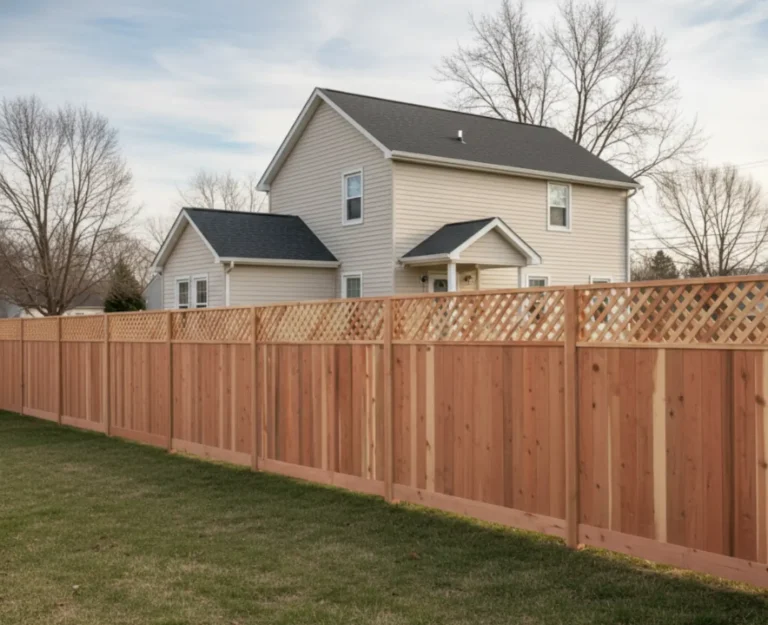
Creative solutions to raise your fence cheaply
Ever feel like your backyard is on display for the whole neighborhood? You’re not the only one. Many homeowners want a taller fence for three…
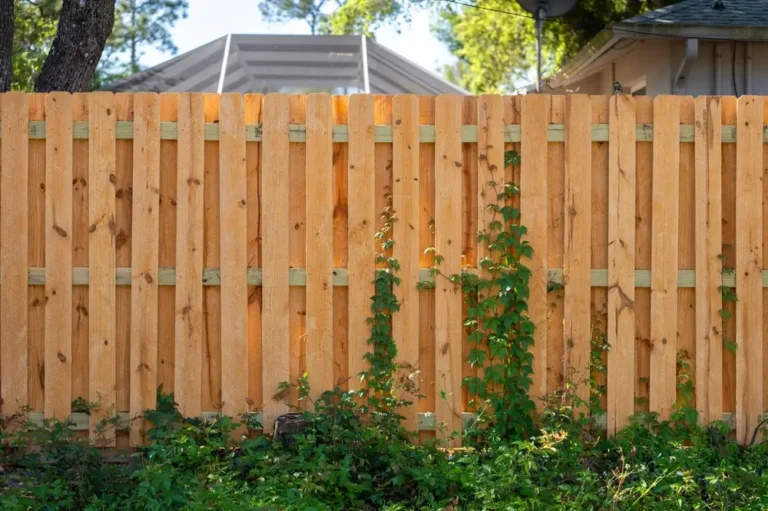
Best Wood Type for Fencing
Have you ever noticed how a fence can make or break the look of a house? The wood you select shapes your home’s curb appeal.…
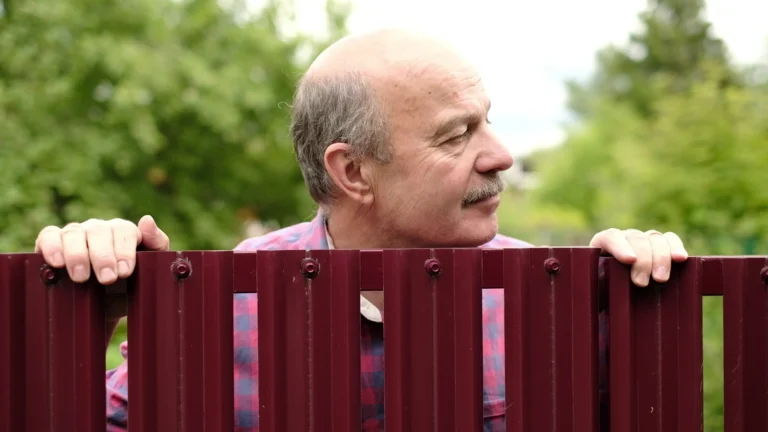
Understanding California Good Neighbor Fence Law
What is California Good Neighbor Fence Law? If you’ve ever tried to replace a fence in California, you know how quickly a simple project can…
